

Chris Wright, Secretary of Energy, predicts that gasoline prices will fall, but not until 2027
Wright maintained that, although prices have begun to stabilize, uncertainty persists until the conflict in the Middle East is resolved
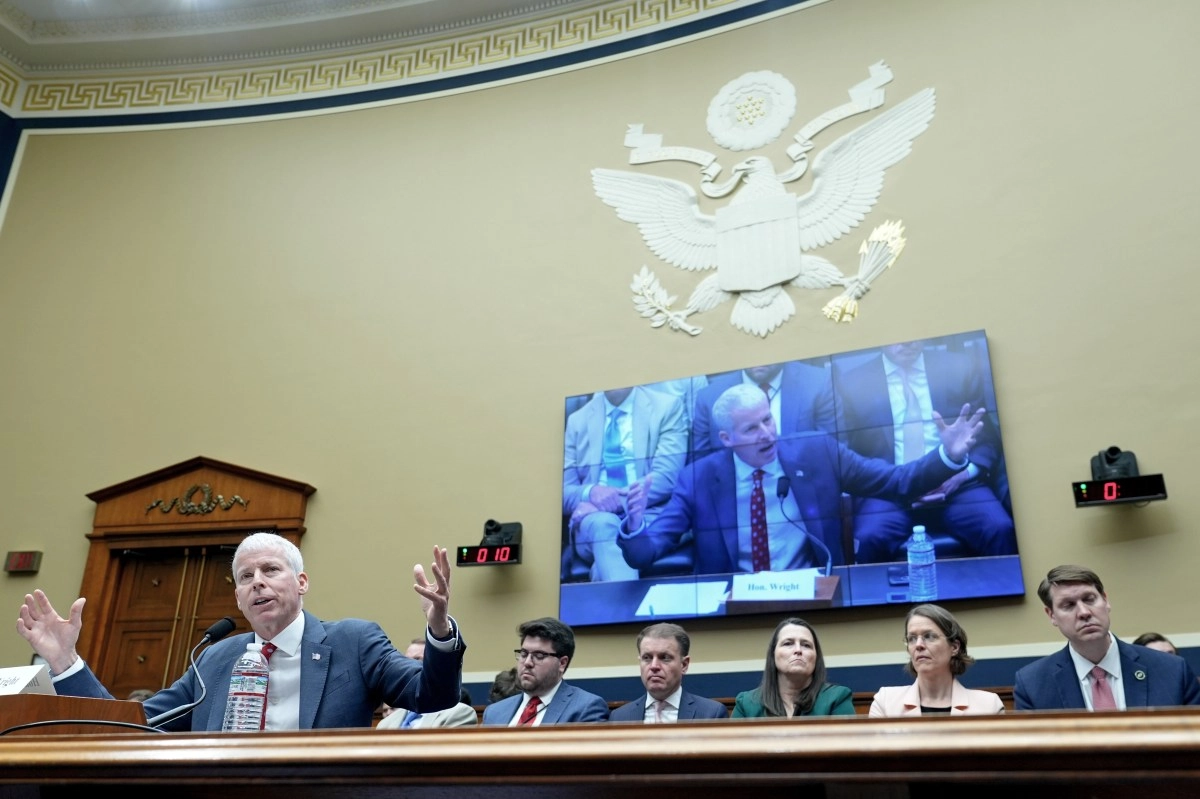

U.S. Energy Secretary Chris Wright said that gasoline prices in the country may have recently peaked, but warned that they are not expected to fall below $3 per gallon sustainably until 2027, in a context marked by tensions Geopolitics and global energy disruptions.
During an interview on CNN's State of the Union, the official explained that the rise in fuel prices is largely due to the war in Iran and the closure of the strategic Strait of Hormuz, through which approximately 20% of the world's oil passes.
According to data from the American Automobile Association, the national average price of gasoline is around $4 per gallon, a significant increase from the approximately $2.90 recorded before the start of the conflict in late February.
Wright maintained that, although prices have begun to stabilize after reaching a recent peak, uncertainty persists until the conflict in the Middle East is resolved. "Prices have likely peaked and will begin to decline slowly in the coming weeks," he stated.
The official also noted that the reopening of the Strait of Hormuz would be key to easing pressure on energy markets. However, he acknowledged that the area is currently “not secure” and that any solution will depend on diplomatic and military progress. Meanwhile, Treasury Secretary Scott Bessent has estimated that prices could approach $3 per gallon again by next summer, although Wright was more cautious and suggested a longer timeframe. Energy Debate and Domestic Policy: The Energy Secretary's statements come amid a broader debate over the energy policy of President Donald Trump's administration, which has prioritized boosting fossil fuels and domestic oil production.Wright defended this strategy and questioned the effectiveness of renewable energies in dealing with crises like the current one. According to him, despite global investments in green energy over the past few decades, these have not significantly replaced traditional fuels and, in his opinion, have contributed to rising costs. In this context, the Environmental Protection Agency has advanced a deregulation policy aimed at facilitating domestic energy production, considered by the White House as a pillar for achieving energy independence. Global Repercussions and Inflation: The increase in fuel prices has had a direct impact on US inflation, which reached 3.3% year-on-year in March, driven mainly by the rise in energy costs. Internationally, countries dependent on oil imports also face inflationary pressures, demonstrating the sensitivity of the global market to supply disruptions. While diplomatic efforts to end the conflict with Iran continue, Washington maintains pressure measures, including a naval blockade, with the expectation of stabilizing the region and, consequently, prices. of energy.
For now, the prospect of cheaper gasoline in the United States remains tied to geopolitical factors that, according to authorities, could take years to resolve.