

Followers and detractors of Charlie Kirk debate the controversial political legacy of the murdered conservative activist
Kirk attracted many young people to conservative politics and its traditional values, but offended many others with his provocative speech.
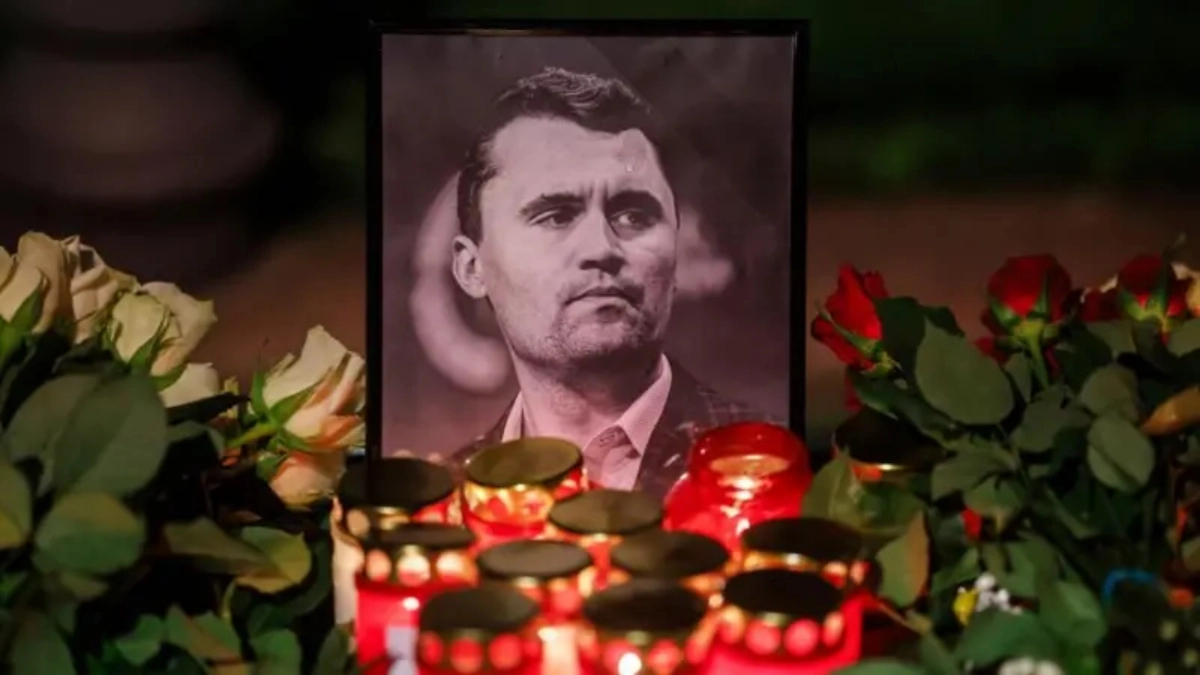

The sudden and violent death of American activist Charlie Kirk, who sparked a youth movement and became a celebrity among his followers, has sparked an intense debate about his political legacy.
His young followers appreciated his outspokenness and Christian and conservative values ??for which the 31-year-old activist campaigned.
Speaking to the BBC, many wept as they remembered a man who listened to them and understood their concerns.
His views were polarizing on college campuses where he often led major events.
His provocative speeches also attracted many opponents with whom he often debated.
Kirk was a staunch defender of the right to bear arms, vehemently opposed abortion, criticized transgender rights, and often spread false information about the COVID-19 virus.
He wasn't shy about expressing his opinions, and neither were his detractors.
Both his supporters and opponents were shocked when news broke that he had been killed by a single gunshot during a debate at a university in the state of Utah.
"I am sad and distraught," said the influencer left-wing Dean Withers, 21, known for engaging in heated political debates with conservative activists, including Charlie Kirk.
In an emotional video posted to his millions of followers, Withers said gun violence “is always disgusting, vile, and abhorrent.”
Many of the people paying tribute to him online were reacting to disturbing comments that suggested Kirk deserved to be shot because of his stance on gun rights.
Kirk once maintained that more people should own guns and that some deaths in shootings were inevitable.
Such comments spark a larger conversation in the wake of his death.
While tributes were paid to Kirk and many expressed their condolences to his wife and children, it was also emphasized that, regardless of one’s views, political violence can never be justified.
Withers, for example, explained that he never agreed with Kirk’s ideas, but emphasized that the shooting should never have happened.
“It should come as no surprise that I think Charlie Kirk was a bad person; I’ve made that very clear over the last year,” he said. “But does that mean I think he deserved to lose his life? No.”
Fostering and participating in vigorous, open debates was central to Kirk’s professional success and personal worldview.
“When people stop talking, violence ensues,” Kirk notes in a video that has been widely shared since his death.
“When people stop talking,” he continues, “that’s when you get into civil war, because you start to think the other side is so evil, and you lose your humanity.”
Christian Faith and Anti-Feminism
Adam Saar, a student in Cleveland, Ohio, told the BBC that there was profound shock on his college campus over what happened.
“Most of the people I’ve spoken to don’t agree with him politically, but we’re all very disturbed by what happened,” he added.
Beyond the shock and the tributes, some have also been debating Kirk's legacy as one of America's leading political activists.
Many are struggling with the impact of a man who drew fervent crowds, attracted many young people to politics and conservative Christian thought, but at the same time offended others with his provocative views.
Kirk spoke about his family – his wife and two children – and unapologetically defended his evangelical Christianity.
“He was one of the key people who helped embolden me to my Christian faith,” Florida influencer Savanna Stone told the BBC.
The 20-year-old, who married two years ago, describes herself as a tradwife, a traditional wife who adopts stereotypical gender roles with her husband, something Kirk believed in.
Stone said she was nervous about speaking publicly about her faith and traditional values.
“Feminism has really been damaging to the family traditional and for women,” she said, adding that she has received heavy criticism for speaking out about her beliefs.
“Charlie Kirk made me think more critically about feminism.”
“No one should be killed for expressing their views.”
Kirk gained many of her loyal followers at the debates she hosted.
There, surrounded by other young people from all political spectrums, they could hear his ideas clearly, in an environment that often produced explosive viral videos of his lines and comebacks.
Ellie, a 16-year-old from Brooklyn, New York, told the BBC that she and her friends often “got angry” when they watched his videos.
“When we heard about his death, I wanted to know if I had misjudged him, so I looked him up on YouTube again,” she said.
“But I found that the way he spoke in debates didn’t generate genuine conversation, especially when he was debating women. He tended to speak very quickly and over them,” she said.
“Everyone I knew was horrified by the shooting of him,” the teenager added. “No one should be killed for expressing their ideas.”
Julia Pierce, who has been a member of Kirk’s organization, Turning Point USA, for more than 10 years, said he would be remembered for giving young conservatives in the United States the confidence to be themselves.
“It used to be that it was popular for young people to be Democrats. But he made it popular to be a Trump supporter, wear a MAGA hat, and live a life of traditional family values,” she told the BBC.
Activist Chandler Crump, 20, who met Kirk when he was 14 and has attended every Turning Point national conference since, shares that sentiment.
“We were young Black leaders wearing MAGA hats, and he would say it didn’t matter if you were Black or white,” she recalled.
“Politicians often patronize us, but he didn’t. He paid attention. That’s why young people listened to him.”
“Political violence affects us all”
Kirk’s stance on gay and transgender rights was particularly extreme.
He opposed same-sex marriage and affirmative care for transgender people. He frequently cited his Christian faith on these issues.
“I believe marriage is between a man and a woman,” he wrote in 2019.
“Gay people should also be welcomed into the conservative movement. As Christians, the calling is to love everyone,” he said.
But last month, Kirk, who was an outspoken opponent of LGBT+ Pride Month and its celebrations, drew criticism for writing on X: “It should be legal to burn a rainbow or [Black Lives Matter] flag in public.”
Activist Josh Helfgott claimed Kirk was “the loudest homophobe in America and that his words caused immense harm to LGBTQ+ people.”
Referring to one of Kirk’s podcast episodes where he called for a ban on gender equality, Helfgott said his speech was “a dangerous and real attack on the safety and dignity of LGBTQ+ people.”
Whether or not they agree with Kirk, the young people the BBC spoke to said his murder marked a turning point that potentially jeopardized free speech.
“This kind of political violence affects all of us, not just the people you disagree with,” said Tilly Middlehurst, a Cambridge University student whose debate with Kirk in May went viral.
“This is not a step in the right direction. This is not how you fight fascism,” she added. “Politics shouldn’t be like this.”