

First autonomous Teslas are already circulating in Austin
Tesla begins testing its first driverless vehicles in Austin, amid broken promises, postponed dates, and sky-high expectations
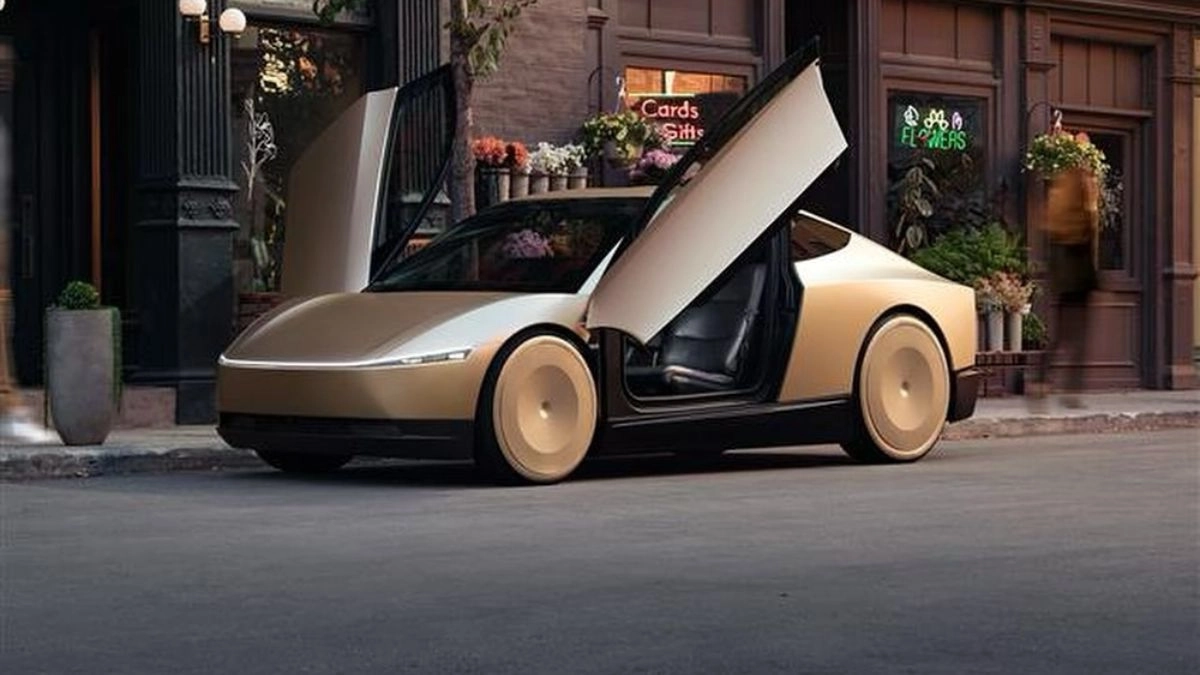

On the streets of Austin, Texas, we are already beginning to see the future that Elon Musk has been promising for years: Tesla cars with no one at the wheel.
Although the full robotaxis service is not yet available, some vehicles are already rolling experimentally, marking a symbolic but crucial step in Tesla's ambitious plan to lead the autonomous driving market.
You can read: BMW will adjust prices on almost its entire range starting in July
This initial deployment occurs amid great expectation, but also with some skepticism. And while Musk insists that Tesla will be the first company to offer driverless transportation on a mass scale, the roadmap has been full of delays.
Postponements and a lot of waiting
Initially announced for June 12, the launch has been postponed to June 22, although that date is also in doubt. At the time, Musk said that they were being "super paranoid about safety, so the date could change."
On that same occasion, Musk confirmed that, at least during the start of the service, Tesla will have human support. Technically, there won't be drivers, but there will be remote or in-vehicle supervisors as a temporary measure to ensure safe operation. Tesla has been promising its customers a true autonomous driving experience since 2016. The Full Self Driving (FSD) package, which costs over $7,000, has been touted as "the world's most advanced driver assistance system." However, various regulatory bodies, such as Euro NCAP, have denied this claim. The European organization even went further, declaring that "consumers are being misled." Despite the criticism, Tesla has not changed its tune. On the contrary, Elon Musk has doubled down on his commitment to full autonomy and recently scrapped plans to develop a more affordable electric vehicle platform. The so-called "Model 2,"which promised to be an affordable car for the masses, has been postponed indefinitely. All of the company's energy is now focused on developing the robotaxi, a fully autonomous vehicle that forms the basis of an urban transportation network. Musk stated that the goal is to have at least 1,000,000 autonomous vehicles on the road in just one year, a figure as ambitious as it is questionable. The technical and regulatory feasibility of such a deployment remains one of the main sticking points. Furthermore, Tesla has opted for an unusually solitary strategy: it has rejected collaborations with companies like Uber or Lyft and plans to develop the entire transportation ecosystem in-house, from the vehicle to the user application.
The reality is that, although the service has not yet been officially launched, some vehicles have already been detected circulating in the city of Austin.
What can we really expect?
Images published by users and specialized media show a black Model Y moving without a visible driver, followed by another white Model Y with two operators on board. Although these are tests, the scene is indicative that Tesla is already fine-tuning its system in real-life conditions.
According to sources close to the project, the initial deployment will have between 10 and 20 units, which will operate in a restricted geographical area. This type of deployment, known as geofencing, limits risks while gathering information essential to the system's operation.
As the system becomes more established, Tesla plans to expand the coverage area and progressively increase the number of units.
One of the most debated elements of Tesla's system has been the lack of LiDAR sensors, which other manufacturers consider essential for autonomous navigation.
Tesla, on the other hand, has opted for an approach based exclusively on cameras and neural networks. This system, known as Tesla Vision, has been the subject of controversy, although Musk insists it is the right long-term solution.
What has generated consensus is that the company maintains its plans with the utmost confidentiality. Even the name of the service remains a mystery.
Despite being popularly called "Robotaxi," US authorities have prohibited Tesla from registering that term as its own trademark. So far, the company hasn't offered an official alternative.
At this point, not even Tesla seems to know for sure when its autonomous vehicle network will officially launch. But one thing is clear: the time is coming.
All of the company's energy is now focused on developing the robotaxi, a fully autonomous vehicle that forms the basis of an urban transportation network. Musk stated that the goal is to have at least 1,000,000 autonomous vehicles on the road in just one year, a figure as ambitious as it is questionable. The technical and regulatory feasibility of such a deployment remains one of the main points of contention. Furthermore, Tesla has opted for an unusually solitary strategy: it has rejected collaborations with companies like Uber or Lyft and plans to develop the entire transportation ecosystem in-house, from the vehicle to the user application.
The reality is that, although the service has not yet been officially launched, some vehicles have already been detected circulating in the city of Austin.
What can we really expect?
Images published by users and specialized media show a black Model Y moving without a visible driver, followed by another white Model Y with two operators on board. Although these are tests, the scene is indicative that Tesla is already fine-tuning its system in real-life conditions.
According to sources close to the project, the initial deployment will have between 10 and 20 units, which will operate in a restricted geographical area. This type of deployment, known as geofencing, limits risks while gathering information essential to the system's operation.
As the system becomes more established, Tesla plans to expand the coverage area and progressively increase the number of units.
One of the most debated elements of Tesla's system has been the lack of LiDAR sensors, which other manufacturers consider essential for autonomous navigation.
Tesla, on the other hand, has opted for an approach based exclusively on cameras and neural networks. This system, known as Tesla Vision, has been the subject of controversy, although Musk insists it is the right long-term solution.
What has generated consensus is that the company maintains its plans with the utmost confidentiality. Even the name of the service remains a mystery.
Despite being popularly called "Robotaxi," US authorities have prohibited Tesla from registering that term as its own trademark. So far, the company hasn't offered an official alternative.
At this point, not even Tesla seems to know for sure when its autonomous vehicle network will officially launch. But one thing is clear: the time is coming.
All of the company's energy is now focused on developing the robotaxi, a fully autonomous vehicle that forms the basis of an urban transportation network. Musk stated that the goal is to have at least 1,000,000 autonomous vehicles on the road in just one year, a figure as ambitious as it is questionable. The technical and regulatory feasibility of such a deployment remains one of the main points of contention. Furthermore, Tesla has opted for an unusually solitary strategy: it has rejected collaborations with companies like Uber or Lyft and plans to develop the entire transportation ecosystem in-house, from the vehicle to the user application.
The reality is that, although the service has not yet been officially launched, some vehicles have already been detected circulating in the city of Austin.
What can we really expect?
Images published by users and specialized media show a black Model Y moving without a visible driver, followed by another white Model Y with two operators on board. Although these are tests, the scene is indicative that Tesla is already fine-tuning its system in real-life conditions.
According to sources close to the project, the initial deployment will have between 10 and 20 units, which will operate in a restricted geographical area. This type of deployment, known as geofencing, limits risks while gathering information essential to the system's operation.
As the system becomes more established, Tesla plans to expand the coverage area and progressively increase the number of units.
One of the most debated elements of Tesla's system has been the lack of LiDAR sensors, which other manufacturers consider essential for autonomous navigation.
Tesla, on the other hand, has opted for an approach based exclusively on cameras and neural networks. This system, known as Tesla Vision, has been the subject of controversy, although Musk insists it is the right long-term solution.
What has generated consensus is that the company maintains its plans with the utmost confidentiality. Even the name of the service remains a mystery.
Despite being popularly called "Robotaxi," US authorities have prohibited Tesla from registering that term as its own trademark. So far, the company hasn't offered an official alternative.
At this point, not even Tesla seems to know for sure when its autonomous vehicle network will officially launch. But one thing is clear: the time is coming.
Musk assured that the goal is to have at least 1,000,000 autonomous vehicles on the road in just one year, a figure as ambitious as it is questionable.
The technical and regulatory feasibility of such a deployment remains one of the main points of contention. Furthermore, Tesla has opted for an unusually solitary strategy: it has rejected collaborations with companies such as Uber or Lyft and plans to develop the entire transportation ecosystem internally, from the vehicle to the user application.
The reality is that, although the service has not yet been officially launched, some vehicles have already been detected circulating in the city of Austin.
What can we really expect?
Images published by users and specialized media show a black Model Y moving without a visible driver, followed by another white Model Y with two operators on board. Although these are just tests, the scene is indicative that Tesla is already fine-tuning its system under real-world conditions.
According to sources close to the project, the initial deployment will involve between 10 and 20 units, which will operate in a restricted geographic area. This type of deployment, known as geofencing, limits risks while gathering information essential to the system's operation.
As the system becomes more established, Tesla plans to expand the coverage area and progressively increase the number of units.
One of the most debated elements of Tesla's system has been the lack of LiDAR sensors, which other manufacturers consider essential for autonomous navigation.
Tesla, on the other hand, has opted for an approach based exclusively on cameras and neural networks. This system, known as Tesla Vision, has been controversial, although Musk insists it is the right long-term solution.
What has generated consensus is that the company is keeping its plans strictly confidential. Even the service's name remains a mystery.
Despite its popular nickname "Robotaxi," U.S. authorities have banned Tesla from registering that term as a trademark. The company hasn't yet offered an official alternative.
At this point, not even Tesla seems to know for sure when its autonomous vehicle network will officially launch. But one thing is clear: the time is coming.
Musk assured that the goal is to have at least 1,000,000 autonomous vehicles on the road in just one year, a figure as ambitious as it is questionable.
The technical and regulatory feasibility of such a deployment remains one of the main points of contention. Furthermore, Tesla has opted for an unusually solitary strategy: it has rejected collaborations with companies such as Uber or Lyft and plans to develop the entire transportation ecosystem internally, from the vehicle to the user application.
The reality is that, although the service has not yet been officially launched, some vehicles have already been detected circulating in the city of Austin.
What can we really expect?
Images published by users and specialized media show a black Model Y moving without a visible driver, followed by another white Model Y with two operators on board. Although these are just tests, the scene is indicative that Tesla is already fine-tuning its system under real-world conditions.
According to sources close to the project, the initial deployment will involve between 10 and 20 units, which will operate in a restricted geographic area. This type of deployment, known as geofencing, limits risks while gathering information essential to the system's operation.
As the system becomes more established, Tesla plans to expand the coverage area and progressively increase the number of units.
One of the most debated elements of Tesla's system has been the lack of LiDAR sensors, which other manufacturers consider essential for autonomous navigation.
Tesla, on the other hand, has opted for an approach based exclusively on cameras and neural networks. This system, known as Tesla Vision, has been controversial, although Musk insists it is the right long-term solution.
What has generated consensus is that the company is keeping its plans strictly confidential. Even the service's name remains a mystery.
Despite its popular nickname "Robotaxi," U.S. authorities have banned Tesla from registering that term as a trademark. The company hasn't yet offered an official alternative.
At this point, not even Tesla seems to know for sure when its autonomous vehicle network will officially launch. But one thing is clear: the time is coming.
Tesla has opted for an unusually solitary strategy, rejecting partnerships with companies like Uber and Lyft and planning to develop the entire transportation ecosystem in-house, from the vehicle to the user app.
The reality is that, although the service has not yet been officially launched, some vehicles have already been spotted circulating in the city of Austin.
What can we really expect?
Images published by users and specialized media show a black Model Y moving with no visible driver, followed by another white Model Y with two operators on board. Although these are tests, the scene is indicative that Tesla is already fine-tuning its system in real-life conditions.
According to sources close to the project, the initial deployment will have between 10 and 20 units, which will operate in a restricted geographical area. This type of deployment, known as geofencing, limits risks while gathering information essential to the system's operation.
As the system becomes more established, Tesla plans to expand the coverage area and progressively increase the number of units.
One of the most debated elements of Tesla's system has been the lack of LiDAR sensors, which other manufacturers consider essential for autonomous navigation.
Tesla, on the other hand, has opted for an approach based exclusively on cameras and neural networks. This system, known as Tesla Vision, has been the subject of controversy, although Musk insists it is the right long-term solution.
What has generated consensus is that the company maintains its plans with the utmost confidentiality. Even the name of the service remains a mystery.
Despite being popularly called "Robotaxi," US authorities have prohibited Tesla from registering that term as its own trademark. So far, the company hasn't offered an official alternative.
At this point, not even Tesla seems to know for sure when its autonomous vehicle network will officially launch. But one thing is clear: the time is coming.
Tesla has opted for an unusually solitary strategy, rejecting partnerships with companies like Uber and Lyft and planning to develop the entire transportation ecosystem in-house, from the vehicle to the user app.
The reality is that, although the service has not yet been officially launched, some vehicles have already been spotted circulating in the city of Austin.
What can we really expect?
Images published by users and specialized media show a black Model Y moving with no visible driver, followed by another white Model Y with two operators on board. Although these are tests, the scene is indicative that Tesla is already fine-tuning its system in real-life conditions.
According to sources close to the project, the initial deployment will have between 10 and 20 units, which will operate in a restricted geographical area. This type of deployment, known as geofencing, limits risks while gathering information essential to the system's operation.
As the system becomes more established, Tesla plans to expand the coverage area and progressively increase the number of units.
One of the most debated elements of Tesla's system has been the lack of LiDAR sensors, which other manufacturers consider essential for autonomous navigation.
Tesla, on the other hand, has opted for an approach based exclusively on cameras and neural networks. This system, known as Tesla Vision, has been the subject of controversy, although Musk insists it is the right long-term solution.
What has generated consensus is that the company maintains its plans with the utmost confidentiality. Even the name of the service remains a mystery.
Despite being popularly called "Robotaxi," US authorities have prohibited Tesla from registering that term as its own trademark. So far, the company hasn't offered an official alternative.
At this point, not even Tesla seems to know for sure when its autonomous vehicle network will officially launch. But one thing is clear: the time is coming.
Although these are just tests, the scene is indicative that Tesla is already fine-tuning its system under real-world conditions.
According to sources close to the project, the initial deployment will involve between 10 and 20 units, which will operate in a restricted geographic area. This type of deployment, known as geofencing, limits risks while gathering information essential to the system's operation.
As the system becomes more established, Tesla plans to expand the coverage area and progressively increase the number of units.
One of the most debated elements of Tesla's system has been the lack of LiDAR sensors, which other manufacturers consider essential for autonomous navigation.
Tesla, on the other hand, has opted for an approach based exclusively on cameras and neural networks. This system, known as Tesla Vision, has been controversial, although Musk insists it is the right long-term solution.
What has generated consensus is that the company is keeping its plans strictly confidential. Even the service's name remains a mystery.
Despite its popular nickname "Robotaxi," U.S. authorities have banned Tesla from registering that term as a trademark. The company hasn't yet offered an official alternative.
At this point, not even Tesla seems to know for sure when its autonomous vehicle network will officially launch. But one thing is clear: the time is coming.
Although these are just tests, the scene is indicative that Tesla is already fine-tuning its system under real-world conditions.
According to sources close to the project, the initial deployment will involve between 10 and 20 units, which will operate in a restricted geographic area. This type of deployment, known as geofencing, limits risks while gathering information essential to the system's operation.
As the system becomes more established, Tesla plans to expand the coverage area and progressively increase the number of units.
One of the most debated elements of Tesla's system has been the lack of LiDAR sensors, which other manufacturers consider essential for autonomous navigation.
Tesla, on the other hand, has opted for an approach based exclusively on cameras and neural networks. This system, known as Tesla Vision, has been controversial, although Musk insists it is the right long-term solution.
What has generated consensus is that the company is keeping its plans strictly confidential. Even the service's name remains a mystery.
Despite its popular nickname "Robotaxi," U.S. authorities have banned Tesla from registering that term as a trademark. The company hasn't yet offered an official alternative.
At this point, not even Tesla seems to know for sure when its autonomous vehicle network will officially launch. But one thing is clear: the time is coming.
US authorities have banned Tesla from registering that term as its trademark. So far, the company hasn't offered an official alternative.
At this point, even Tesla doesn't seem to know for sure when its autonomous vehicle network will officially launch. But one thing is clear: the time is coming.