

They prohibit WhatsApp to employees of the House of Representatives for these 3 reasons
Authorities indicated that the use of WhatsApp on official phones represents a high security risk
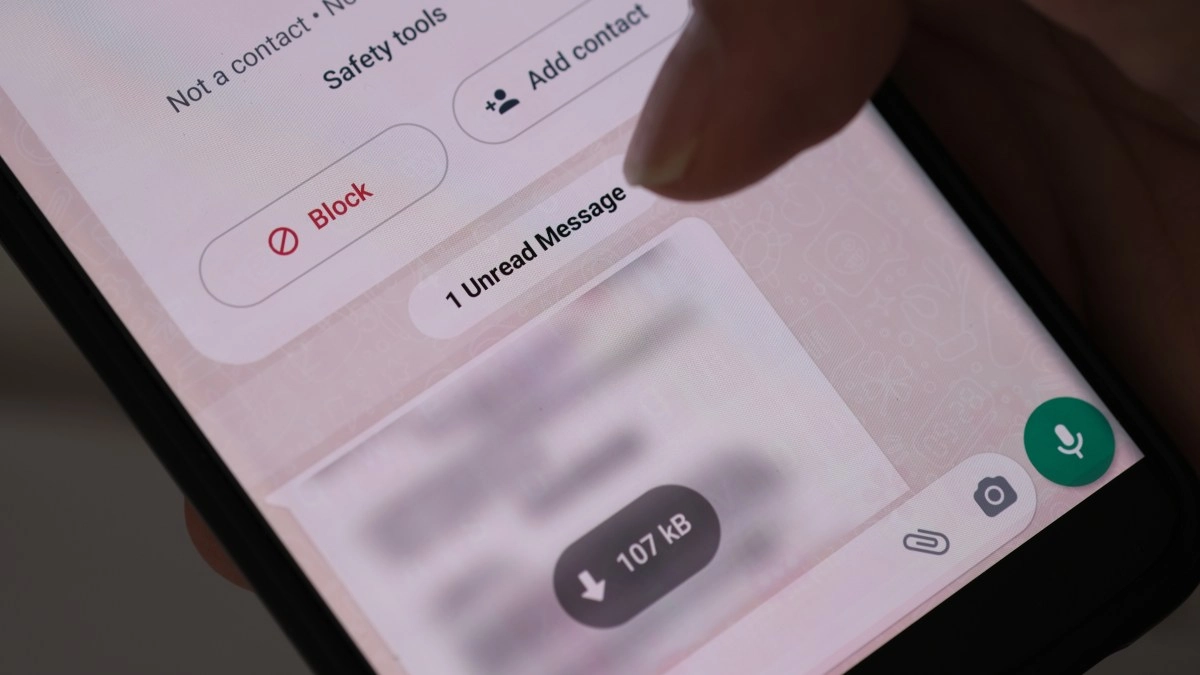

The Office of the Administrative Officer (CAO) of the US House of Representatives announced that legislative staff are prohibited from installing and using WhatsApp on their official devices. In that internal document, it is specified that WhatsApp represents a "high risk" for official government devices, for the following reasons:
They didn't stop there: they indicate that all employees must be required to delete WhatsApp from their laptops, mobile phones, and even web access on corporate devices before June 30.
Why ban WhatsApp now?
The House banning apps is nothing new. In recent years, they have gradually banned tools they considered unsafe: TikTok, free versions of ChatGPT, DeepSeek technology, and they had even been focusing on messaging apps. From the CAO's perspective, everything points to protecting the integrity of sensitive communications.
This memorandum translates into a clear policy: they prioritize apps with greater control. And instead, they recommend alternatives that are "supposedly" more secure: Microsoft Teams, Amazon Wickr, Signal, iMessage, and FaceTime. The funny thing is that some of these competitors don't even have half the encryption of WhatsApp, or don't offer it by default, something that Meta took advantage of to launch its counterattack.
What's Meta's response?
Meta, WhatsApp's parent company, didn't stay silent and reacted with all its might. Its spokesperson, Andy Stone, described the memorandum as a characterization with which we disagree in the strongest possible terms.
Meta's defense was clear: the measure is regulatory overreach, with no solid basis in the face of the technical reality of its encryption, and added an ironic touch: "We want members of the House to join the Senate's example by officially using WhatsApp."
Privacy and cybersecurity
At the heart of all this is the big argument about security vs. privacy vs. convenience. WhatsApp, with nearly 3 billion users, It uses E2EE encryption by default, but does that make it invulnerable?
This WhatsApp ban, then, is not a direct attack on cryptography, but rather a broader preventative strategy in a context of hybrid threats: deepfakes, digital espionage, data leaks... and growing distrust of third-party providers.
This episode marks an interesting milestone in the (digital) cold war between big tech companies and governments. WhatsApp positions itself as a global app with strong encryption, but the US government raises the issue: do you only trust encryption or do you also value traceability and institutional control? Meta isn't giving in, but the House of Representatives has already spoken... and it didn't come with a thumbs-up emoji.