

Buying your next router can be quite a challenge because of the new FCC ban
The FCC announced that it will not allow the import of routers manufactured abroad for security reasons
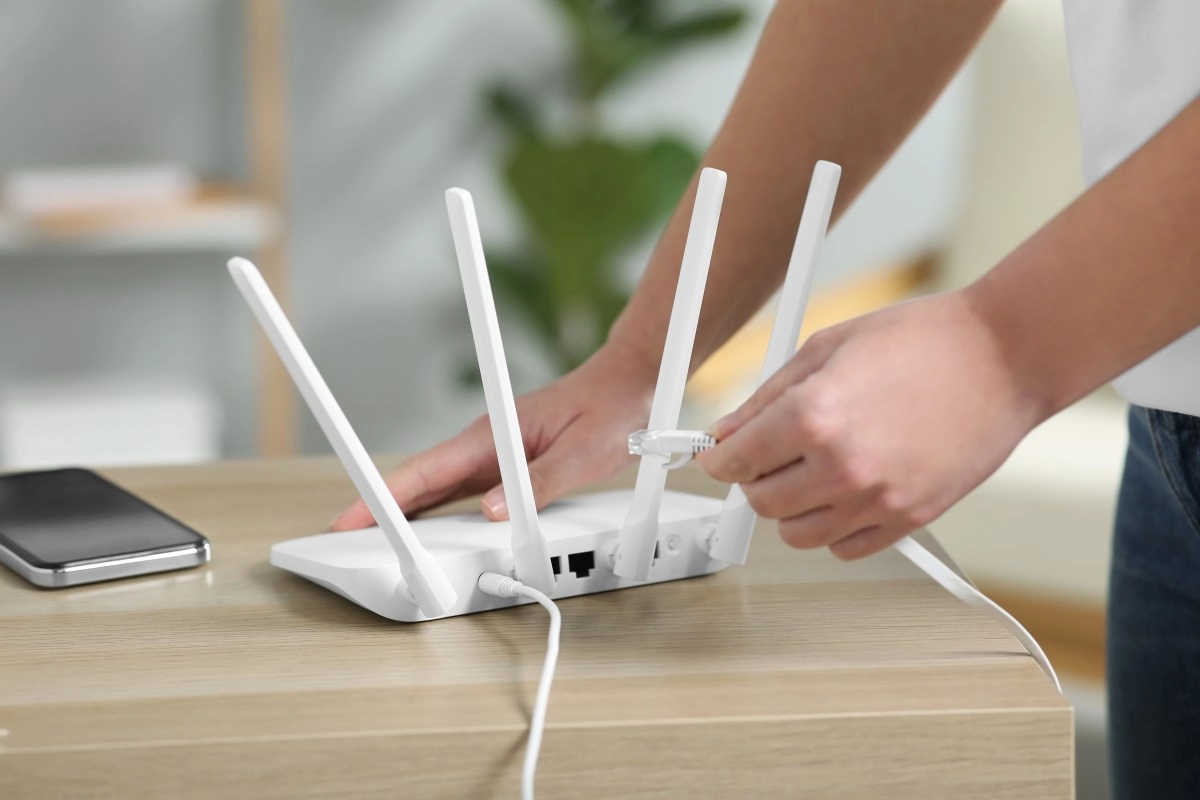

Buying a new router in the United States could become much more complicated starting in 2026. The Federal Communications Commission (FCC) has just made a historic decision that will completely change the market landscape.
The FCC decided to block the import of new consumer routers manufactured abroad. This strict government measure will transform the catalogs of major tech retailers and directly impact our wallets. If you were thinking about upgrading your home Wi-Fi network, now is the perfect time to understand what's really happening in the industry.
Why the FCC Banned Router Imports
The main argument of the US regulatory agency focuses exclusively on cybersecurity and national defense. According to federal authorities, networking equipment developed or assembled outside the country can pose a direct risk to national security.
The FCC no longer considers routers as mere appliances for home internet access, but now classifies them as critical pieces of digital infrastructure that must be protected against potential vulnerabilities.
Government investigations indicate that malicious actors and hacking groups backed by foreign governments could exploit weaknesses in global supply chains. Intelligence agencies fear that this equipment may contain hidden backdoors built into its manufacturing process. These vulnerabilities would allow third parties to access home networks, compromise private information, or even paralyze large-scale connections. For this reason, the government has preferred to drastically curb the entry of new foreign technology rather than risk exposing the data of millions of American citizens. What changes for those who want to buy a new router? To understand the practical impact of this measure, we must look at how current technology production works. The vast majority of the most popular brands on the market, such as TP-Link, Asus, and Netgear, manufacture and assemble their devices in Asia. The new FCC regulation blocks the certification of any new model coming from these overseas factories unless they obtain special security exemptions or relocate their operations.The good news for your peace of mind is that the routers you already have installed and working at home will not be affected by this ban. The rule applies only to new commercial imports. Tech stores will be able to continue selling the inventory they already have legally stored in the country. The real challenge for consumers will begin when that current stock is completely depleted. In the medium term, we will see very clear consequences on store shelves. Why this case is reminiscent of the civilian drone ban: If this whole blocking strategy seems familiar, it's because the US government is applying the exact same playbook it recently used against the drone industry. The router ban follows the same legal and political path as the veto on civilian drones from brands like DJI. In both cases, Washington authorities justified their actions based on the urgent need to protect national security from imported technology. During the high-profile drone case at the end of last year and the beginning of 2026, we saw authorizations for new commercial and recreational models blocked. Content creators and audiovisual professionals suddenly found themselves facing a paralyzed market and very limited options for updating their work tools. Now, that same policy of technological protectionism is landing directly at the heart of our smart homes. The similarities between both banks mark an undeniable trend in the current landscape. The government is willing to sacrifice market variety and competitive pricing to ensure that connected devices are above suspicion. Buying consumer technology is ceasing to be a simple performance-based decision and becoming a matter conditioned by geopolitical tensions. If you need to improve your internet connection in the short term, the most sensible recommendation today is to take advantage of current store inventory before new regulations definitively transform the market. The FCC's new regulations block the certification of any new models coming from these overseas factories unless they obtain special security exemptions or relocate their operations. The good news for your peace of mind is that the routers you already have installed and working at home will not be affected by this ban. The rule applies only to new commercial imports. Tech stores will be able to continue selling the inventory they already have legally stored in the country. The real challenge for consumers will begin when that current stock is completely depleted. In the medium term, we will see very clear consequences on store shelves. Why this case is reminiscent of the ban on civilian drones: If this whole blocking strategy seems familiar, it's because the US government is applying the exact same playbook it recently used against the drone industry. The router ban follows the same legal and political steps as the ban on civilian drones from brands like DJI. In both scenarios,Washington authorities justified their actions based on the imperative need to protect national security from imported technology. During the high-profile drone case at the end of last year and the beginning of 2026, we saw authorizations for new commercial and recreational drone models blocked. Content creators and audiovisual professionals suddenly found themselves facing a paralyzed market and very limited options for updating their work tools. Now, that same policy of technological protectionism is landing directly at the heart of our smart homes. The similarities between both banks mark an undeniable trend in the current landscape. The government is willing to sacrifice market variety and competitive pricing to ensure that connected devices are free from suspicion. Buying consumer technology is ceasing to be a simple performance-based decision and becoming a matter conditioned by geopolitical tensions. If you need to improve your internet connection in the short term, the wisest recommendation today is to take advantage of current store inventory before new regulations definitively transform the market. The FCC's new regulations block the certification of any new models coming from these overseas factories unless they obtain special security exemptions or relocate their operations. The good news for your peace of mind is that the routers you already have installed and working at home will not be affected by this ban. The rule applies only to new commercial imports. Tech stores will be able to continue selling the inventory they already have legally stored in the country. The real challenge for consumers will begin when that current stock is completely depleted. In the medium term, we will see very clear consequences on store shelves. Why this case is reminiscent of the ban on civilian drones: If this whole blocking strategy seems familiar, it's because the US government is applying the exact same playbook it recently used against the drone industry. The router ban follows the same legal and political steps as the ban on civilian drones from brands like DJI. In both scenarios, Washington authorities justified their actions based on the imperative need to protect national security from imported technology. During the high-profile drone case at the end of last year and the beginning of 2026, we saw authorizations for new commercial and recreational drone models blocked. Content creators and audiovisual professionals suddenly found themselves facing a paralyzed market and very limited options for updating their work tools. Now, that same policy of technological protectionism is landing directly at the heart of our smart homes. The similarities between both banks mark an undeniable trend in the current landscape. The government is willing to sacrifice market variety and competitive pricing to ensure that connected devices are free from suspicion.Buying consumer technology is ceasing to be a simple performance-based decision and becoming a matter conditioned by geopolitical tensions. If you need to improve your internet connection in the short term, the most sensible recommendation today is to take advantage of current store inventory before new regulations definitively transform the market. Technology stores will be able to continue selling the inventory they already have legally stored in the country. The real challenge for consumers will begin when that current stock is completely depleted. In the medium term, we will see very clear consequences on store shelves. Why this case is reminiscent of the ban on civilian drones. If this entire blocking strategy seems familiar, it's because the US government is applying the exact same playbook it recently used against the unmanned aerial vehicle industry. The router ban follows the same legal and political steps as the ban on civilian drones from brands like DJI. In both scenarios, Washington authorities justified their actions based on the imperative need to protect national security from imported technology. During the high-profile drone case at the end of last year and the beginning of 2026, we saw authorizations for new commercial and recreational models blocked. Content creators and audiovisual professionals suddenly found themselves facing a paralyzed market and very limited options for updating their work tools. Now, that same policy of technological protectionism is landing directly at the heart of our smart homes. The similarities between both banks mark an undeniable trend in the current landscape. The government is willing to sacrifice market variety and competitive prices to ensure that connected devices are above suspicion. Buying consumer technology is ceasing to be a simple performance-based decision and becoming a matter conditioned by geopolitical tensions. If you need to improve your internet connection in the short term, the most sensible recommendation today is to take advantage of the current inventory in stores before the new regulations definitively transform the market. Technology stores will be able to continue selling the inventory they already have legally stored in the country. The real challenge for consumers will begin when that current stock is completely depleted. In the medium term, we will see very clear consequences on store shelves. Why this case is reminiscent of the ban on civilian drones. If this entire blocking strategy seems familiar, it's because the US government is applying the exact same playbook it recently used against the unmanned aerial vehicle industry. The router ban follows the same legal and political steps as the ban on civilian drones from brands like DJI. In both scenarios, Washington authorities justified their actions based on the imperative need to protect national security from imported technology.During the high-profile drone case at the end of last year and the beginning of 2026, we saw authorizations for new commercial and recreational models blocked. Content creators and audiovisual professionals suddenly found themselves facing a paralyzed market and very limited options for updating their work tools. Now, that same policy of technological protectionism is landing directly at the heart of our smart homes. The similarities between both banks mark an undeniable trend in the current landscape. The government is willing to sacrifice market variety and competitive prices to ensure that connected devices are above suspicion. Buying consumer technology is ceasing to be a simple performance-based decision and becoming a matter conditioned by geopolitical tensions. If you need to improve your internet connection in the short term, the most sensible recommendation today is to take advantage of the current inventory in stores before the new regulations definitively transform the market. Washington authorities justified their actions based on the imperative need to protect national security from imported technology. During the high-profile drone case at the end of last year and the beginning of 2026, we saw authorizations for new commercial and recreational drone models blocked. Content creators and audiovisual professionals suddenly found themselves facing a paralyzed market and very limited options for updating their work tools. Now, that same policy of technological protectionism is landing directly at the heart of our smart homes. The similarities between both banks mark an undeniable trend in the current landscape. The government is willing to sacrifice market variety and competitive pricing to ensure that connected devices are above suspicion. Buying consumer technology is ceasing to be a simple performance-based decision and becoming a matter conditioned by geopolitical tensions. If you need to improve your internet connection in the short term, the most sensible recommendation today is to take advantage of current store inventory before new regulations definitively transform the market. Washington authorities justified their actions based on the imperative need to protect national security from imported technology. During the high-profile drone case at the end of last year and the beginning of 2026, we saw authorizations for new commercial and recreational drone models blocked. Content creators and audiovisual professionals suddenly found themselves facing a paralyzed market and very limited options for updating their work tools. Now, that same policy of technological protectionism is landing directly at the heart of our smart homes. The similarities between both banks mark an undeniable trend in the current landscape. The government is willing to sacrifice market variety and competitive pricing to ensure that connected devices are above suspicion.Buying consumer technology is ceasing to be a simple performance-based decision and becoming a matter conditioned by geopolitical tensions. If you need to improve your internet connection in the short term, the most sensible recommendation today is to take advantage of current store inventory before new regulations definitively transform the market.