

Electrical problems you should never ignore
Some early electrical problems can pose a significant risk in your home. We tell you which ones you should pay the most attention to
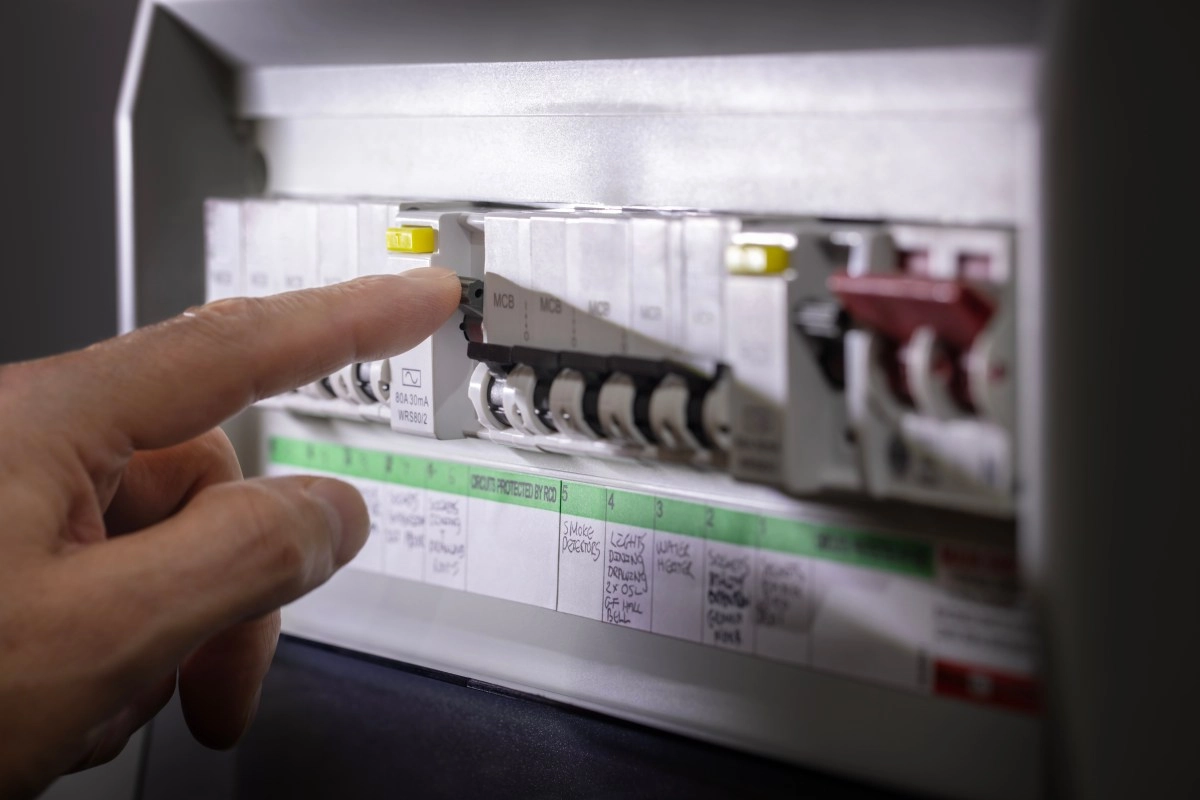

Electrical problems in the home are not always obvious. Many faults begin with small signs that normalize over time, but ignoring them can lead to fires, costly damage, or serious risks to your safety and the safety of others. Identifying these warnings early is key to avoiding major consequences. In this article, we'll tell you about what you shouldn't ignore, no matter how small it may seem.
1. 1. Frequently Tripping Circuit Breakers
If your circuit breaker trips repeatedly, it's not a minor issue. This usually indicates an overloaded electrical circuit, faulty wiring, or malfunctioning equipment. Resetting it repeatedly without investigating the cause increases the risk of future short circuits and fires.
2. Burning or Hot Plastic Smell
Any unusual odor coming from electrical outlets, switches, or panels should be considered an emergency warning. A burning smell is often associated with melted insulation, loose connections, or overheated wires—problems that can cause a sudden fire, even without visible sparks, which can spread throughout your home or neighboring properties.
3. Hot-To-the-Touch Outlets
An electrical outlet should never feel hot to the touch. When this happens, it's usually due to a poor internal connection, excessive power consumption, or outdated wiring that can't handle the current load.
Ignoring this symptom can lead to sudden electrical failures or dangerous shocks.
4. Flickering or Dimming Lights
Flickering lights are not always due to faulty bulbs. In many cases, they indicate voltage fluctuations, loose connections, or problems in the electrical panel. These types of failures can damage sensitive appliances and reduce the lifespan of the electrical system.
5. Sparks When Plugging In Appliances
Seeing occasional sparks may seem normal, but when they are frequent or intense, it is a clear warning. Sparks indicate internal wear, moisture, or deteriorated wiring.
which increases the risk of electrocution or fire.
6. Buzzing noises in outlets or electrical panels
An electrical system should be quiet. Buzzing or persistent noises usually indicate unstable current, faulty transformers, or loose connections. These types of problems require immediate professional inspection.
7. Excessive use of extension cords and power strips
Constantly relying on extension cords is not only inconvenient, it's also dangerous. This often indicates that the home doesn't have enough circuits or outlets, which can create invisible overloads within the walls.
8. Old or unmaintained electrical panel
Homes with old electrical panels or those that aren't regularly inspected pose a greater risk. Outdated systems may not meet current electrical codes, especially given the modern use of appliances and electronic devices.
Why acting early makes a difference?
Electrical problems rarely resolve themselves. Detecting and addressing electrical problems early not only prevents larger expenses but also protects lives and property. At the first sign of trouble, the safest course of action is to consult a certified electrician and avoid makeshift solutions. Ignoring these warnings can be far more expensive than a preventative inspection.
You may also be interested in: Energy Secretary assures that electricity prices will soon stop rising; This is the smallest house in the world: it measures 1.8 meters and has a bathroom (Video); Moving to these states could increase your salary