

Galaxy S26 leak casts doubt on a key feature: Qi2 without integrated magnets?
There are doubts about whether the Galaxy S26 will integrate Qi2 imaging that allows the use of magnetic accessories without problems, as is the case with the Pixel 10
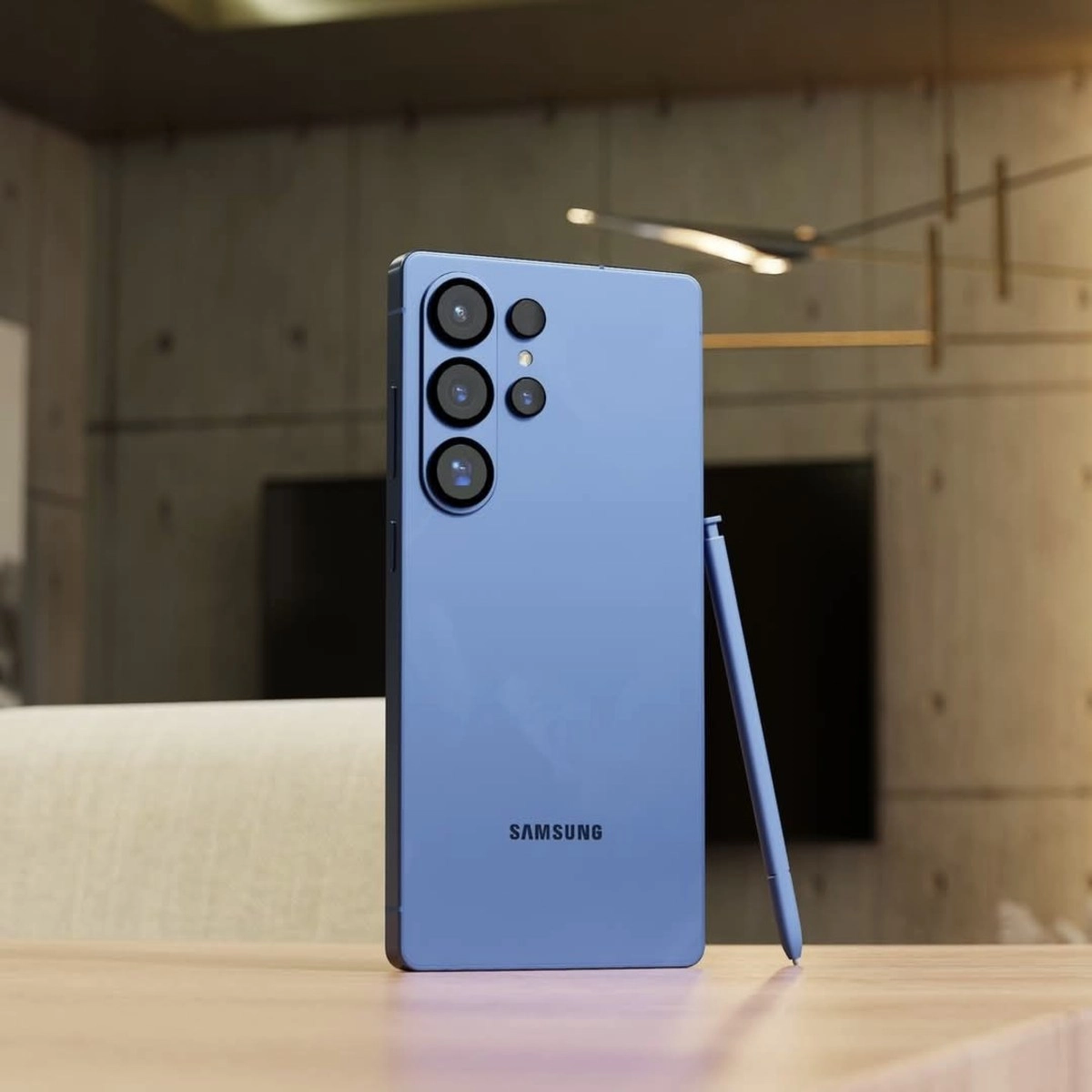

The latest leak about the Samsung Galaxy S26 points to a decision that will generate discussion: Samsung could launch the S26 without Qi2 magnets integrated into the phone itself. The clue that sets everything in motion isn't a vague phrase or a "rumor," but something quite concrete: official Samsung cases appeared in two versions, one magnetic and one non-magnetic. And this matters more than it seems. If a phone has native Qi2 magnets, the manufacturer will typically push almost its entire case catalog toward the magnetic version, because a "regular" case usually weakens the connection. This means that even if the phone is magnetic, if you put any old case on it, the magnet loses strength and the accessories (wallets, stands, batteries) become less reliable. Therefore, the existence of a non-magnetic case from the start acts as an indirect signal that if Samsung is selling an official case without magnets, it's probably because the phone doesn't have the magnets inside. The result would be a scenario where the ecosystem of magnetic accessories can exist, but the premium experience is contingent on buying the right case. And if you're one of those who uses their phone "without a case" or with a third-party case, you might miss out on the most convenient aspect of the standard. It's not a disaster for everyone, but it breaks that idea of ??"frictionless high-end charging" that's expected in 2026.
Qi2 Explained Simply: Why Magnets Are Changing the Game in Wireless Charging
Qi2 isn't just about "wireless charging," because we've had that for years with Qi. The difference that's propelling Qi2 to the forefront is magnetic alignment: the charger and the phone are positioned exactly where they should be, without you having to adjust millimeters by eye as if you were playing a game of Operation.
What do you gain from that in everyday use?
Furthermore, there's a market component:Apple has been using a magnetic approach on the iPhone (MagSafe) for years and has trained the public to expect that convenience. Qi2 is the "standard" way to bring that idea to more devices.That's why there's so much pressure surrounding the S26; it's not just about adding a number to the spec list, but about entering an ecosystem that's changing habits. If Samsung leaves the magnets out of the phone and "transfers" them to a specific case, the user may end up paying extra (and accepting a limitation) to get an experience that others already offer directly. It's not the end of the world, but it is a decision that feels calculated. The detail that raises eyebrows: Native Qi2 only on Pixel 10 (for now). At this time, the "full" adoption of Qi2 with integrated magnets in Android remains very limited, and the example mentioned as a reference is clear: the Pixel 10 would be the only ones that offer it natively for now. This detail adds spice to the Galaxy S26 story, because it creates an immediate comparison: a competitor already offers this technology across its entire line of devices. And this is where it becomes interesting for the average user, the one who buys a flagship and doesn't want complications: For now, this leak leads to a practical conclusion. If you were expecting the Galaxy S26 to be "the Galaxy that finally goes full Qi2," it's best to lower your expectations. The jump to Qi2 might happen, but with an asterisk. And for a brand that dominates the high-end Android market, that "asterisk" carries more weight than it seems.