

New reality of single motherhood: IVF sets record number of mothers over 40
Approximately 100,000 births a year in the US occur through IVF, a significant increase in its use since its introduction in 1981
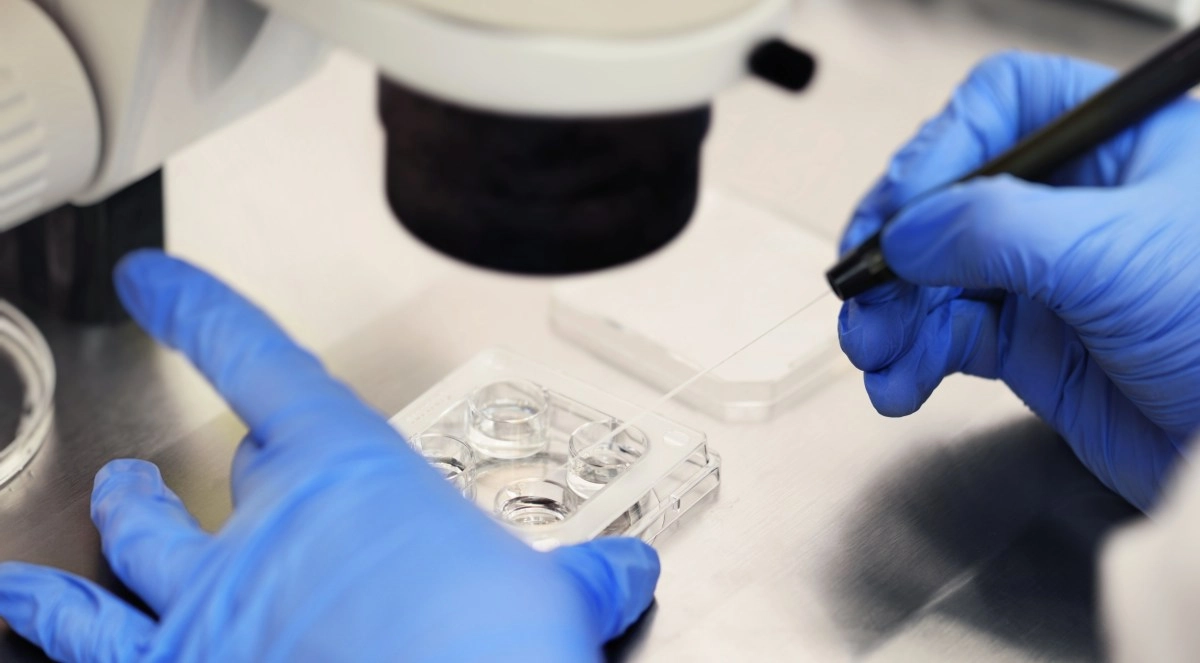

The number of single women deciding to have children has grown considerably in recent years, with a notable 250% increase in the number of unmarried women in their 40 years who have given birth in the last decade. This reflects a shift in the social and personal priorities of young women.
In vitro fertilization (IVF) has become a viable and accessible option for many single women.
Currently, approximately 100,000 births a year in the US occur through IVF, representing a significant increase in its use since its introduction in 1981.
Stories of Single Motherhood
Laura Terry and Kate Snyder are examples of this phenomenon. Both have opted for IVF and had their children in their 40s, challenging traditional perceptions of motherhood.
Laura Terry: A Methodical Approach. Laura, with a PhD in cell biology, made informed decisions about her path to motherhood. She began her IVF journey at 39 and conceived her two daughters, Eleanor and Margaret, on her first attempts, which she describes as a blessing. “For my 39th birthday, I bought a bottle of sperm donor,” Terry told National Public Radio (NPR), because she wasn't interested in dating, getting married, or having a partner. It was her choice, and she made it. “I had never heard of being a single mother by choice,” added Laura, who is now 44. Kate Snyder: Breaking Stigmas. Kate, who began her journey to motherhood in her 40s, found it liberating to separate the idea of ??her child's father from the person with whom she is romantically involved. Her experience highlights how societal pressures surrounding motherhood have evolved. Today she is 48 years old and the mother of a 2-year-old girl.
Challenges of being a single mother
Despite their successes, Terry and Snyder face significant challenges, such as the physical demands of motherhood and social stigma.They are often responsible for making critical decisions without the constant support of a partner. Interactions with the community can be uncomfortable.Terry experienced a disconcerting reaction from a neighbor after mentioning her family situation, reflecting the lack of acceptance of these new family structures. Increasingly, women are choosing to be single mothers, driven by the search for independence and the desire to have a family, adapting to new social realities. Understanding and acceptance of these new family dynamics are evolving, but there is still a long way to go. Keys to In Vitro Fertilization In vitro fertilization is a key procedure in assisted reproduction that involves extracting eggs, fertilizing them in the laboratory, and transferring embryos to the uterus. Its keys to success lie in embryo quality, endometrial synchronization, and a healthy lifestyle.
The fundamental aspects are detailed below. Main stages. The process begins with ovarian stimulation using hormones to mature multiple eggs, followed by their retrieval via ultrasound-guided follicular aspiration. The eggs are fertilized with sperm through conventional insemination or ICSI (intracytoplasmic sperm injection), and the embryos are cultured to the blastocyst stage. Finally, one or more euploid embryos are transferred to the receptive uterus, ideally one that is hormonally synchronized. Success factors: Embryo quality is crucial: prioritizing day 5 euploid blastocysts increases implantation rates. Endometrial-embryo synchronization prevents post-stimulation hormonal imbalances, improving receptivity. Preimplantation genetic testing (PGT) detects chromosomal abnormalities to select viable embryos. Practical tips: Maintaining a healthy weight, avoiding tobacco and alcohol, and reducing stress enhance results. Choosing clinics with experience and continuous ultrasound monitoring is essential. Open communication with the medical team optimizes each cycle.