

TCL will manufacture the next Sony TVs: What changes in the BRAVIA?
TCL will handle the production of the next generation of Sony Bravia TVs after an agreement between the two companies
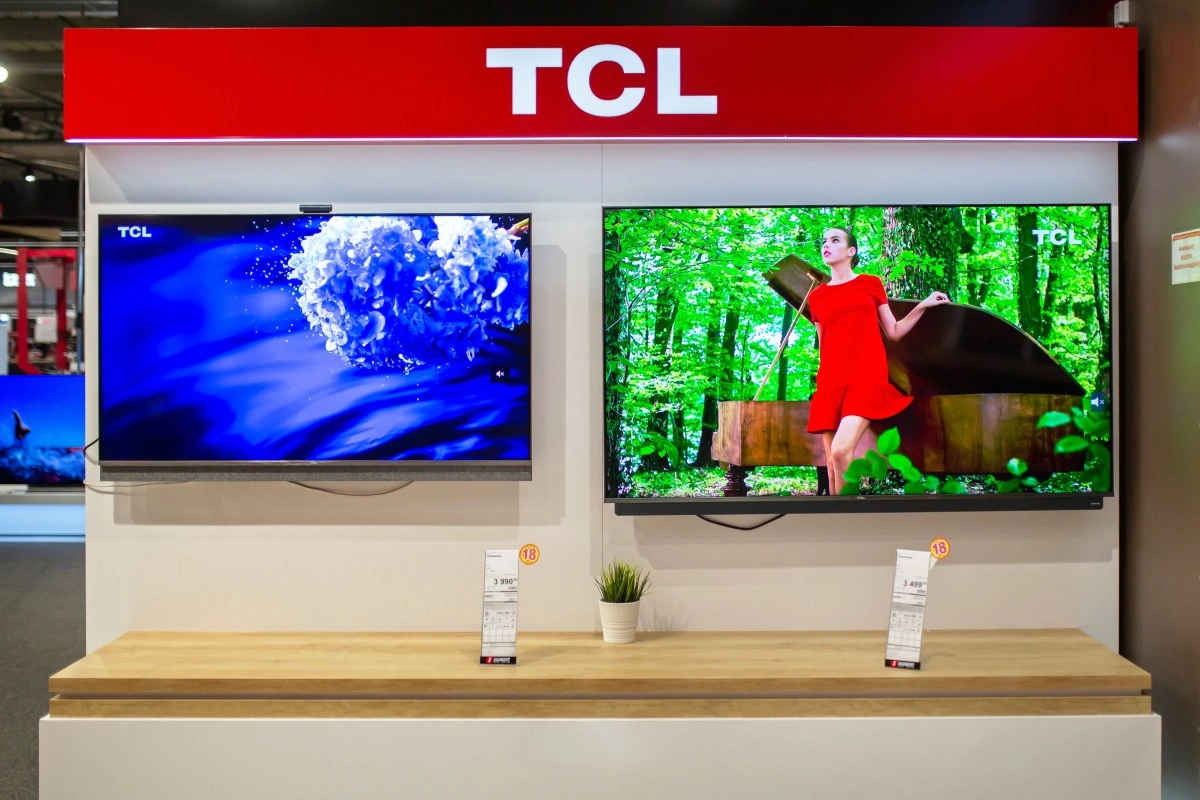

TCL and Sony reached an agreement that, in practice, puts TCL in charge of the manufacturing (and complete operation) of the next Sony/BRAVIA TVs through a new joint venture. The move aims to strengthen both brands in a market where Samsung remains the rival to beat (and the global leader by market share).
What does the TCL–Sony agreement entail?
Sony and TCL announced the signing of a memorandum of understanding (MOU), a preliminary agreement to move towards a binding pact. The central idea is to create a joint venture that will take over Sony's home entertainment business (televisions and audio), with TCL controlling 51% and Sony retaining 49%.
The important thing: this new company will not only assemble TVs, but will manage the entire end-to-end process, from product development and design to manufacturing, sales, logistics, and customer service on a global scale. If everything proceeds as planned, Sony and TCL expect to finalize agreements by the end of March 2026 and begin operations in April 2027, subject to regulatory approvals.
Why this alliance seeks to put pressure on Samsung
In the TV business, Samsung has been playing the role of "final boss" for years, boasting a 19-year global leadership position. In 2024, it achieved a 28.3% share of the global TV market. Faced with this size (and its strength in premium products, giant screens, and marketing), Sony and TCL appear to be betting on a very pragmatic combination: brand + processing technology (Sony) with industrial scale + supply chain efficiency (TCL).
The official statement outlines precisely this complementarity: Sony contributes its image and audio technology, brand value, and operational experience; TCL contributes display technology, global scale, industrial footprint, cost efficiency, and vertical supply chain strength.
Simply put: if you want to compete with Samsung without bleeding money on hardware, you need volume, controlled costs, and a factory (or several) that doesn't fail; and that's where TCL plays hard.
What could this mean for your future BRAVIA products?
For now,The plan is for the resulting products to continue using the “Sony” name and the “BRAVIA” brand, so this isn't “goodbye Sony,” but rather a structural change to sustain the business. Furthermore, the new company would also cover home audio, suggesting a more integrated ecosystem strategy (TV + sound + experience), something key in the era of streaming and OTT platforms, which the press release itself mentions as driving market growth.
In practical terms, consumers could see two effects over time: greater ability to compete on price/volume without abandoning Sony's signature image processing and adjustment, and a release schedule more in line with the industry (where TCL already has scale). However, as it is still a Memorandum of Understanding (MOU) and the final agreement is pending, the final picture (what is manufactured where, what remains within Sony, and what migrates to the new operation) will only become clear once the binding agreement is finalized.