

The end of physical media on Xbox is official: the 2025 sales figures that change everything
Xbox sales without a disc drive skyrocketed last year, now representing the largest share of the company's market
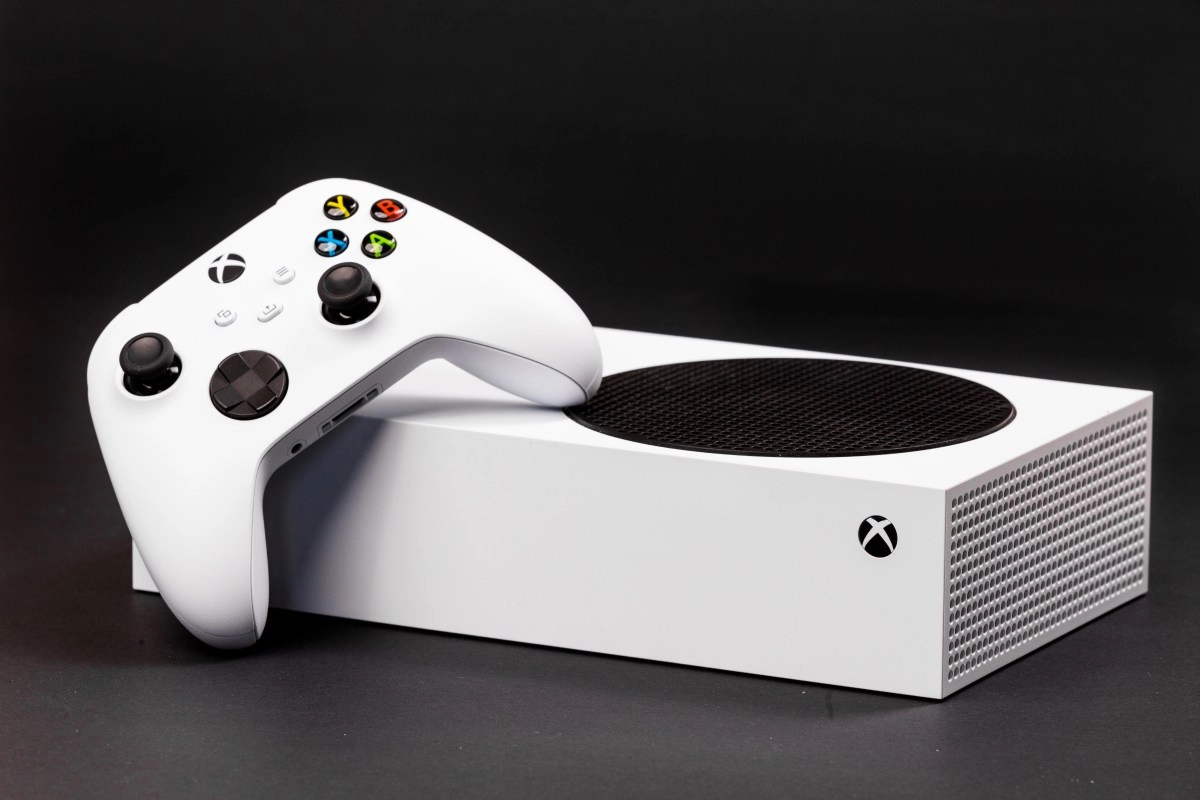

If you're one of those who still enjoys the ritual of removing the plastic from a new game, opening the box, and smelling that "new" aroma before putting the disc in the console, I have bad news: you're an endangered species. And I'm not saying this out of fatalism; the cold, hard numbers we just learned about the US market confirm it. 2025 wasn't just another year for the industry; it was the year the balance tipped definitively. According to the latest reports, one figure has set off alarm bells in retailers' offices: almost 70% of Xbox Series consoles sold in the United States during 2025 were all-digital models. We are facing a brutal paradigm shift that is irreversible. Digital-only consoles are booming. Let's break this down because the data is devastating. Specifically, analyst Mat Piscatella revealed that 66% of Xbox Series X|S sales were for units without a disc drive. To put this in perspective, this means that of every three consoles Microsoft placed in American homes last year, two were unable to read a physical disc. What accounts for this overwhelming dominance? The answer has two names. First, the Xbox Series S, which remains the most affordable entry point to the new generation (although no longer so "new"). But the real catalyst in 2025 was the arrival of the all-digital Xbox Series X in white. By offering the power of its "big sister" at a reduced price, Microsoft eliminated the last excuse hardcore gamers had for clinging to physical media. If we compare this to the competition, the contrast is striking: while Xbox already lives in a predominantly digital reality, the PlayStation 5 still maintains a 50/50 balance between its models with and without a disc drive. This demonstrates that Microsoft's strategy is far more aggressive in severing ties with traditional retail.
Why is physical media dying? The Game Pass Effect
Now, we can't blame it all on the hardware. This paradigm shift isn't accidental; it's an intentional ecosystem design. The reality is that the average Xbox user has been "trained" for years to stop buying individual games.
Xbox Game Pass is the real disc killer. Think about it: why would you drive to the store and pay $70 for a new release when you can get it on day one with your digital subscription? Microsoft has created an environment where physical media feels not only unnecessary but inconvenient. By conditioning its user base to consume video games like they're Netflix series, they've made the hassle of swapping discs a thing of the past.
Furthermore, there's an unavoidable economic factor. With the price increases we saw in 2024 and 2025, digital consoles became the only viable option for many families.
When money is tight, those $50 or $100 saved on hardware outweigh the possibility of reselling your used games in the future.
Digital is here to stay
This is where the deeper analysis comes in. The fact that 70% of the Xbox market is digital has implications that go far beyond whether or not you have a nice shelf in your house. We're talking about the effective death of the used market for Microsoft's platform. If two-thirds of users can't use discs, stores like GameStop lose the incentive to dedicate shelf space to Xbox games.
This creates a vicious cycle: stores reduce their physical stock because fewer consoles with disc drives are being sold, and users buy fewer discs because they can't find them in stores.
By 2026 and 2027, it's very likely we'll see Xbox sections in supermarkets reduced to simple gift cards and download codes. This paradigm shift also gives us a very clear clue about the next generation. If the rumors of a portable or hybrid console are true, and considering this 2025 data, it would be naive to think the next Xbox will have a disc drive. Microsoft has already won the culture battle among its users: they've convinced us that digital ownership is enough.Why drive to the store and pay $70 for a new release when you can get it on day one with your digital subscription? Microsoft has created an environment where physical media feels not only unnecessary but inconvenient. By conditioning its user base to consume video games like they consume Netflix series, they've made the hassle of swapping discs a thing of the past. Furthermore, there's an unavoidable economic factor. With the price increases we saw in 2024 and 2025, digital consoles became the only viable option for many families. When money is tight, those $50 or $100 saved on hardware outweigh the possibility of reselling your used games in the future. Digital media is here to stay. This is where the deeper analysis comes in. The fact that 70% of the Xbox market is digital has implications that go far beyond whether or not you have a nice bookshelf in your house. We're talking about the effective death of the secondhand market for Microsoft's platform. If two-thirds of users can't use discs, stores like GameStop lose the incentive to dedicate shelf space to Xbox games. This creates a vicious cycle: stores reduce their physical stock because fewer consoles with disc drives are being sold, and users buy fewer discs because they can't find them in stores. By 2026 and 2027, it's very likely we'll see Xbox sections in supermarkets reduced to just gift cards and download codes. This paradigm shift also gives us a very clear clue about the next generation. If the rumors of a portable or hybrid console are true, and considering this 2025 data, it would be naive to think that the next Xbox will have a disc drive. Microsoft has already won the culture war among its users: they've convinced us that digital ownership is enough.Why drive to the store and pay $70 for a new release when you can get it on day one with your digital subscription? Microsoft has created an environment where physical media feels not only unnecessary but inconvenient. By conditioning its user base to consume video games like they consume Netflix series, they've made the hassle of swapping discs a thing of the past. Furthermore, there's an unavoidable economic factor. With the price increases we saw in 2024 and 2025, digital consoles became the only viable option for many families. When money is tight, those $50 or $100 saved on hardware outweigh the possibility of reselling your used games in the future. Digital media is here to stay. This is where the deeper analysis comes in. The fact that 70% of the Xbox market is digital has implications that go far beyond whether or not you have a nice bookshelf in your house. We're talking about the effective death of the secondhand market for Microsoft's platform. If two-thirds of users can't use discs, stores like GameStop lose the incentive to dedicate shelf space to Xbox games. This creates a vicious cycle: stores reduce their physical stock because fewer consoles with disc drives are being sold, and users buy fewer discs because they can't find them in stores. By 2026 and 2027, it's very likely we'll see Xbox sections in supermarkets reduced to just gift cards and download codes. This paradigm shift also gives us a very clear clue about the next generation. If the rumors of a portable or hybrid console are true, and considering this 2025 data, it would be naive to think that the next Xbox will have a disc drive. Microsoft has already won the culture war among its users: they've convinced us that digital ownership is enough.The fact that 70% of the Xbox market is digital has implications that go far beyond whether or not you have a nice shelf in your house. We're talking about the effective death of the used market for Microsoft's platform. If two-thirds of users can't use discs, stores like GameStop lose the incentive to dedicate shelf space to Xbox games. This creates a vicious cycle: stores reduce their physical stock because fewer consoles with disc drives are being sold, and users buy fewer discs because they can't find them in stores. By 2026 and 2027, it's very likely that we'll see Xbox sections in supermarkets reduced to simple gift cards and download codes. This paradigm shift also gives us a very clear clue about the next generation. If the rumors of a portable or hybrid console are true, and considering these 2025 figures, it would be naive to think that the next Xbox will have a disc drive. Microsoft has already won the culture battle among its users: they've convinced us that digital ownership is enough.The fact that 70% of the Xbox market is digital has implications that go far beyond whether or not you have a nice shelf in your house. We're talking about the effective death of the used market for Microsoft's platform. If two-thirds of users can't use discs, stores like GameStop lose the incentive to dedicate shelf space to Xbox games. This creates a vicious cycle: stores reduce their physical stock because fewer consoles with disc drives are being sold, and users buy fewer discs because they can't find them in stores. By 2026 and 2027, it's very likely that we'll see Xbox sections in supermarkets reduced to simple gift cards and download codes. This paradigm shift also gives us a very clear clue about the next generation. If the rumors of a portable or hybrid console are true, and considering these 2025 figures, it would be naive to think that the next Xbox will have a disc drive. Microsoft has already won the culture battle among its users: they've convinced us that digital ownership is enough.