

Despite progress, 138 million children worked in 2024, according to the UN
Report reveals that, although child labor has been reduced by almost half since the beginning of the century, the goals to eradicate this practice have still not been met
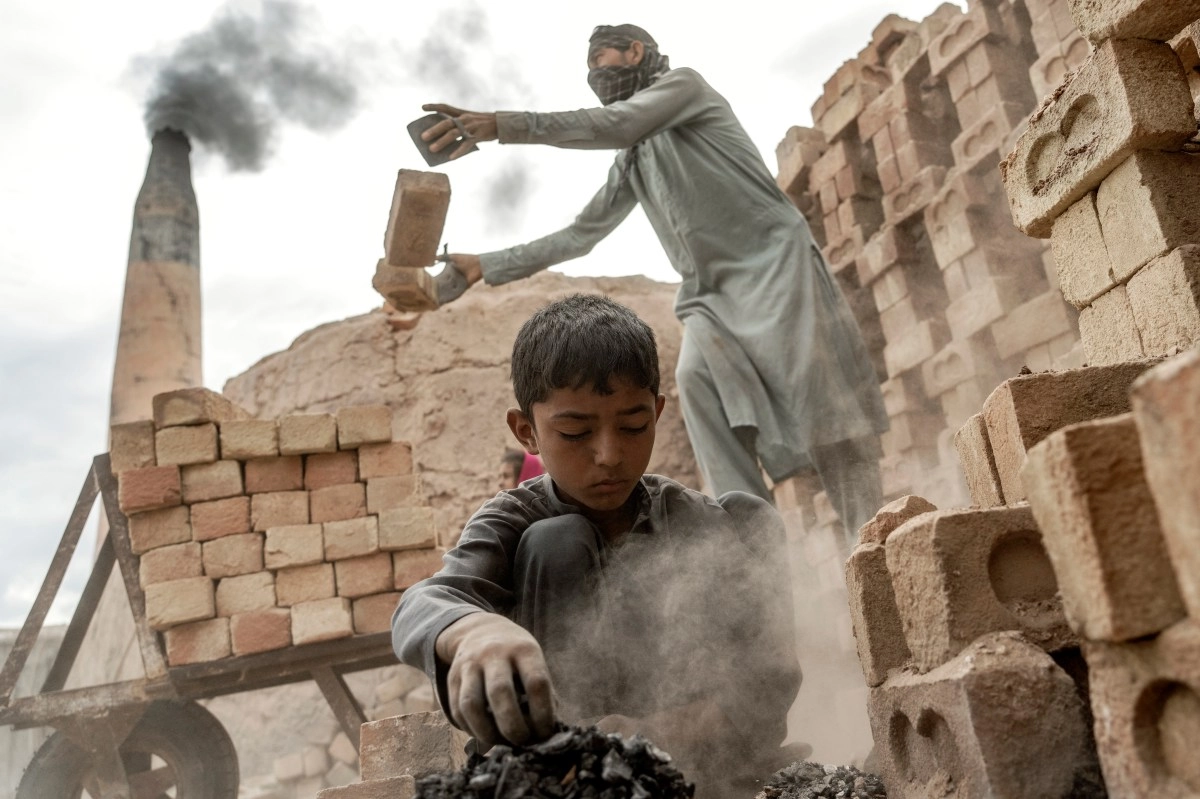

Despite progress, in 2024 some 138 million children were still working worldwide, according to a UN report, which fears that at the current rate the eradication of child labor will take "hundreds of years."
In In 2015, the world had set the goal of eliminating child labor by 2025, but “that deadline has come to an end,” lament the United Nations Children’s Fund UNICEF and the International Labor Organization (ILO) in their joint report, published this Wednesday.
Last year, 137.6 million children between 5 and 17 years old were working, equivalent to 7.8% of all children in that age group, according to data published every four years.
This represents a decrease compared to 2000, when 246 million children were forced to work, in many cases to help their families.
After a worrying increase between 2016 and 2020, the trend has now reversed: in 2024 there were 20 million fewer children working, compared to 2020.
“Too many children continue to work in mines, factories or fields”
“Significant progress” has been made in reducing these child labor figures, said Catherine Russell, director of Unicef.
“However, too many children still work in mines, factories or fields, often performing dangerous work to survive,” she added.
At the current rate of reduction, “it will take hundreds of years” to eliminate child labor, said Unicef ????expert Claudia Cappa.
According to the report, almost 40% of the 138 million children who worked in 2024 did so in risky jobs “that could jeopardize their health, safety or development.”
The report’s findings bring “hope and show that progress is possible,” said ILO Director-General Gilbert F. Houngbo, who warned however that there is “a long way to go.”