

The Trump administration will require bail of up to $15,000 from tourists and business travelers to enter the US.
Tourists and business travelers would receive the full amount back when they leave the United States, become naturalized citizens, or die
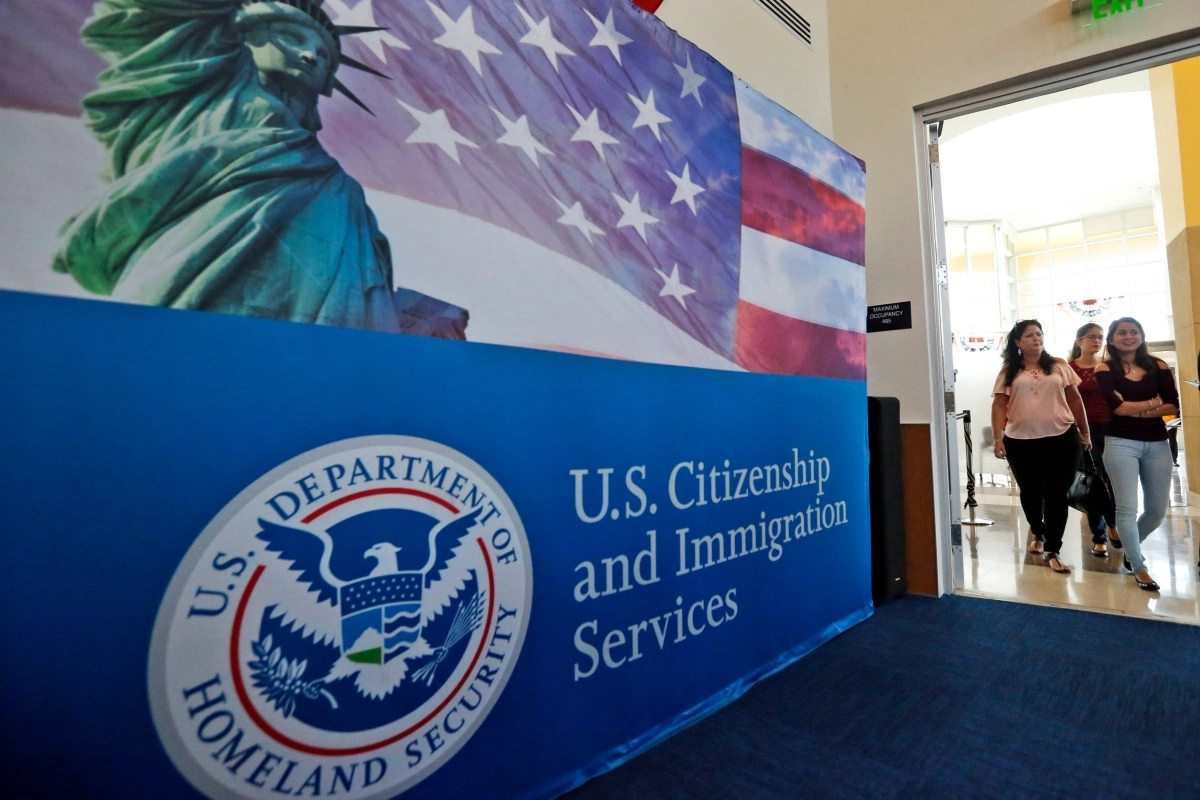

The U.S. State Department unveiled plans to impose bail amounts of up to $15,000 for some tourist and business visas, according to a draft rule temporary end.
According to reports, a notice was published in the Federal Register regarding the upcoming start of a 12-month pilot program for foreigners applying for B-1/B-2 visas, reserved for business or pleasure, although it indicated that a list of affected countries will be published later.
"Consular officers may require applicants for nonimmigrant visas to post a bond of up to $15,000 as a condition of visa issuance," the official document states.
The program estimates that about 2,000 applicants will face paying an average bond of $10,000 during the pilot program and that, after By proving they will not remain in the United States, foreigners could obtain a full refund.
The Administration of President Donald Trump justified the measure by estimating that there are more than 500,000 people who in fiscal year 2023, the most recent data, who exceeded the stay of their visas.
With the program, "the Department sends a message to all countries to take immediate actions to encourage their citizens to comply with the immigration law of the United States and address insufficient verification of identity and criminal backgrounds," argues the document.
This bond is in addition to the increase in costs for visas approved in July in "the great and beautiful law" of Trump, such as the "visa integrity fee" of at least 250 dollars to permits for all foreigners entering the country as visitors.
The United States issued nearly 11 million nonimmigrant visas in 2024, according to State Department figures.
Trump's law also imposes increases in the value of other applications, For the first time, migrants must not only pay a fee to apply for asylum, set at $100, but also an additional $100 each year the application is pending.
For now, it has been announced that the plan would announce the countries in question on the website "Travel.State. Gov" at least 15 days before the pilot program goes into effect. It also indicated that the list could change, again with 15 days' notice.