

UK Cedes Chagos Archipelago Back to Mauritius Under Historic Treaty
In a historic move, the United Kingdom has agreed to cede control of the Chagos Archipelago to Mauritius under a landmark treaty, ending decades of legal and diplomatic battles.
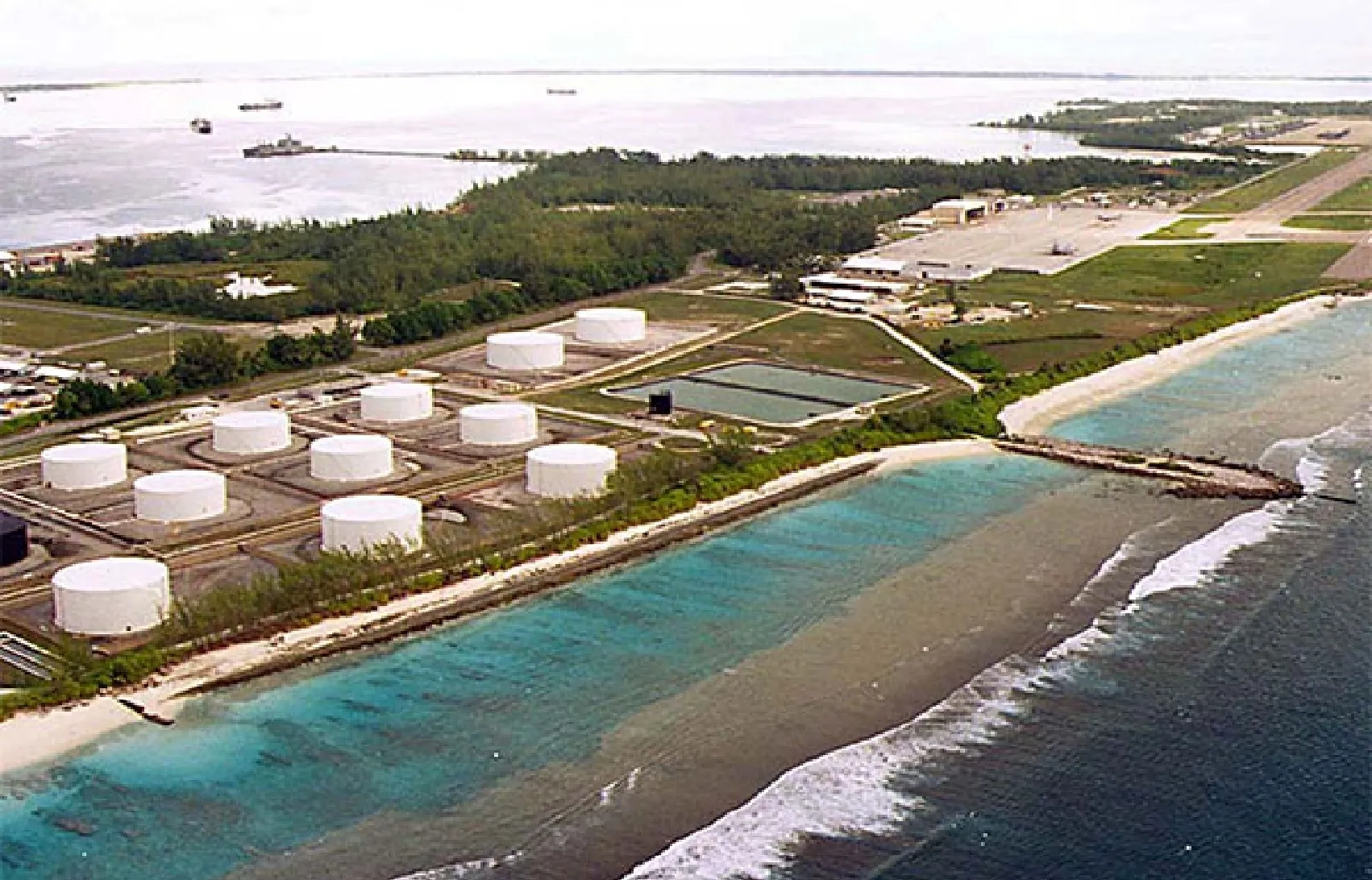

In a landmark decision, the United Kingdom has agreed to cede the Chagos Archipelago back to Mauritius, ending years of legal disputes and diplomatic wrangling. The handover follows a historic treaty that has been in the works for years, marking a significant turning point in international territorial claims and colonial-era legacies. The agreement not only restores Mauritius’ sovereignty over the islands but also addresses long-standing concerns about the rights of the Chagossian people, who were displaced when the UK retained control of the archipelago in the 1960s.
The treaty, hailed as a victory for both diplomacy and international law, comes after intense pressure from the international community, including rulings from the International Court of Justice (ICJ) and the United Nations General Assembly (UNGA), both of which ruled in favor of Mauritius. The UK had previously resisted calls to relinquish control of the islands, citing security concerns due to the U.S. military base on Diego Garcia, one of the islands in the Chagos Archipelago.
A Long-Awaited Decision
The Chagos Archipelago, located in the Indian Ocean, has been at the center of a bitter territorial dispute for decades. Mauritius, which became independent in 1968, has long claimed sovereignty over the islands. However, the UK retained control of the archipelago, leasing Diego Garcia to the United States for use as a strategic military base. The displacement of the Chagossians, who were forcibly removed from their homes to make way for the base, has been a source of controversy and legal battles ever since.
The ICJ’s 2019 advisory opinion, which ruled that the UK’s continued administration of the Chagos Archipelago was unlawful, set the stage for the eventual handover. The UNGA later passed a resolution demanding that the UK end its control of the islands and return them to Mauritius. While the UK initially resisted these rulings, citing defense and security agreements with the U.S., the tide began to turn in favor of Mauritius after sustained international pressure.
Implications for International Law
The handover of the Chagos Archipelago is seen as a major milestone in the global fight against colonialism. “This decision marks a historic moment not only for Mauritius but for the broader international community, which has long sought to correct the injustices of the colonial era,” said Mauritius’ Prime Minister, Pravind Jugnauth. He added, “We are delighted that the UK has finally recognized the need to respect international law and the sovereignty of our nation.”
The UK government, in its official statement, acknowledged the legal and moral aspects of the decision. “The United Kingdom has always respected the rule of law, and after careful consideration, we have reached an agreement with Mauritius that respects the ICJ’s opinion and the UN’s resolution. We are committed to working with all parties to ensure a smooth transition, while safeguarding the defense interests of our allies,” the statement read.
Future of Diego Garcia
While the treaty ensures the transfer of sovereignty, both the UK and Mauritius have agreed to continue allowing the U.S. military to operate its base on Diego Garcia. The terms of the treaty stipulate that the base will remain operational, but the control of the surrounding islands will return to Mauritius. Chagossians will also be allowed to return to their ancestral lands, which is expected to be a major humanitarian focus in the years to come.
This historic agreement marks the end of one of the last vestiges of British colonialism and sets a precedent for future territorial disputes. As the Chagos Archipelago returns to Mauritian control, the focus now shifts to rebuilding the lives of those affected by decades of displacement and ensuring a peaceful transition of authority.