

Childhood vaccination falls, leaving millions of children vulnerable to diseases.
The COVID-19 pandemic affected immunization programs against diseases such as diphtheria, tetanus, and whooping cough.
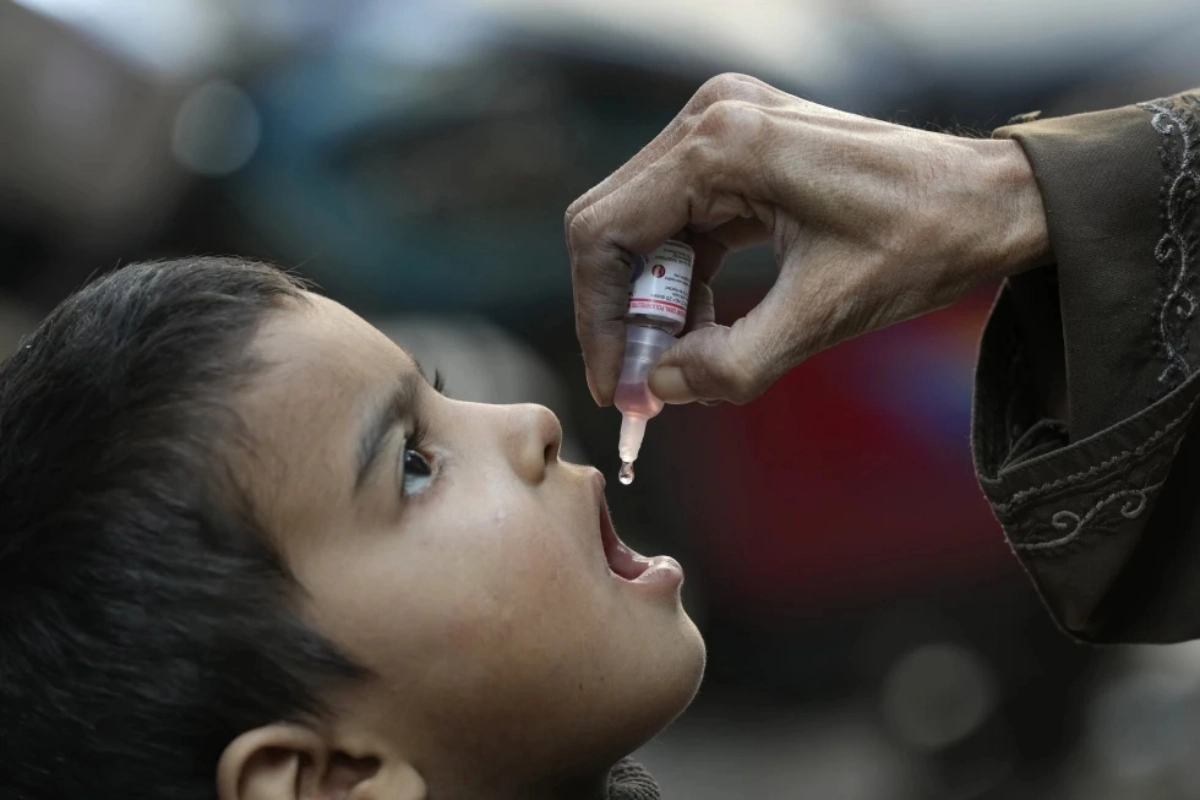

Childhood vaccination programs worldwide have stagnated since 2010, leaving millions of children vulnerable to tetanus, polio, tuberculosis, and other easily preventable diseases.
Protection against measles, in particular, declined in 100 countries between 2010 and 2019, undoing decades of progress, even in wealthy countries that had previously eliminated the highly infectious disease, according to a new analysis of global vaccination trends published Tuesday in the journal Lancet.
“After clean water, vaccination is the most effective intervention to protect the health of our children,” said Helen Bedford, a professor of child health at University College London, who was not connected to the research. She cautioned that there has been a small but worrying increase in the number of parents skipping vaccinating their children in recent years, for reasons such as misinformation.
Bedford noted that in the U.K., that has resulted in the highest number of measles cases recorded since the 1990s and the deaths of nearly a dozen infants from whooping cough. Vaccination rates in the United States are also declining, and vaccine exemptions are at a historically high level.
After the World Health Organization established its routine immunization program in 1974, countries made significant efforts to protect children against preventable and sometimes deadly diseases; the program is credited with inoculating more than 4 billion children, reportedly saving 154 million lives worldwide.
Since the program began, global coverage of children receiving three doses of the diphtheria-tetanus-pertussis vaccine doubled, from 40% to 81%. The percentage of children receiving the measles vaccine also increased from 37% to 83%, with similar increases for polio and tuberculosis.
The WHO said measles cases have increased 11-fold in the Americas this year compared with 2024. Measles infections doubled in the European region in 2024 compared with the previous year, and the disease remains common in Africa and Southeast Asia.
“It is in everyone’s interest that this situation be rectified,” Dr. David Elliman, a pediatrician who has advised the British government, said in a statement. “As long as vaccine-preventable infectious diseases occur anywhere in the world, we are all at risk.”