

The report highlights that disadvantaged communities experience higher rates of exposure to polluted air...
The lack of socioeconomic resources contributes to a vicious cycle that affects not only physical health but also family and financial well-being. More than 33.5 million children 46% of those under 18....
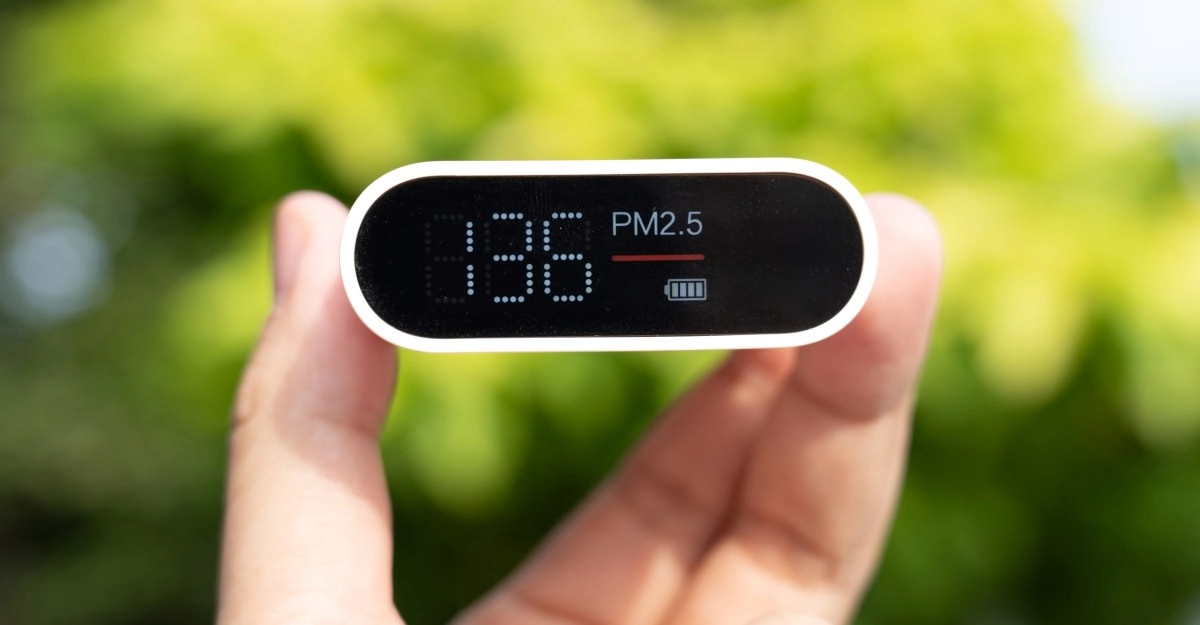

Nearly 152.3 million Americans, roughly half the nation's population, face unhealthy levels of ozone and particulate matter (PM2.5). This phenomenon was documented in the American Lung Association's 2026 "State of the Air" report.
Exposure to these pollutants, especially among communities of color and low-income communities, generates multiple adverse effects on health and well-being.
The report highlights that disadvantaged communities experience higher rates of exposure to polluted air. According to experts, such as Dr. Afif El-Hasan, a board-certified pulmonologist and spokesperson for the American Lung Association, whom ABC interviewed, the lack of socioeconomic resources contributes to a vicious cycle that affects not only physical health but also family and financial well-being. More than 33.5 million children—46% of those under 18—live in areas with failing grades for air quality, which could have long-term consequences for their lung development.
Measures and recommendations for the population
Despite the progress made in regulating air quality since the passage of the Clean Air Act in 1970, ozone pollution has worsened.
The American Lung Association offers recommendations to mitigate risks, such as limiting time outdoors on days with poor air quality, using masks, and improving indoor air quality.
Public health policy needs
The report underlines the importance of maintaining and strengthening public policies related to air quality.
The contribution of each individual to the preservation of clean air is fundamental to ensuring collective health.
Climate change also plays a crucial role in intensifying air pollution, which requires a coordinated response at the national level.
Impact on cognitive and emotional development
Air pollution negatively affects children's cognitive and emotional development, especially during pregnancy and the first years of life. Studies show that pollutants such as NO2 and PM2.5 particles cross the blood-brain barrier, causing brain inflammation and disrupting neuroplasticity.