

Heat waves and cardiovascular risk: an alarming link
For every day with temperatures above 100.4 degrees Fahrenheit (38 °C), the risk of heart disease increases by 3%
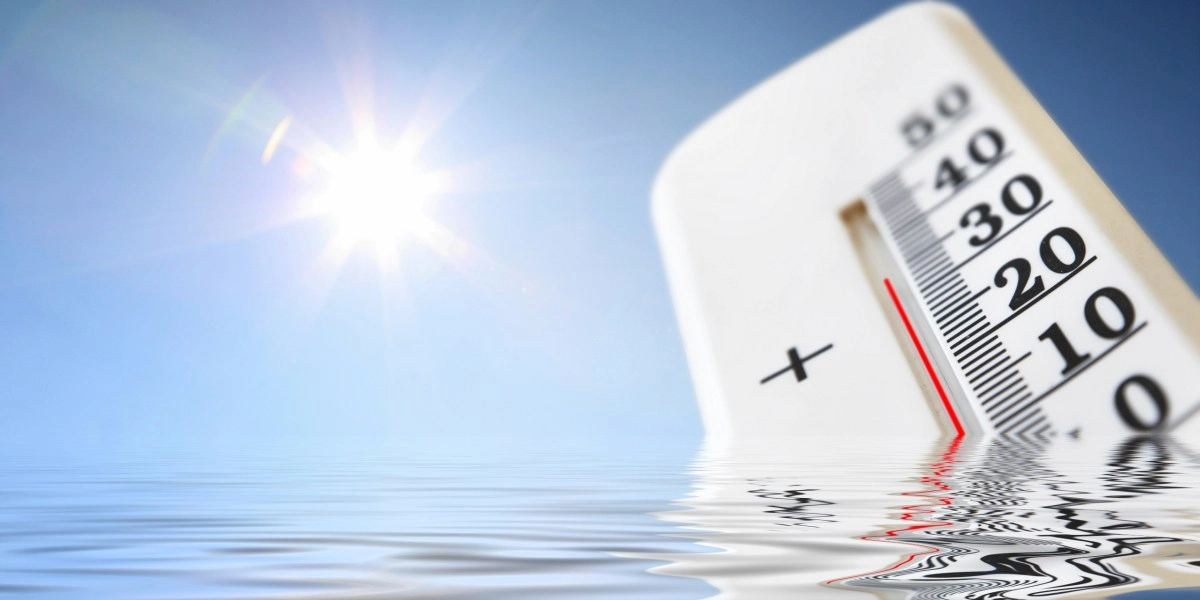

A new report from the American Journal of Preventive Medicine has found a significant relationship between extreme weather conditions and increased heart disease in 157 Chinese cities between 2015 and 2020. Researchers warn that the risk of cardiovascular disease increases considerably with extreme heat, cold, and heavy rainfall.
“In terms “In general, we found that extreme heat and extreme cold were associated with a higher burden of cardiovascular disease at the city level in 157 Chinese cities between 2015 and 2020," Linjiang Wei, one of the study's lead authors and a PhD researcher at Xiamen University, told ABC News. Key findings of the report include: Vulnerable Groups. The study also identified certain groups as being at higher risk. People under retirement age, smokers, those with a high body mass index, and those living in rural areas with high ozone levels are particularly susceptible.
Regional variations show that heat affects eastern areas more, while cold has a greater impact on western areas.
“The relationship between climate change and cardiovascular risk is certainly well-studied, and the environmental factors we have previously analyzed account for at least one in five of the 20 million annual deaths from cardiovascular disease worldwide,” said Dr. Jennifer Miao, a cardiologist at Yale School of Medicine and a research fellow at ABC News Medical Unit.
“I think it's important for patients and their healthcare providers to recognize that environmental risk factors are a significant contributing factor to the development not only of cardiovascular disease, but also lung disease, cancers… everything,” Miao added.
Public Health Implications
The study authors emphasize the seriousness of these findings in the context of climate change. It is estimated that 84% of the days with heat waves between 2020 and 2024 would not have occurred without global warming. This increase in the frequency of extreme weather events poses a growing risk to public health and suggests the need to take extra precautions during these events. Patients are advised to stay hydrated, avoid unnecessary physical exertion,and seek medical attention if they experience worrying symptoms. Weather alerts could be interpreted as cardiovascular health warnings, especially for more vulnerable populations.