

Concern among farmers in the United States by bad season
Although this year the production of soybeans and corn has reached record levels, farmers fear the consequences of tariffs
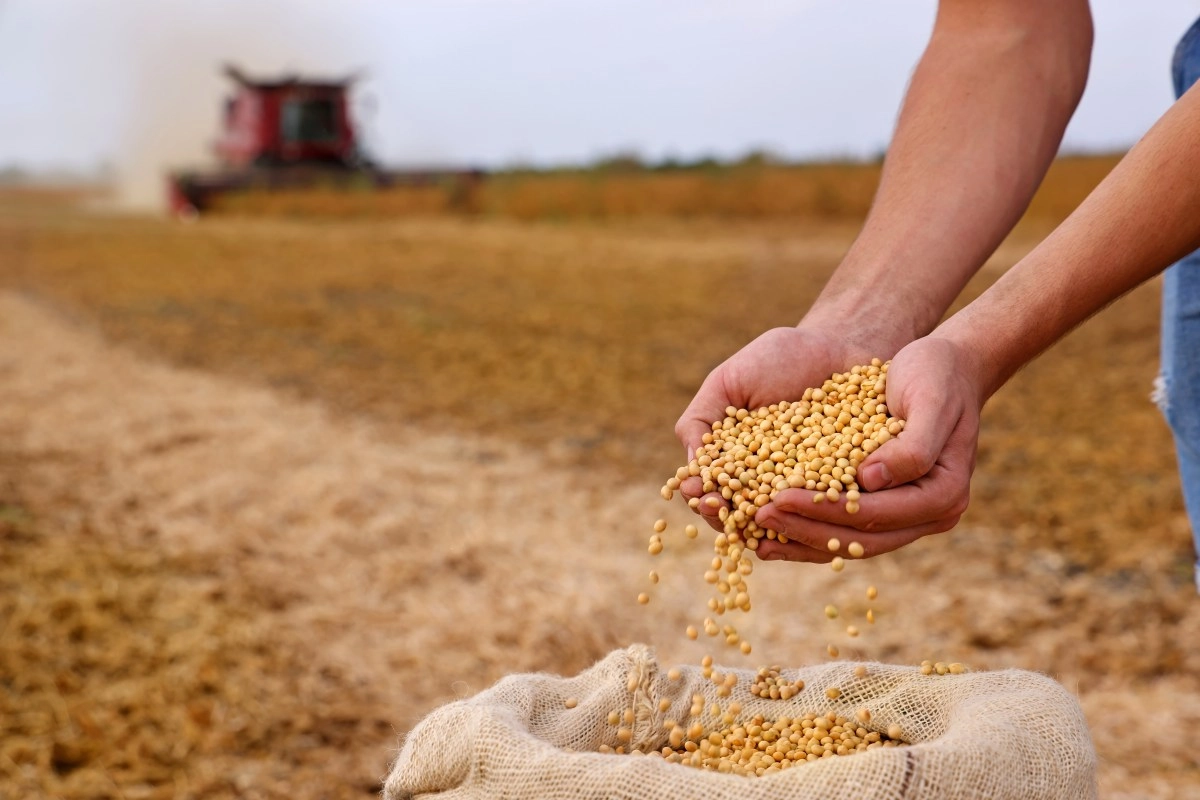

According to a report by the United States Department of Agriculture, it is expected that this year many productions and crops such as soybeans and corn will reach record yields despite the difficulties that the sector has had to overcome in recent years with both climate change and high prices for seeds, fertilizers, pesticides and machinery.
However, this year another concern is added to the farmers' minds, High tariffs. According to Krista Swanson, NCGA's chief economist, "the industry is worried that tariffs could make matters worse by increasing the cost of imports and triggering retaliatory measures from countries that buy U.S. corn," she said. Soybean and corn prices have fallen by approximately 50 percent, due to high production; However, while this could be positive for businesses and consumers, the National Corn Growers Association highlights that the sector is facing “an economic crisis hitting rural America” as profit margins become increasingly negative.
NCGA’s Swanson notes that “when farmers are profitable and the farm economy is strong, we see that ripple effect through the rural economy and beyond, but they often cut back on those areas when times are tough,” referring to the new levies.
According to the American Soybean Association, China imports approximately 60% of the world’s soybean supplies and in the face of the trade war this year has seen its soybean purchases from the country decrease and is instead turning to other markets such as Brazil.
In a statement, ASA stressed that “the further into the fall without reaching an agreement with China on soybeans, the worse the consequences will be for American soybean producers.”
While there are possibilities to explore agreements with other countries such as Indonesia, Malaysia, the Philippines, Mexico, the food economist and professor at Michigan State University,David Ortega noted that “establishing new export markets is not an easy task, and it is still unclear how the peace agreements with various countries will compare with China’s purchasing power,” he said.