

Congressional African American Caucus calls for ending oil blockade affecting Cuba
Members of the Congressional African American Caucus asked Donald Trump to end the oil blockade implemented against Cuba

The Congressional African American Caucus (CBC) expressed its solidarity with Cuba and asked President Donald Trump to lift the oil blockade ordered months ago against the Caribbean island.
The 62 legislators who make up the CBC signed a document addressed to the head of the White House and Marco Rubio, Secretary of State, through which they also urge both officials to withdraw the economic sanctions issued against Cuba.
“Under the oil blockade and the tightening of sanctions imposed by this administration, Cubans are dying,” President Yvette D. Clarke noted in the document.
The members of the CBC are convinced that the tightening of US policy by preventing many products from arriving on the Caribbean island as a pressure measure to force a change of government threatens to trigger a famine, since the standard of living of Cuban civilians suffers a notable deterioration.
A few days ago, Trump returned to his idea of replicating in Cuba an operation similar to the one implemented in Venezuela where he overthrew Nicolás Maduro from the presidency.
Under this approach, the first movement he ordered was to move the American aircraft carrier USS Nimitz from the coast of Rio de Janeiro, Brazil, to Caribbean waters, an action interpreted by some analysts as a preliminary step to a hypothetical offensive on Cuba.
In addition, John Ratcliffe, director of the Central Intelligence Agency (CIA), visited Havana to let the Cuban government know that the Trump administration demanded to implement certain changes on the island.
As if this were not enough, the Department of Justice formally accused former Cuban president Raúl Castro of being responsible for the deaths of four people after ordering two civilian small planes to be shot down over international waters in 1996.
These actions make it difficult for the CBC's appeal to be taken into account by the Trump administration since Cuba is already part of one of the pending issues to be resolved on the presidential agenda.
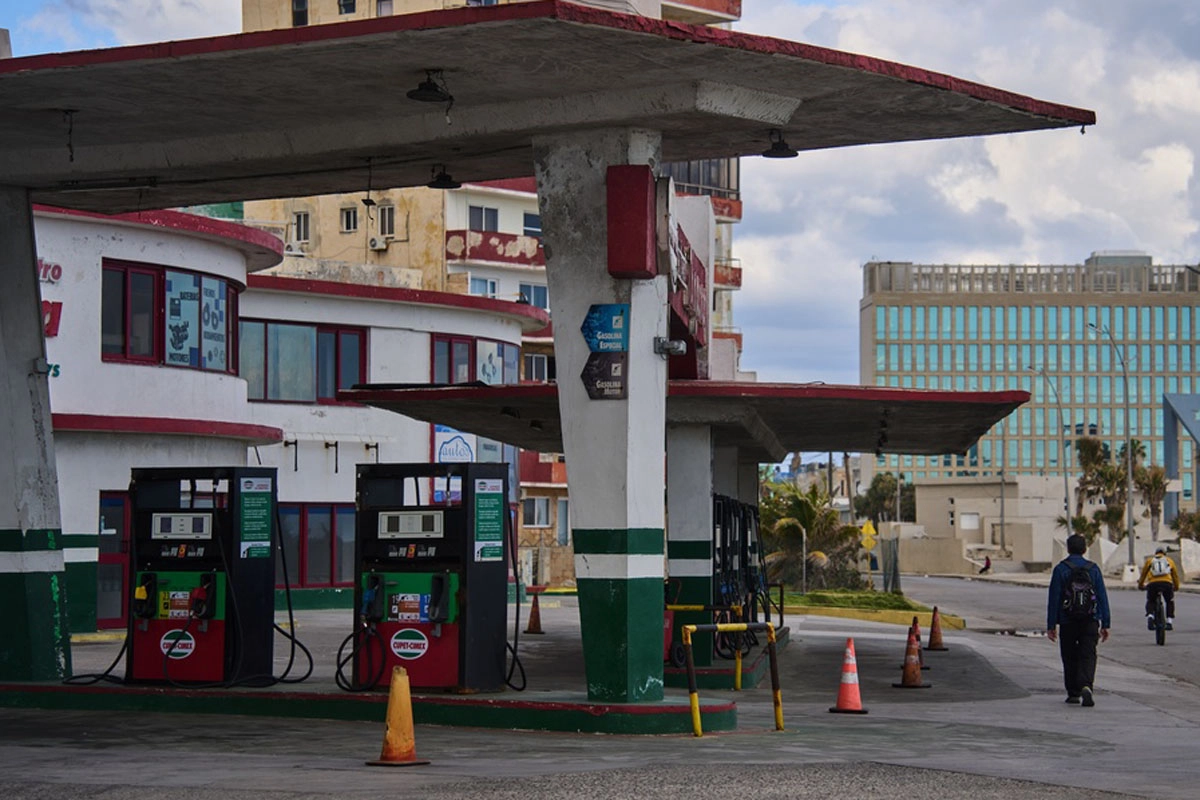
Meanwhile, the situation in the Caribbean nation is increasingly critical due to the lack of fuel as many activities on the island are stopped with a severe impact on the local economy.
In fact, the electricity supply in homes has been reduced to only four hours during the day and at night darkness is mandatory.