

Florida closes the doors of its public schools to thousands of immigrants
The new rules expand educational restrictions and generate criticism for their impact on thousands of young people
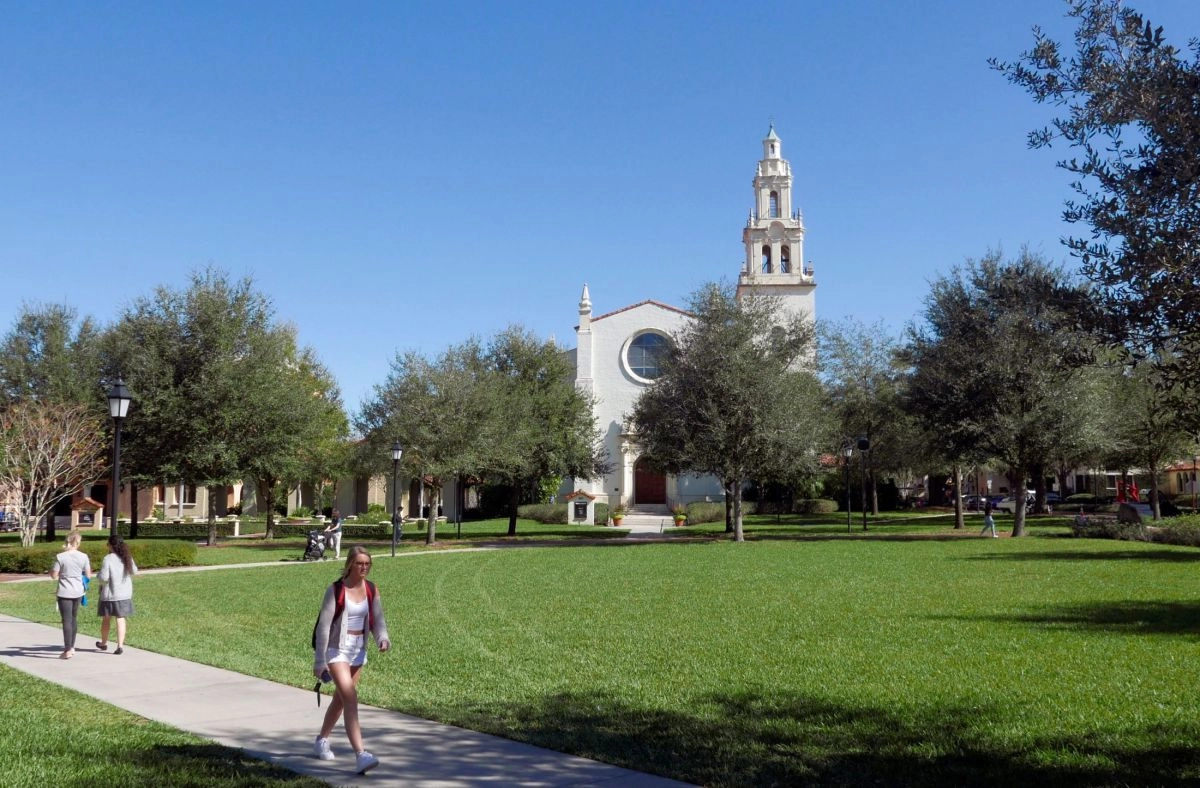

Florida approved this Tuesday a regulation that prohibits irregular immigrants from enrolling in the 28 state university 'colleges', which is expected to affect some 8,000 students without legal status in the US who graduate each year from the state's secondary schools.
The measure will require applicants to prove that they are US citizens or that they are legally in the country to enroll in these “colleges”, which offer technical degrees and, in many cases, four-year bachelor's degrees, while universities have a broader offering of bachelor's degrees, master's degrees, doctorates and research programs.
The Board of Education's decision was adopted in a virtual meeting, in which civil organizations reported that their objections were largely ignored.
A second approved regulation will affect public adult education programs, including preparation courses for the high school equivalency exam (GED) and English for Speakers of Other Languages (ESOL) classes, with the same ban.
Both measures follow a similar decision made last week by the Florida Board of Governors, which began the process to apply the same requirement at the state's public universities.
Currently, irregular students can enroll in Florida's public universities, but they do not have access to federal financial aid and face restrictions that have been tightened in the last two years.
The approval of the regulations today provoked rejection from students and pro-immigrant organizations, who denounced that the measure will close access to higher education for thousands of young people who grew up in Florida.
The measure could cost state coffers about $15 million annually in revenue, according to an analysis by the Florida Policy Institute (FPI).
The Florida Student Power organization assured this Tuesday that dozens of students, residents and business owners participated by telephone in the hearing to express their opposition, although the public comment period concluded before everyone could intervene.
The decision “represents a clear disregard for the voice of Floridians and a direct abandonment of our democratic values,” said Farah Al Jallad, Migrant Justice organizer for Florida Student Power.
Alexander V., a student at the University of Central Florida (UCF) and DACA recipient, said that starting his studies at a state school was the only option he could afford.