

Cuba seeks again to bring a complaint against the US embargo to the UN, accusing pressure to stop the debate
The Cuban Foreign Minister, Bruno Rodríguez, described the White House measures as a "collective punishment" that is already costing lives in the Caribbean territory.
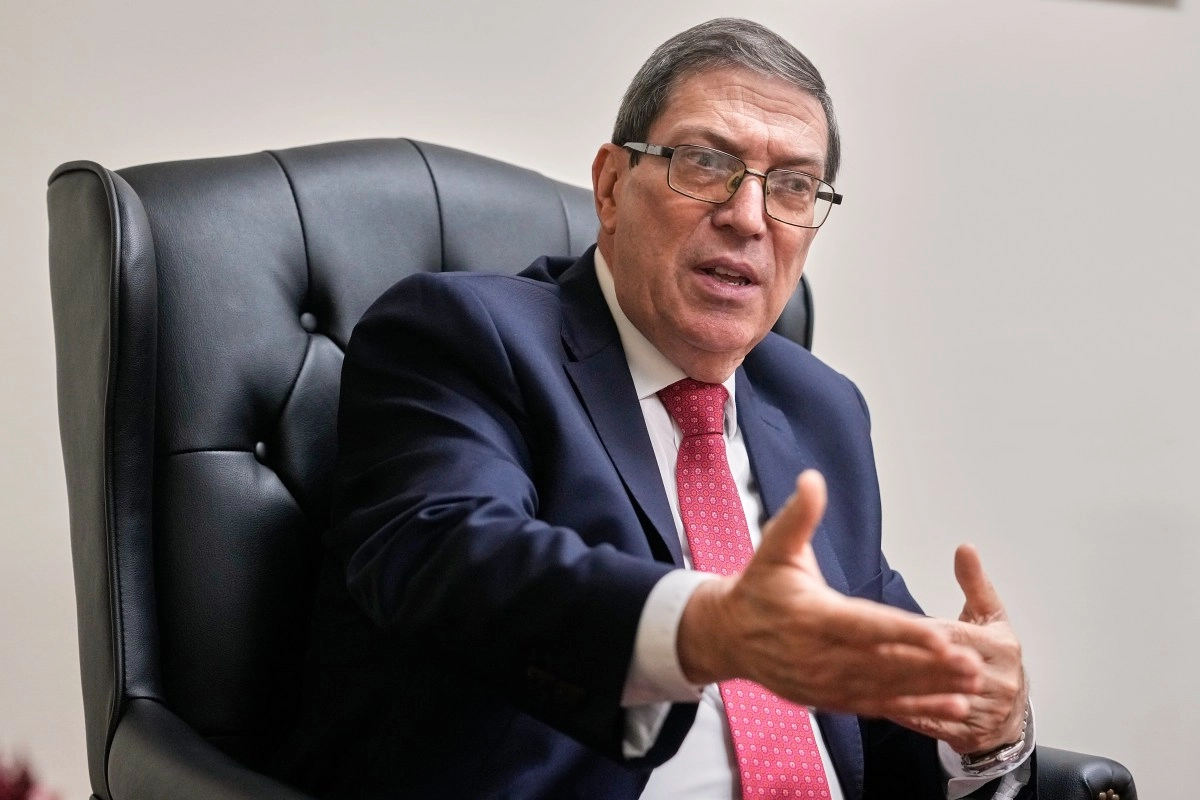

The Cuban government will once again seek the support of the international community against the economic, commercial and financial embargo imposed by the United States by requesting a special session of the United Nations (UN) General Assembly, scheduled for next July 7 in New York. Havana maintains that the tightening of US sanctions has aggravated the island's energy and economic crisis, while accusing Washington of trying to delay the discussion through diplomatic pressure on other countries.
The announcement was made this Tuesday by the Minister of Foreign Affairs of Cuba, Bruno Rodríguez Parrilla, who stated that the session will address the consequences of the embargo and, especially, the restrictions that, according to the Cuban government, limit the country's access to fuel and affect the operation of essential sectors.
According to the chancellor, President Donald Trump's administration has intensified pressure measures since the beginning of this year, including actions aimed at the energy sector, which, he assured, has caused greater deprivation for the population and a deterioration in living conditions on the island.
Rodríguez also denounced that the US State Department, together with its diplomatic representations, has taken steps to convince various UN member states to postpone the debate scheduled for July. According to Havana, these actions seek to prevent the international organization from examining a situation that it considers urgent.
Cuba seeks to reinforce international support
For more than three decades, the UN General Assembly has approved resolutions requesting the lifting of the US embargo against Cuba. Although these resolutions are not binding, they represent broad political support from the international community for the Cuban position.
The next annual vote on the resolution calling for an end to the embargo is scheduled for October 27.
Rodríguez expressed his confidence that the majority of countries will once again support Cuba and reiterated that the government will present complaints to the UN about what he described as an “energy fence” that has contributed to the worsening of the crisis facing the island.
The Cuban president, Miguel Díaz-Canel, also indicated that his government will take advantage of the session to denounce the economic and social consequences of the US sanctions, considering that they directly affect the population. According to data provided by Cuban authorities, the accumulated economic damages due to the embargo exceed $170 billion, although that figure has not been independently verified.
Washington maintains its policy of pressure
The United States has maintained for decades that the embargo is part of its policy to promote democratic changes and greater political freedoms in Cuba. The Trump administration has maintained a line of pressure on Havana through new sanctions and restrictions aimed at strategic sectors of the Cuban economy.
Among the most recent measures are sanctions against people and entities that, according to Washington, collaborate with the Cuban government in areas such as energy, defense, mining and finance.
While the US government argues that its actions seek to limit support for the Cuban regime, Havana rejects that position and affirms that the sanctions constitute a violation of international law and represent a threat to regional stability. The Cuban Foreign Minister insisted that his country remains willing to maintain a dialogue with Washington, as long as national sovereignty is respected and measures that he considers coercive in nature cease.
The session on July 7 will serve as a new scenario for the diplomatic confrontation between both governments, in a context marked by the deterioration of bilateral relations and the persistent economic crisis that Cuba is going through. Although the General Assembly resolutions do not force the United States to modify its policy, Havana seeks to maintain international support and increase political pressure against the embargo.