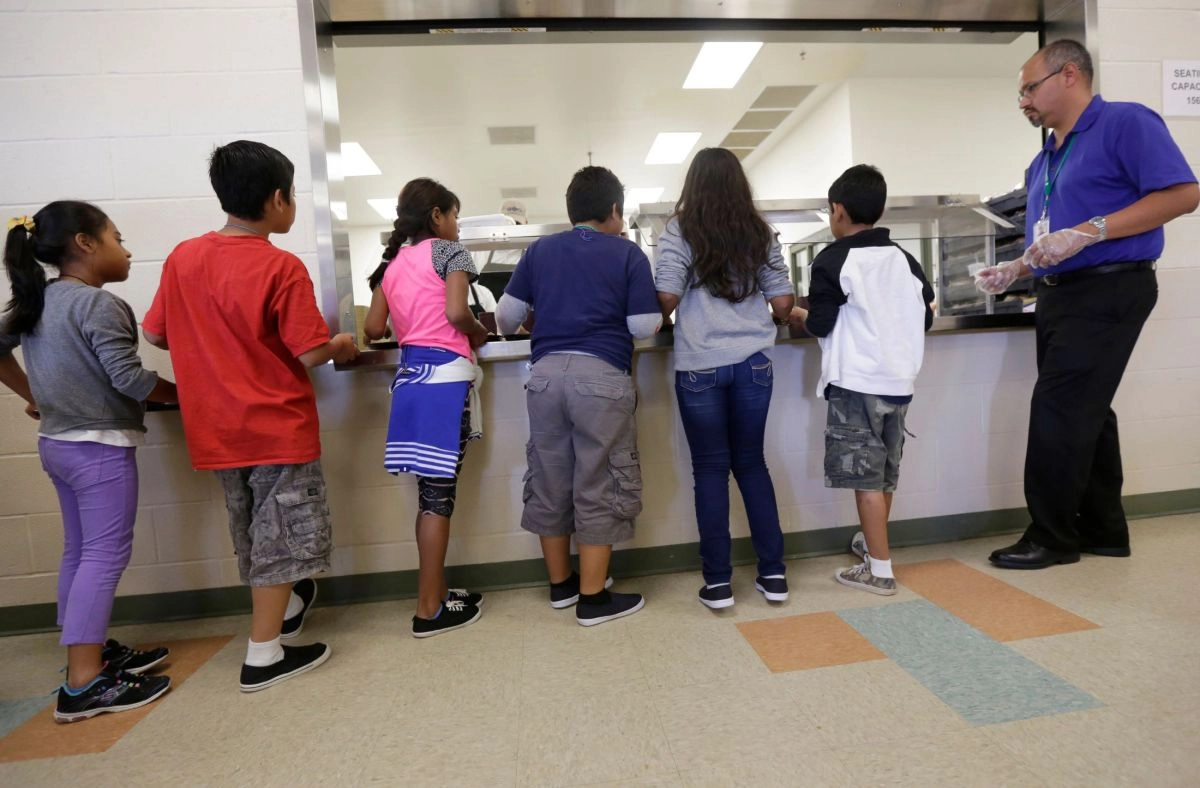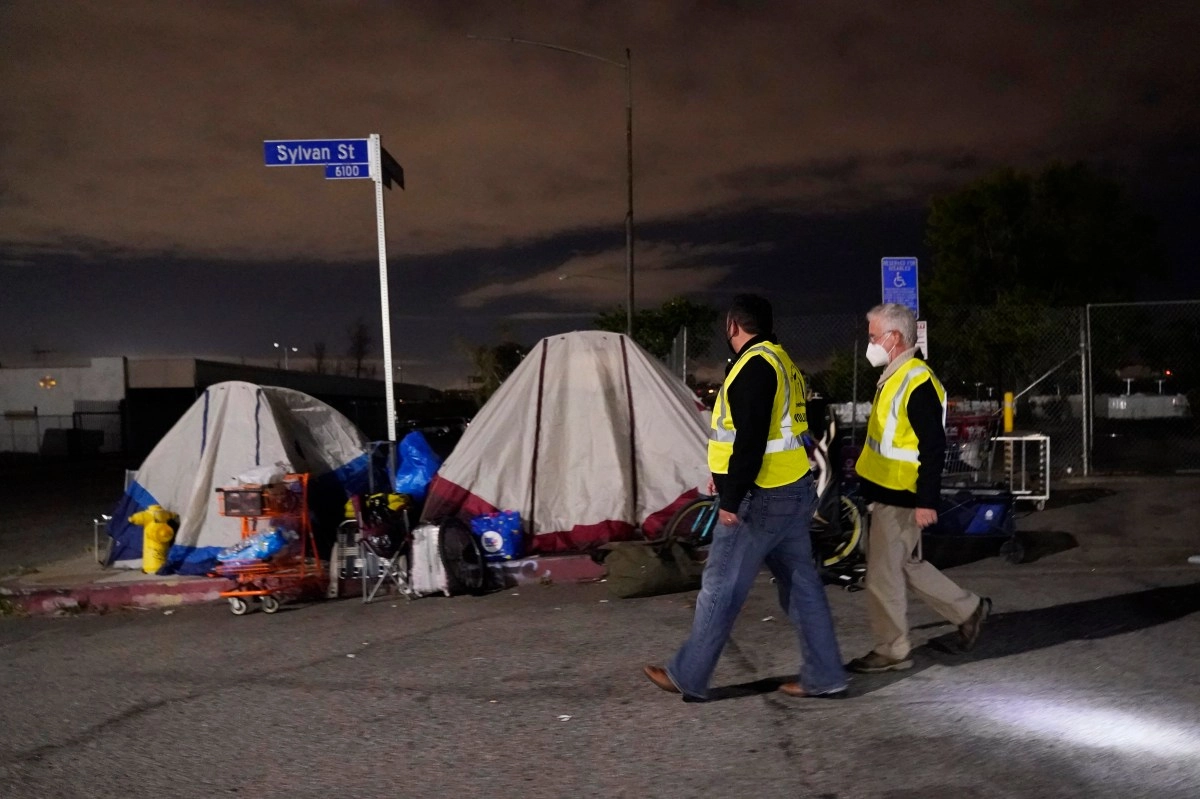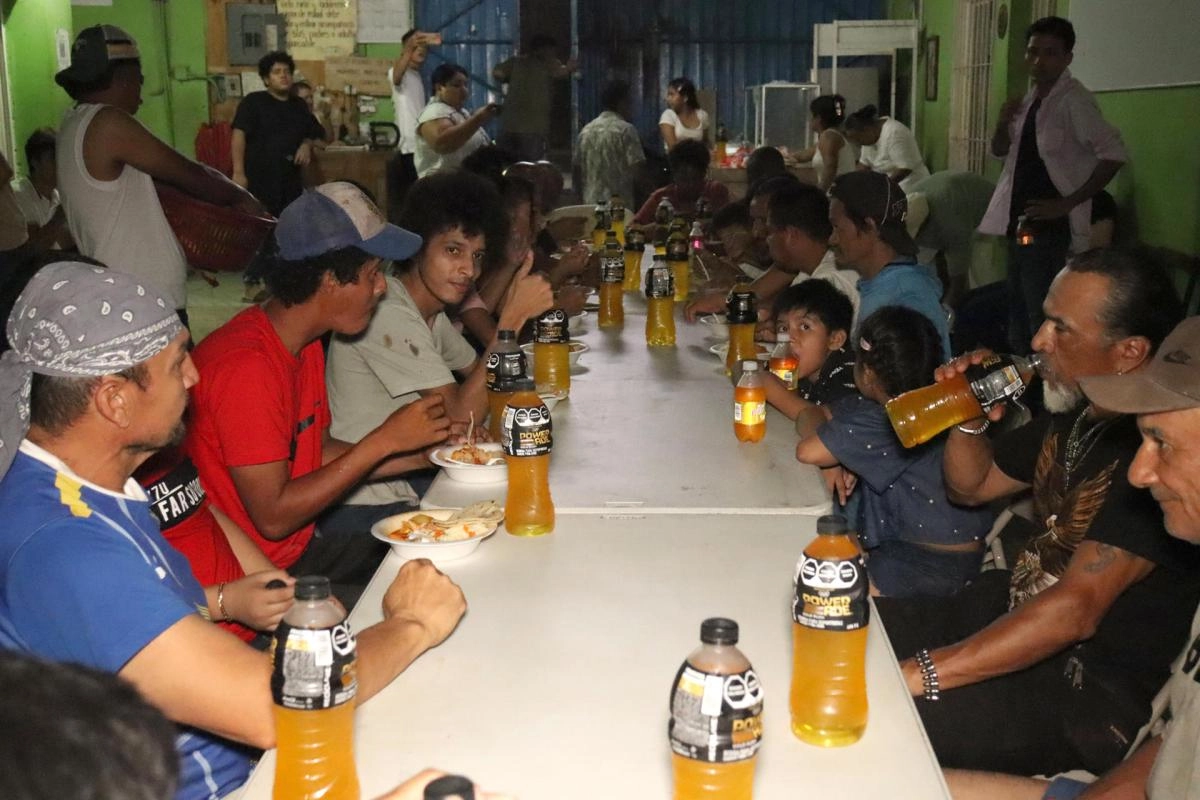

While Mexico remains a key migration corridor, in recent years there has been a significant change, as a growing portion of Immigrants, especially from Central America, Venezuela, Cuba, and Haiti, no longer just transit through, but see Mexico as a viable destination. Despite this, in the border region of Ciudad Juarez and El Paso, Texas, hundreds of migrants who remain in shelters or without a fixed place to live are spending the holiday season far from their homes, marked by immigration uncertainty, lack of employment, and family separation. In Ciudad Juarez, shelters like the Pan de Vida soup kitchen have begun receiving migrants again who tried to leave these to rent housing or look for work spaces, but who, due to a lack of documents and job opportunities, have returned. “It is a very sad situation for all the migrants who are currently on the streets, and especially those who are being deported,” explained Ismael Martinez, a representative of the shelter. The phenomenon, he said, includes people who were in shelters one or two years ago and who are now returning after being deported from the United States, "many They look for work to live in a rented house, but it's almost impossible; it's not so easy to find a job because they lack the necessary documents, forcing them to stay in shelters or on the streets. The holiday season also intensifies the emotional burden since "there's no money to buy Christmas gifts for the children, toys, or clothes; the situation is very difficult for them," said Martinez. Among those experiencing this reality is Lida Reyes, a Honduran migrant who is staying in a shelter in Juarez with three of her children, while her mother and other relatives remained in her country. Reyes explained that her original plan was to cross into the United States, but it wasn't possible, and he recalled how they celebrated Christmas in Honduras. “We had chicken and roast pork leg for dinner,and the children's entertainment is the fireworks. own house,” she said.
On the southern border, the same scenario
On the Mexico-Guatemala border, hundreds of migrants also face Christmas and the holiday season on the streets, in shelters, or in the so-called "cuarterias," where they rent rooms, far from their families.
The Coordinator of the Jesuit Refugee Service (JRS) in Tapachula, America Perez, spoke with EFE and said that these are emotional times for migrants, when they remember their families, who are far from home and have left their country of origin, waiting for paperwork, jobs, and even living in shelters or on the streets.
“Many people spend these holidays on the streets, even in immigration detention centers, people who don't have food and who don't know how to celebrate because they don't have the tools or resources to meet their needs,” she explained.
Amin Sanchez Hernandez, a migrant from Honduras who is in Tapachula, explained that she is sad because she doesn't have her family nearby, only a son who attends school, and she makes friends in groups of migrant women.
“Where I am, I'm staying with a woman, in a house; I'm settled in Tapachula now, I've been here for two years and I haven't “It's bad being here (Tapachula), I feel good,” she told EFE. Meanwhile, Maria Mercedes, also a Honduran migrant and mother of a three-year-old and another in her arms, expressed feeling sadness and nostalgia spending these December holidays with her children and partner, gathering with other migrant families from different countries in a rooming house, far from home. “It's very difficult, you're separated from your family, it's always very important to be with family and to be united,” she said. Carmen, a Cuban migrant, noted that Christmas is an especially difficult time, in which emotions and feelings intensify due to being far from home and family, and that If you add to that the mistreatment in Mexico, the situation “makes migrants more vulnerable.” "In Mexico there is a lot of discrimination; you struggle for acceptance, there is a lack of employment and resources, the paperwork takes a long time,and everything depends on having a stable economy and integrating into the community," she revealed. On both sides of the Mexican border, migrants are experiencing a different Christmas, far from their countries and their families, clinging to the hope of stability, work, and a better future for their children, but amidst uncertainty.