

Indio Solari, the legendary leader of Los Redonditos de Ricota and a legend of Argentine rock, died
Indio Solari died at the age of 77. Central figure of Argentine rock, he left an indelible mark on Latin American music. I had Parkinson's
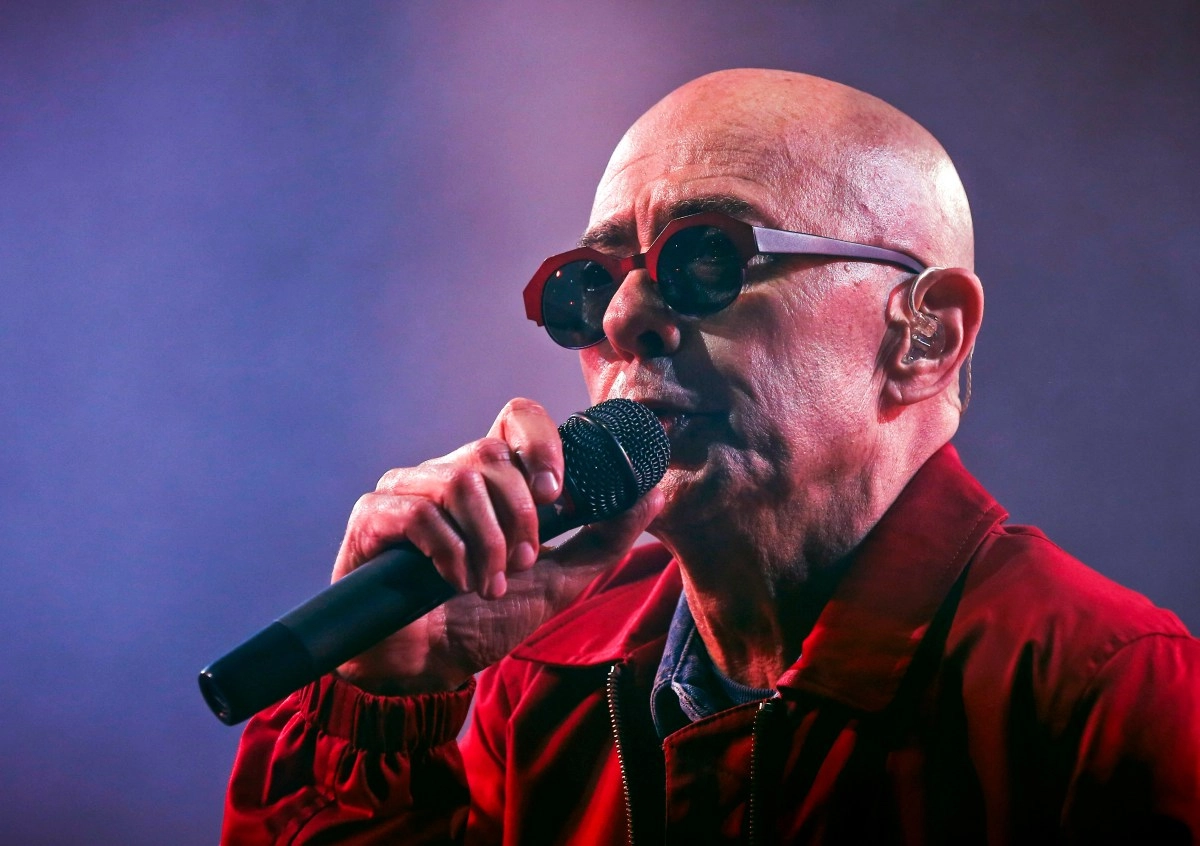

Carlos Alberto “Indio” Solari, singer, composer and founder of Patricio Rey y sus Redonditos de Ricota, died this Thursday at the age of 77. The news was confirmed by different Argentine media and put an end to one of the most influential, enigmatic and convening careers of music in Spanish.
The musician had been suffering from Parkinson's disease for a decade, a diagnosis he made public in 2016 during one of his last great recitals. According to Argentine media, he spent his last hours at his home in Parque Leloir, accompanied by his family.
With his death, one of the most recognizable voices of Latin American rock disappears, but also the creator of a cultural phenomenon that transcended music and marked several generations.
From La Plata to legend
Born on January 17, 1949, Solari became a central figure in Argentine culture after founding Patricio Rey y sus Redonditos de Ricota in the 1970s with Eduardo “Skay” Beilinson. The band began as an alternative project and ended up becoming one of the most influential and convening groups in the history of Argentine rock.
For more than two decades, Los Redondos built a unique relationship with its audience. Without major promotional campaigns, without depending on television and with a strong identity of their own, they managed to fill stadiums and generate a loyalty rarely seen in Latin American music.
Albums like Oktubre, Un baión para el Ojo Idiot, Lafly y la sopa and Luzbelito are part of the Argentine rock canon and continue to be listened to by millions of people.
The phenomenon of “ricotera masses”
Few bands generated such intense identification with their followers as Los Redonditos de Ricota.
Each recital became a true pilgrimage of fans coming from different parts of the country. Over the years, these concerts began to be known as “ricotera masses,” an expression that reflected the cultural and emotional dimension that the phenomenon reached.
Indio's lyrics, loaded with images, metaphors and open readings, helped build a mystique that survived even after the group split in 2001.
A successful solo career
After the dissolution of Los Redondos, many doubted that it could maintain the same level of attendance. However, it surprised again.
Together with The Fundamentalists of Air Conditioning, he began a new artistic stage that produced successful albums and massive concerts. Albums such as El Tesoro de los Innocents, Porco Rex and Pajaritos, Bravos Muchachitos consolidated a solo career that kept his capacity for mobilization intact.
Even when he began to step away from the stage for health reasons, he continued publishing music, books and messages for his followers.
Parkinson's and retirement from the stage
In March 2016, during a recital in Tandil, Solari publicly confirmed that he suffered from Parkinson's, a neurodegenerative disease that progressively affected his artistic activity.
His last major in-person recital took place in Olavarría in 2017, a massive show that was marked by a tragedy with fatalities and that ended up becoming the closing of an era for the musician.
In subsequent years he reduced his public appearances, although he continued to participate in musical projects from his Parque Leloir studio and maintained contact with his followers through publications and special collaborations.
An artist who transcended music
Indio Solari was much more than a singer. For millions of followers it represented a way of understanding culture, rebellion, artistic independence and the relationship between musician and audience. His figure generated admiration, debates, controversies and an influence that reached several generations of artists.
Few Argentine musicians managed to build such an influential work without submitting to the traditional rules of the entertainment industry.
The end of an era
The death of Indio Solari closes one of the most important chapters in the history of Argentine rock.
His songs, his lyrics, the albums that left their mark on millions of people and a cultural mark that can hardly be repeated remain. From the small theaters of La Plata to the massive recitals that brought together hundreds of thousands of people, his artistic journey forever transformed Argentine popular music.
For his followers, El Indio was much more than a rock star. He was the voice of a generation and the symbol of a phenomenon that will survive long beyond his absence.