

“Iran will never have a nuclear weapon,” says JD Vance after the announcement of the peace agreement with the US.
The vice president explained that the final memorandum stipulates the "immediate and toll-free" reopening of the Strait of Hormuz
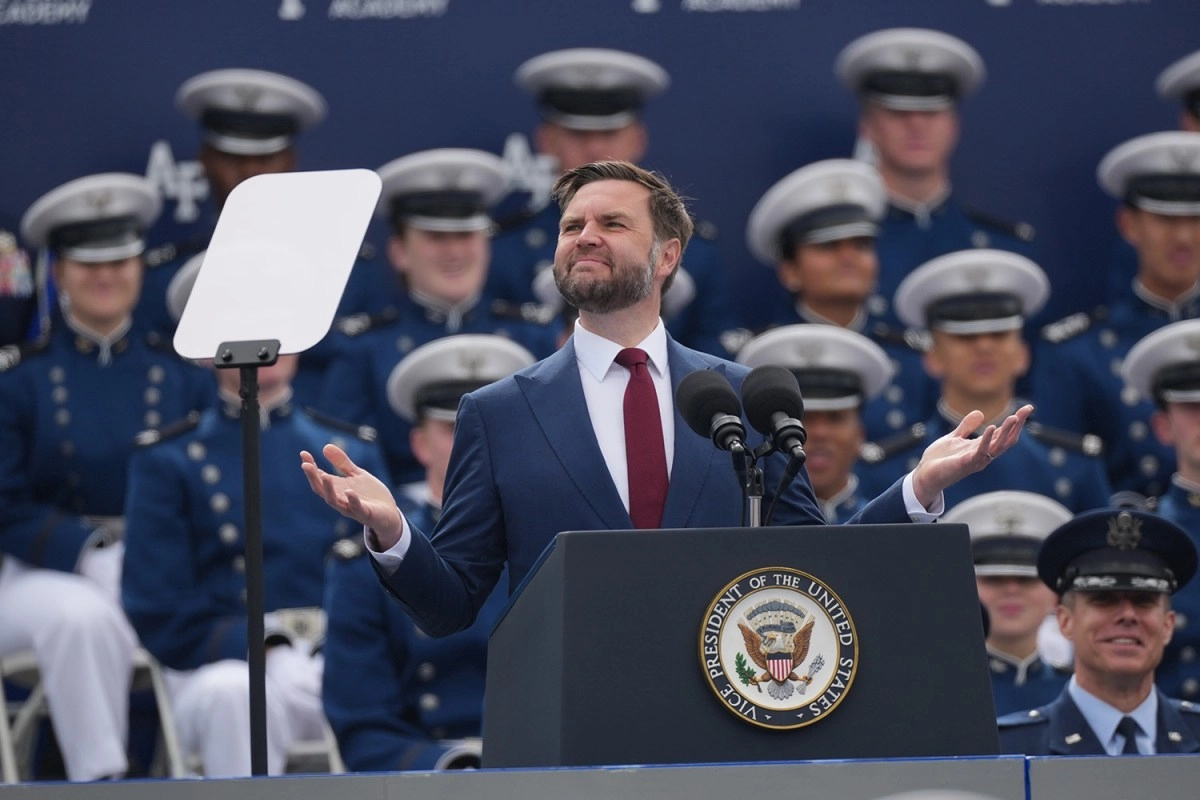

Vice President JD Vance assured this Sunday that Iran “will never have a nuclear weapon” after the announcement of a peace agreement between Washington and Tehran that seeks to end more than 100 days of armed conflict and restore stability in one of the most sensitive regions for world security.
During an interview with Fox News, Vance described the understanding reached between both countries as a significant victory for American foreign policy and maintained that the pact represents progress towards one of the main strategic objectives of President Donald Trump's administration.
"I think we can safely and confidently say that Iran will never have a nuclear weapon. We have a lot of work to do, but we achieved a great victory tonight," the vice president declared.
The agreement was announced simultaneously by US, Iranian and Pakistani officials, who confirmed that the official signing is scheduled for June 19 in Switzerland. Although the full terms of the document have not been disclosed, both sides say the understanding provides for a permanent cessation of hostilities and measures aimed at restoring maritime trade in the Persian Gulf.
Reopening of the Strait of Hormuz and end of hostilities
One of the most relevant aspects of the agreement is the immediate reopening of the Strait of Hormuz, one of the most important energy routes in the world and through which approximately a fifth of the oil traded globally transits.
As Vance explained, Iran agreed to unblock the sea passage that it had closed in retaliation for the US and Israeli military operations that began at the end of February. In exchange, Washington will lift the naval blockade imposed since April on vessels entering or leaving Iranian ports.
The conflict began on February 28, when a joint US-Israeli offensive led to the death of Iranian Supreme Leader Ayatollah Ali Khamenei, who had ruled the Islamic Republic since 1989.
After Khamenei's death, Iran named his son, Mojtaba Khamenei, as his successor and responded with attacks against Israeli targets and countries in the region that host US military bases.
The military escalation raised tension in the Middle East and caused sharp fluctuations in international energy markets due to the closure of Hormuz.
Pakistan played a key role in the negotiation
Pakistan Prime Minister Shehbaz Sharif confirmed that his country acted as the main mediator in the negotiations that led to the agreement. Sharif reported that the talks also had the diplomatic support of Qatar, Saudi Arabia and Türkiye, countries that participated at different times in the process to bring positions between Washington and Tehran closer.
“We are pleased to announce that a peace agreement has been reached between the United States and the Islamic Republic of Iran,” said the Pakistani president in a message broadcast from Islamabad.
According to Sharif, both sides agreed to immediately and permanently end military operations on all fronts linked to the conflict, including the Lebanon theater. For his part, the Iranian Vice Foreign Minister, Ali Gharaibabadi, confirmed that the final text of the memorandum of understanding has already been concluded and assured that it will be published soon so that the Iranian population knows the commitments made and the benefits obtained during the negotiations.
Doubts persist about the content of the pact
Despite the optimism expressed by the governments involved, there are still numerous questions about the specific commitments that both parties will make.
The Trump administration had insisted for months that any agreement must guarantee that Iran definitively renounced developing nuclear weapons. Tehran, for its part, has repeatedly maintained that its nuclear program is for peaceful and scientific purposes.
Iranian demands included the lifting of economic sanctions and access to billions of dollars in frozen assets abroad, issues for which no official details have yet been revealed.
Vance also announced that he plans to attend the signing ceremony in Switzerland and did not rule out Trump's presence at the event. “We are still defining the logistics, but it is possible that the president himself will also attend,” he said.
While more details of the agreement are awaited, international markets and allied governments are closely observing the implementation of a pact that could redefine the political and economic balance in the Middle East after more than three months of war.