

Pete Hegseth reportedly ordered a second attack on a vessel to leave no survivors
The operation was carried out in the Caribbean on September 2, after an initial attack failed to kill all the passengers
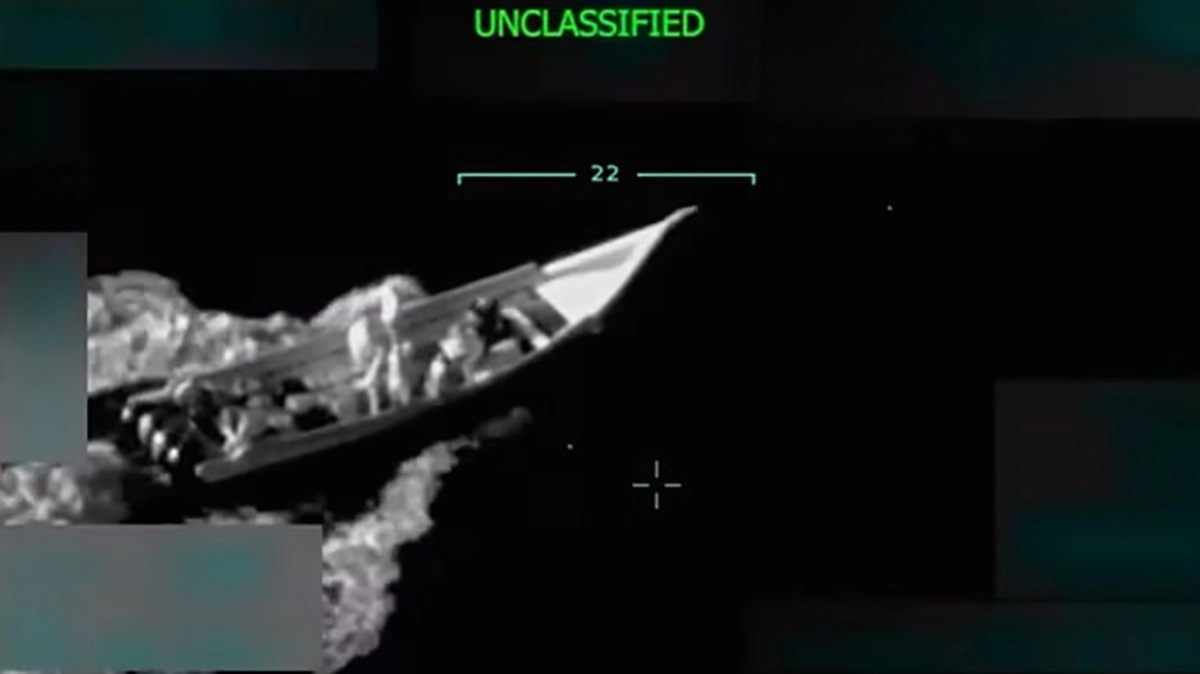

The US military reportedly carried out a second attack that resulted in the deaths of survivors on a vessel that had already been attacked, according to sources who spoke to The Washington Post.
The operation was carried out in the Caribbean on September 2, after an initial attack failed to kill all the passengers. That September attack was the first in what became a regular series of attacks against suspected drug traffickers. While the first attack appeared to disable the ship and cause fatalities, the military assessed that there were survivors, according to sources. The second attack killed the remaining crew members on board, bringing the total death toll to 11, and sank the ship. Defense Secretary Pete Hegseth had ordered the military before the operation to ensure the attack killed all passengers, but it is unclear whether he knew there were survivors before the second attack, according to one of the sources. President Donald Trump announced the attack and the deaths that same day, but the administration has never publicly acknowledged the deaths of any survivors. Trump declared on Thursday that ground actions to stop alleged drug trafficking networks in Venezuela could “begin very soon,” amid continued questions about the legality of the US military campaign in Latin America. Authorities have admitted they did not know the identities of all the people aboard the ships before they were attacked, CNN reported. “I have been alarmed by the number of vessels this administration has decommissioned without even consulting Congress,” Democratic Representative Madeleine Dean told CNN this week. "Just last week, as a member of the State Department, I reviewed some documents in a SCIF [Shared Confidential Information Facility] regarding the sinking of these ships and the murder of their occupants. There was no evidence of what was happening."
Those briefed on the double attack expressed concern that it could violate international humanitarian law, which prohibits the execution of an enemy combatant who is “hors de combat” or withdrawn from combat due to injury or surrender.
“Either way, they are breaking the law,” said Sarah Harrison,former associate general adviser at the Pentagon and current senior analyst at the Crisis Group think tank. “They are killing civilians, and if they are assumed to be combatants, that is also illegal: under the law of armed conflict, if someone is 'horses of combat' and can no longer fight, they must be treated humanely,” he said. In a post on Truth Social announcing the September 2 attack, President Donald Trump claimed that the US military had conducted “a kinetic strike against positively identified Tren de Aragua narco-terrorists in the Southern Command area of ??responsibility.” The administration has attempted to legally justify its attacks on the vessels by claiming they were transporting individuals linked to approximately two dozen drug cartels engaged in armed conflict with the United States. The White House has repeatedly asserted that the administration's actions are “fully compliant with the Law of Armed Conflict,” the area of ??international law designed to prevent attacks against civilians. However, many legal experts argue that the alleged drug traffickers are civilians, not combatants. combatants, and that, therefore, the attacks constitute extrajudicial killings.
Before the US military began detonating vessels in September, the fight against drug trafficking was handled by law enforcement and the US Coast Guard, and cartel members and drug traffickers were treated as criminals entitled to due process.
However, in a classified legal opinion issued during the summer, the Justice Department argued that the president is legally authorized to authorize lethal attacks against 24 cartels and criminal organizations in self-defense, as these groups pose an imminent threat to Americans, CNN reported.
This argument has been potentially undermined by the behavior of the alleged drug traffickers who have been targeted: in at least one case, a vessel had turned around and was sailing away.