

Sony and Tencent reach a private agreement and the Horizon clone disappears from stores
Light of Motiram is no longer available in major online video game stores
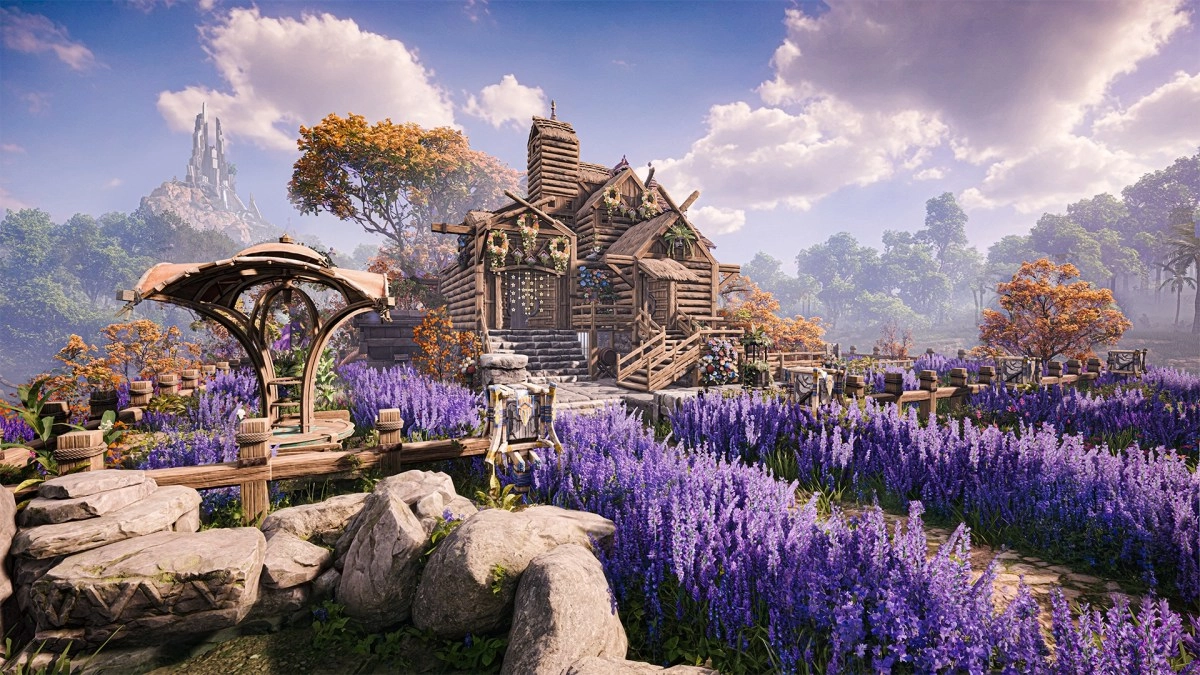

Sony and Tencent have ended their legal battle over Light of Motiram, the game Sony accused of being a blatant clone of the Horizon series. After months of filing lawsuits, both companies have reached a confidential agreement and the case has been dismissed by the court, meaning the legal battle is over. The juiciest part for the press and the community, however, is precisely what remains unknown: the terms of the out-of-court settlement have not been made public, and neither party wants to discuss the matter further.
Sony vs. Tencent: End of the Horizon “Clone” War
The story formally began in July 2025, when Sony Interactive Entertainment sued Tencent in a California federal court to block the release of Light of Motiram, developed by a studio associated with the Chinese giant. In the lawsuit, Sony accused the game of infringing its copyrights and trademarks by copying key elements of the Horizon franchise, from the setting to the way the protagonist and mechanical creatures were presented. As the months passed, the conflict escalated: Tencent responded with its own legal strategy and publicly defended Sony's claims about Horizon's originality, calling them "surprising" and questioning whether the similarities justified a lawsuit of this magnitude. However, new court documents filed in mid-December reveal that both parties have notified the judge that they reached a confidential settlement and requested a dismissal with prejudice, meaning a definitive dismissal, with each company assuming its own legal costs. This dismissal with prejudice closes the door to them litigating the same issues again in the future, at least in this jurisdiction. A secret agreement with many unanswered questions: The only thing clear right now is the legal framework: the case is officially closed and archived, and the court documents state that there will be no further procedural actions because the parties have resolved their differences out of court.That's where the transparency ends; from that point on, everything important remains behind a wall of confidentiality: the amount of money (if any), any possible concessions regarding the game's design, or any commitments regarding future releases have not been revealed. A Tencent spokesperson for the Americas confirmed to the media outlet that both companies are satisfied to have reached a confidential resolution and will not make any further public comments on the matter, which fits with typical corporate strategy when there are sensitive agreements regarding intellectual property. At the same time, there are very visible signs that the blow has been hard for the project: Light of Motiram has been removed from Steam and the Epic Games Store, and its official online presence has been frozen for months, with no new updates or signs of life, which suggests that, at the very least, the game will not see the light of day in the short term.
Was Light of Motiram a “Horizon wannabe”?
The controversy didn't originate in the courts, but in the trailers: from its announcement, Light of Motiram attracted attention (for the wrong reasons) for showing a post-apocalyptic world populated by enormous robotic creatures shaped like animals, vast natural landscapes dotted with technological ruins, and a hunter protagonist with an aesthetic very similar to Aloy, the heroine of Horizon. These visual similarities, along with details like the tall grass for stealth, the primitive weapons combined with advanced technology, and even the marketing tone, led the community to quickly dub it "the Chinese clone of Horizon."
Sony echoed this sentiment in its lawsuit, describing Light of Motiram as a "blatant imitation" or "slavish clone" that copied the copyrighted audiovisual elements of Horizon Zero Dawn, Horizon Forbidden West, and even the recent Lego Horizon Adventures, including the world design, the appearance of the machines, and the way the protagonist was presented in promotional materials.
Tencent, for its part, argued that the game focused more on survival and its own mechanics, and even went so far as to call Sony's claims about the absolute originality of its franchise exaggerated, although it never managed to shake off the clone stigma in the public eye. Beyond the legal tug-of-war, Tencent attempted to lessen this perception by modifying the game's Steam listing: it changed descriptions that sounded almost identical to those of Horizon and replaced screenshots that highlighted the most striking similarities, in an attempt to create aesthetic distance between the two titles. But these cosmetic adjustments didn't prevent the case from ending in a private settlement, nor have they helped the game remain on the main PC digital stores. Ultimately, what remains for players and studios is a fairly clear message, albeit shrouded in secrecy:If you get too close to the visual and narrative DNA of a major franchise like Horizon, the reputational and legal costs can be enormous, even if it never reaches a public verdict. And while Sony and Tencent close ranks and look toward future collaborations, Light of Motiram becomes, at least for now, the perfect example of how an overly obvious "clone" can end up disappearing before it even hits the market.