

Supreme Court rules in favor of Exxon Mobil claiming assets confiscated in Cuba
The oil company Exxon Mobil filed a multimillion-dollar complaint against the Cuban state entity Corporación Cimex for the confiscation in 1960
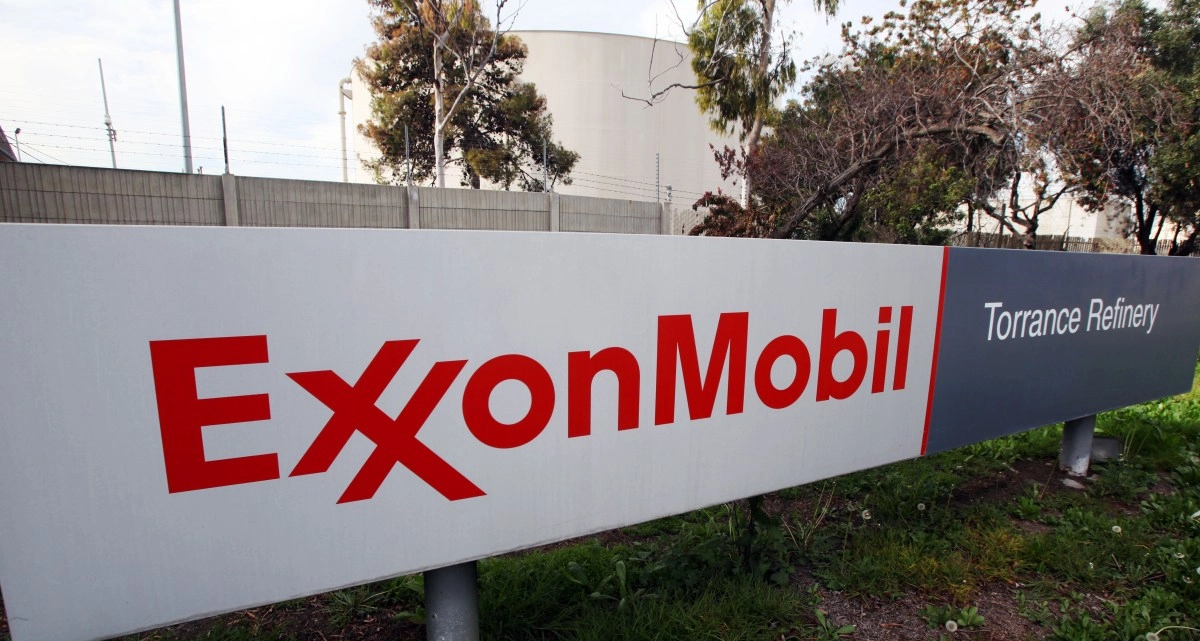

The Supreme Court of the United States ruled this Tuesday in favor of the American Exxon Mobil, the largest oil company in the world, being able to continue with its lawsuit against the Cuban Cimex Corporation to request compensation for assets confiscated by the Government of Cuba in 1960.
The high court considers the prevalence of the federal Cuban Freedom and Democratic Solidarity law of 1996, also called the Helms-Burton Act, over the so-called exception of the Foreign Sovereign Immunities Act of 1976 (FSIA) that protected foreign states and their entities.
Exxon's lawsuit can now continue its course in court and provides further impetus to the possibility that foreign companies can demand compensation for said expropriations on the island.
By six votes in favor and three against, the Supreme Court ruled that the FSIA Law, which limits the role of the judiciary in civil litigation against foreign states and their agencies, “does not apply to lawsuits” filed in cases like this one.
For this reason, the Helms-Burton Act of 1996 prevails, which lifts the “foreign sovereign immunity of Cuban agencies and instrumental entities” so that compensation claims can be filed against them.
The American oil company Exxon Mobil filed a multimillion-dollar complaint against the Cuban state entity Corporación Cimex for the confiscation in 1960 of its assets on the island, which included a refinery and more than a hundred service stations, for which the company did not receive compensation.
In May, the US Supreme Court validated that the construction company Havana Docks, owner of docks in Cuba that were confiscated decades ago by the Castro government, was compensated by cruise operators who used those piers in recent years, under the Helms-Burton law.
The American Havana Docks sued four shipping companies (Royal Caribbean Cruises, Norwegian Cruise Line Holdings, Carnival Corporation and MSC Cruises) that used stops built in the port of Havana between 2016 and 2019.
The Helms-Burton law establishes in its title III, the one used today by the Supreme Court, that every legal entity or citizen of the United States (which includes Cubans who later became American citizens) “owns the claim” on property confiscated after 1959, the year of the triumph of the Castro revolution on the island.
In the brief of argument, the magistrates explained that “the entire architecture of the Helms-Burton Act establishes that said law lifts the foreign sovereign immunity of Cuban agencies and instrumental entities, and does not require Exxon to also comply with any of the exceptions to foreign sovereign immunity provided for in the FSIA.” EFE