

Tariffs would help natural Christmas trees sell better
Tariffs on artificial trees raise prices and could boost demand for natural trees in the US, according to producers and experts
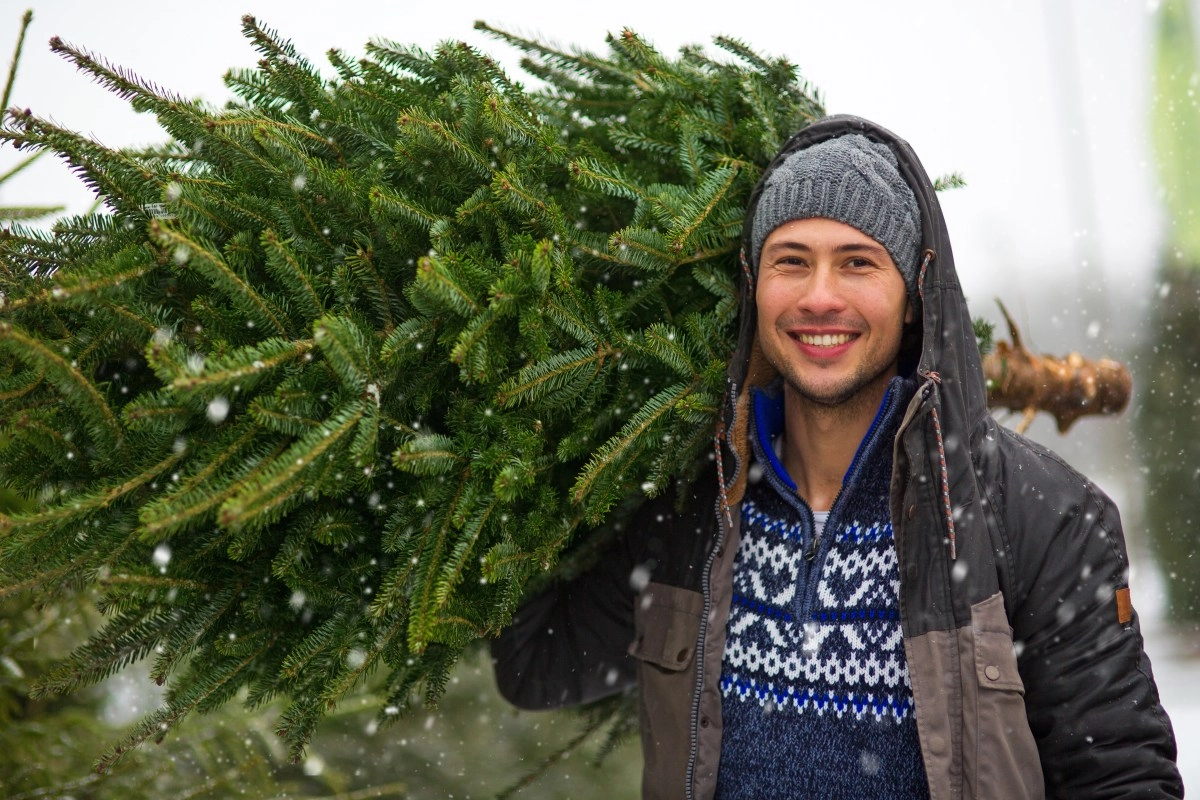

The idea that tariffs would help natural Christmas trees sell better has gained traction among US producers. The increase in the cost of imported artificial trees, a result of trade measures implemented by President Trump, is creating an unexpected scenario. For the first time in years, farmers who grow real pine trees see an opportunity to regain ground against the overwhelming popularity of artificial trees. In Michigan, activity is intense at Dutchman Tree Farms. More than 1,500 workers cut and pack thousands of pine trees. This year they will ship more than 500,000 natural trees to homes across the country. “Our wish is for people to have a natural Christmas tree grown in North America in their home,” said Scott Powell, one of the managers of this family-owned operation on more than 9,000 acres, in an interview with CBS News. “Duty-free, grown by families.” While Powell says his trees haven't gone up in price, the situation is different for artificial ones. Most are manufactured in Asia and are now subject to tariffs that, according to Chris Butler, CEO of National Tree Company, “have basically gone from zero to between 20% and 30%, depending on the country of origin.” Butler acknowledges that his company has had to pass some of that cost on to consumers. He explains that a $100 artificial tree now costs between $10 and $15 more because of the tariffs. “Whatever price you saw last year, expect it to be 10% to 15% higher this year,” said Mac Harman, founder of Balsam Hill, a company that sells artificial Christmas trees. Even with the increase, Butler notes that many Americans are still choosing artificial trees. The American Christmas Tree Association reports that 83% of those planning to put up a tree in 2025 will choose an artificial one. However, it also notes that shoppers will feel more pressure this year.Supply chain costs and tariffs will push prices up. That's why business owners like Butler are lobbying lawmakers to reduce tariffs. They point out that their industry should receive the same treatment as products like coffee, mangoes, or avocados, which were exempted because they are not produced locally, since those raw materials are also not manufactured in the United States. Harman, for his part, explains that almost all artificial trees come from China. Although manufacturing costs haven't changed, what is paid at U.S. customs has. The owner of Balsam Hill also clarifies that manufacturing these products in the United States is not viable. He explains that the process of hand-placing thousands of lights is meticulous and that 30 years ago, American workers rejected that type of work. “It’s highly unlikely that something almost like basket weaving will become a trade that returns to the United States for the first time,” he notes. The impact of the tariffs has forced artificial tree manufacturers to cut staff, freeze hiring, and adjust wages. They have also diversified their production centers to Mexico, Indonesia, and other regions. On the other hand, the atmosphere at natural tree farms is optimistic. Many American families travel each season to choose a real pine tree. The experience of the trip, the family time, and nature—that emotional connection—is their greatest advantage, the farmers point out. The next few weeks will be crucial. Artificial trees will increase in price, and there will be less inventory in some stores. Harman warns that waiting for discounts could be a bad idea. For those who prefer a natural tree, this scenario opens a new window of opportunity. This time, and as rarely seen in the Christmas market, tariffs could temporarily level the playing field and give local farmers a boost they haven't seen in decades.