

The blows that women's reproductive health suffered in the US in 2025
National Women's Law Center presented a summary of the bills that prevented the right to contraception, as well as those who fought to achieve it
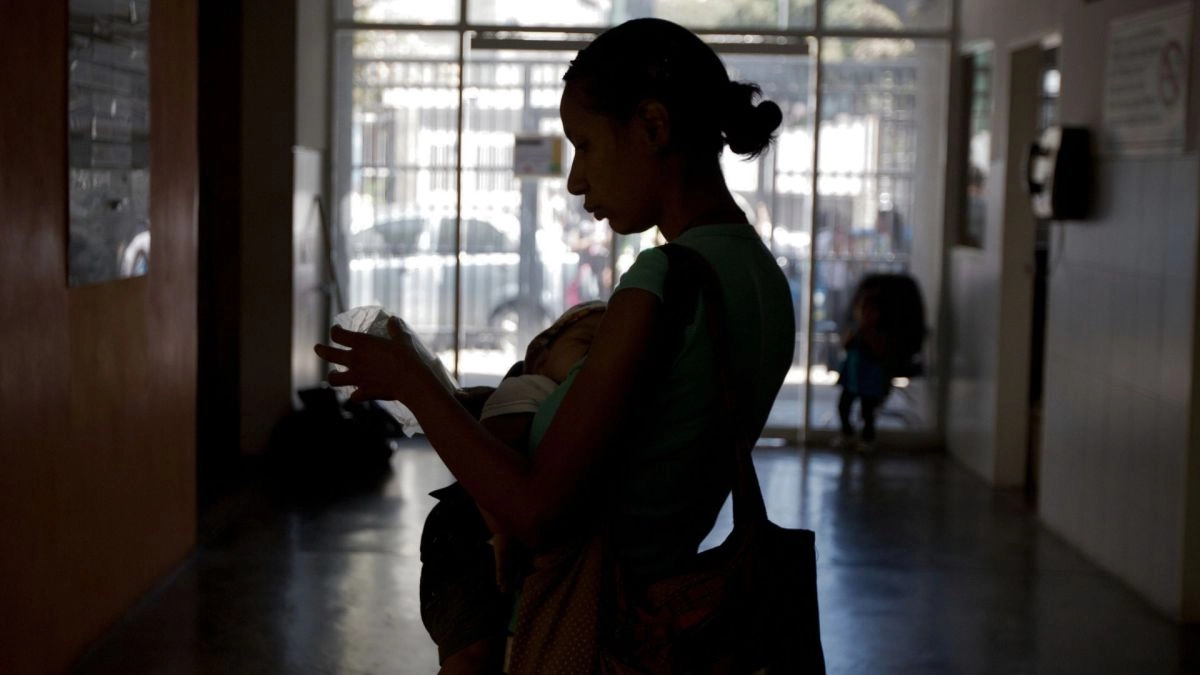

2025 became a year of struggle regarding women's reproductive health, as several states sought to prevent certain legislation from taking effect that aimed to eliminate the rights of American women to their health.
The National Women's Law Center (NWLC) conducted an assessment of everything that happened in 2025 regarding reproductive health and contraception. When the Supreme Court overturned Roe v. Wade in 2022, it eliminated the right to birth control and access to contraception, and a series of measures were introduced that weakened reproductive health rights.
Some states tried to protect the few remaining rights
In some states, legislators led efforts to protect the few rights women had, as they were increasingly threatened. Some bills introduced by members of Congress sought to eliminate abortion. The NWLC explained that this year in South Carolina, a bill called the "Unborn Child Protection Act" was introduced, which sought to grant legal rights from the moment of conception with the purpose of completely prohibiting abortion. According to the organization, this South Carolina bill has been the most "restrictive and dangerous" to date. Furthermore, it criminalized patients who had abortions, as well as providers and those who supported the decision, with civil penalties. The same bill included definitions of contraception and contraception that were deemed erroneous, confusing women and leading them to believe that emergency contraception would be illegal. In February, it seemed the South Carolina bill would not advance, but in September 2025, state extremists accelerated the bill, and during a hearing on October 1, there was powerful opposition and public testimony, but not all experts were able to testify. The proposal did not advance in the Subcommittee hearing. which ended with a 2-3 vote, and four of the six Republicans on the panel refused to vote.”
Indiana bill for low-income people
In Indiana, they tried to restrict access to contraception.Representative Jim Lucas introduced a bill to create a new birth control program in the state for low-income people.
After the bill was introduced, Representative Joanna King offered an amendment to restrict birth control, eliminating condoms, emergency contraception, implants, and IUDs, according to the organization's annual report.
“At the state level, more bills are being introduced that allow healthcare providers and institutions to deny care based on personal reasons,” they noted.
Tennessee healthcare vs. personal beliefs
In July of this year, a bill was passed in Tennessee to allow healthcare providers, including individuals, institutions, and insurers, to refuse to participate in or pay for medical procedures, treatments, or services that conflict with their personal beliefs.
Tennessee passed a bill to enshrine the right to birth control and fertility care in state law. The bill was sponsored by Representative Iris Rudder and Senator Becky Massey and was passed unanimously by the Senate.
Republican Governor Bill Lee signed the bill, despite attempts by Tennessee House members to veto it, but it went into effect in July 2025.
According to the report, laws on the right to contraception were introduced in at least twelve states in 2025. However, failed to pass laws on the right to contraception in at least eleven states across the country.
Virginia vetoed a law on the right to contraception
Virginia Governor Glenn Youngkin vetoed a law on the right to contraception. While state advocates continue to lead the way in expanding access to contraceptive methods.
Meanwhile, in Maryland, advocates helped pass a bill creating the Maryland Collaborative to Advance Implementation of Over-the-Counter Birth Coverage, which aims to help ensure that people have a birth.
The next step Maryland is working on is to require insurance coverage for over-the-counter contraceptives, and the bill will study barriers to obtaining over-the-counter contraceptives and pharmacy availability.
“Everyone deserves the right to and access to contraception, without barriers, judgment, or misinformation. This right must be free from coercion and political influence,” NWLC emphasized.
Women's reproductive health advocates continue working to protect and expand access to contraception, information, and, when necessary, abortion if the mother's life is in danger.
Note: This article was the last one published by our contributor Roxana Navarro, who passed away unexpectedly. Her text is published to honor her memory and her work.