

Which U.S. cities have free public transportation
More and more cities in the U.S. are offering free public transportation, a measure that benefits millions of workers and families
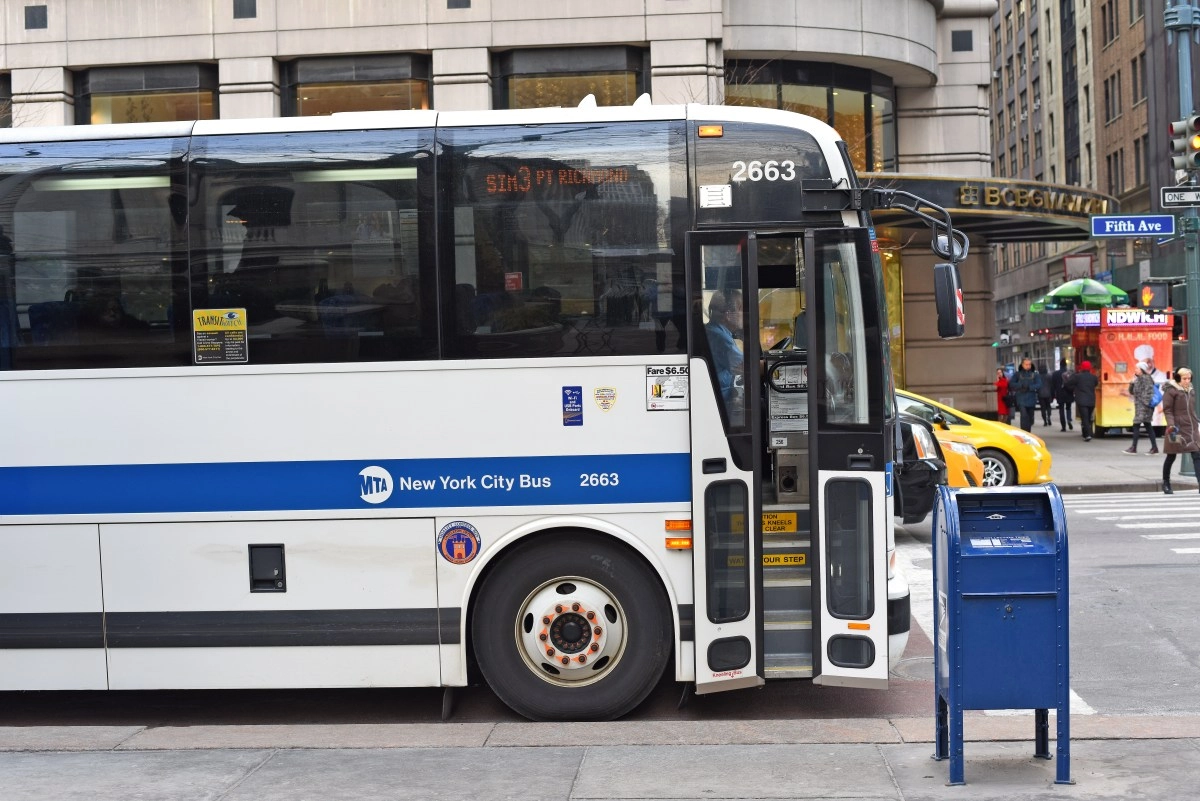

Knowing which U.S. cities have free public transportation is key for millions of workers and families who depend on this service daily. Free transportation represents economic relief, reduces dependence on cars, and facilitates access to employment, education, and public services. However, as with everything the government offers at no direct cost, these programs are sustained by taxpayer money, representing a collective investment to improve mobility and the quality of urban life. Free public transportation doesn't just mean saving a few dollars a day. For commuters, it represents hundreds or even thousands of dollars less per year in transportation costs. Furthermore, it encourages the use of public transportation over private cars, reducing traffic, pollution, and fuel consumption. This also requires infrastructure that meets the needs and demands it will generate. And all of this costs taxpayers, even those who don't use it, just like any other social benefit they may never need. According to the U.S. Department of Transportation, more than 5.97 billion trips were made on public transportation in 2020. Although the figure fell compared to the 9.9 billion in 2019, the trend toward eliminating fares seeks to win back passengers and promote cleaner, more accessible mobility. Kansas City, Missouri, was the first city to completely eliminate public transportation fares, implementing a free system on streetcars and buses. Its success has served as an example for other communities, which have seen this measure as a tool to support low-income workers and revitalize local economies. Currently, several cities in the United States have adopted the fare-free transportation model, either on specific routes or across their entire system. These are some of them: It is important to clarify that the free service varies depending on the type of transportation or the routes.In some cities, it only applies to local buses or streetcars, while in others it covers the entire public transportation system. Cities like New York are considering pilot projects to offer free transportation in certain neighborhoods. With the arrival of new local authorities, the debate about its financing and viability is gaining momentum. For workers, students, and low-income families, this measure can make the difference between making ends meet or not. Free public transportation is, ultimately, an investment in social equity, environmental health, and urban development. Although the cost is distributed among taxpayers, the benefit multiplies in more connected, less congested communities with greater opportunities for all. You may also be interested in: