

WHO confirms 8 cases of hantavirus on Hondius cruise, but maintains low risk for public health
The World Health Organization maintains its assessment on the outbreak, which it rates as serious but contained and the global risk remains low
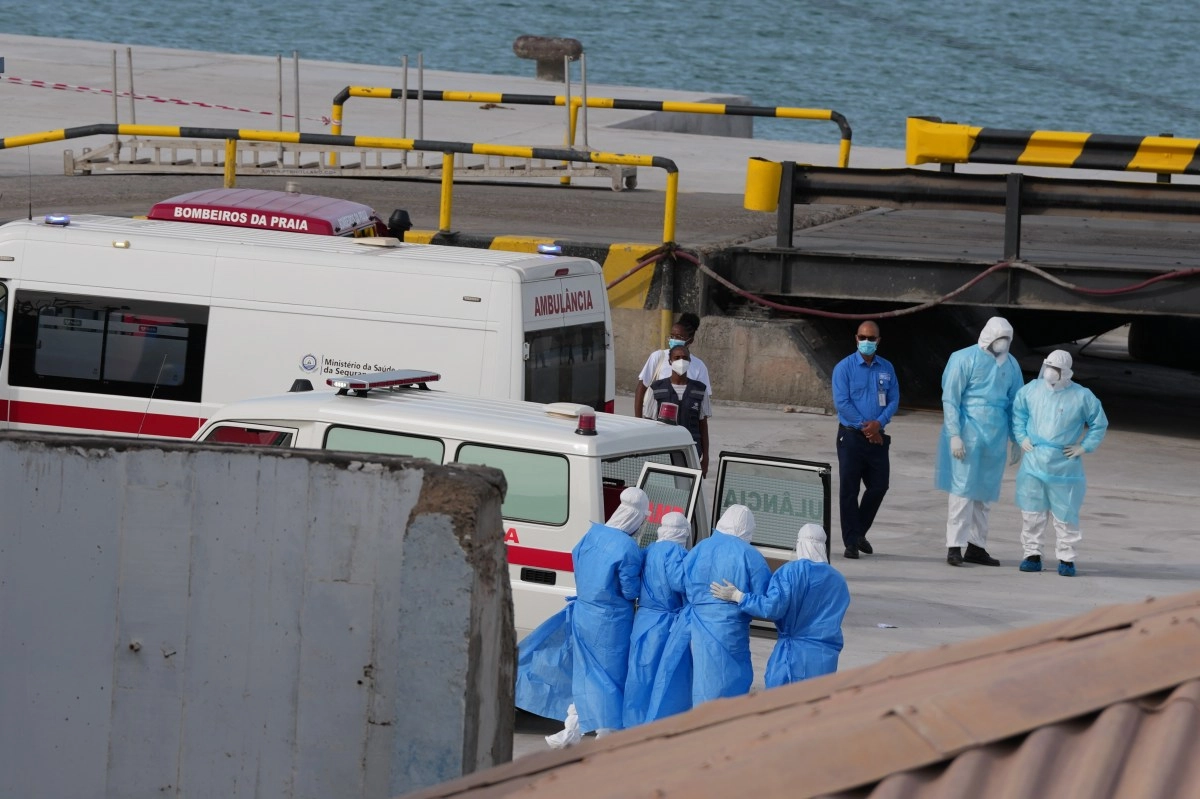

The World Health Organization confirmed that the hantavirus outbreak linked to the Hondius cruise numbers eight cases, including three deaths, while maintaining that “the overall risk to public health remains low”.
The most recent case corresponds to a passenger who returned to Switzerland after the trip and is currently receiving medical care in an h Zurich hospital. His diagnosis adds to an international alert that involves multiple countries and health organizations.
“In accordance with the International Health Regulations, the WHO is working with the affected countries to support international contact tracing,” the agency in social networks, underscoring the importance of tracing and monitoring of exposed people.
So far, three of the 147 passengers have died since the cruise ship left Argentina for the South Atlantic. In addition, other patients have been evacuated to Europe to receive specialized treatment.
The director-general of the WHO, Tedros Adhanom Ghebreyesus, reiterated that, despite the severity of some cases, “the overall risk to public health remains low”.
Preliminary investigations point to that the first infections occurred before boarding. However, limited transmission between passengers has not been ruled out, especially because it is the Andean hantavirus, a rare variant.
According to recent reports, this strain is “the only known hantavirus strain that can be transmitted from person to person,” although mainly in close-contact settings.
What is hantavirus and how is transmitted
According to the Centers for Disease Control and Prevention, hantaviruses are a family of viruses that can cause serious diseases such as hantavirus pulmonary syndrome (HPS).
“The hantavirus spreads mainly through rodents… especially through exposure to their urine, excrement,or saliva,” explains the organism.
The CDC stresses that, in most cases, it does not transmit between people, although they recognize that the Andes virus is a documented exception.
Symptoms may appear one to eight weeks after exposure and include fever, fatigue, and muscle pain, followed in severe cases by respiratory distress.
Additionally, there is no specific treatment against hantavirus, so medical care focuses on symptom management and respiratory support.
However, experts agree that, although the event is unusual, it is still controllable. The WHO has insisted on reinforcing epidemiological surveillance without generating alarm.