

Operation Sindoor: Indian Pilots Return Safely as Pakistan’s Defense Minister Retracts Claims Amid Escalating Tens
All Indian pilots return safely after Operation Sindoor. Pakistan’s Defense Minister retracts earlier claims amid escalating tensions.
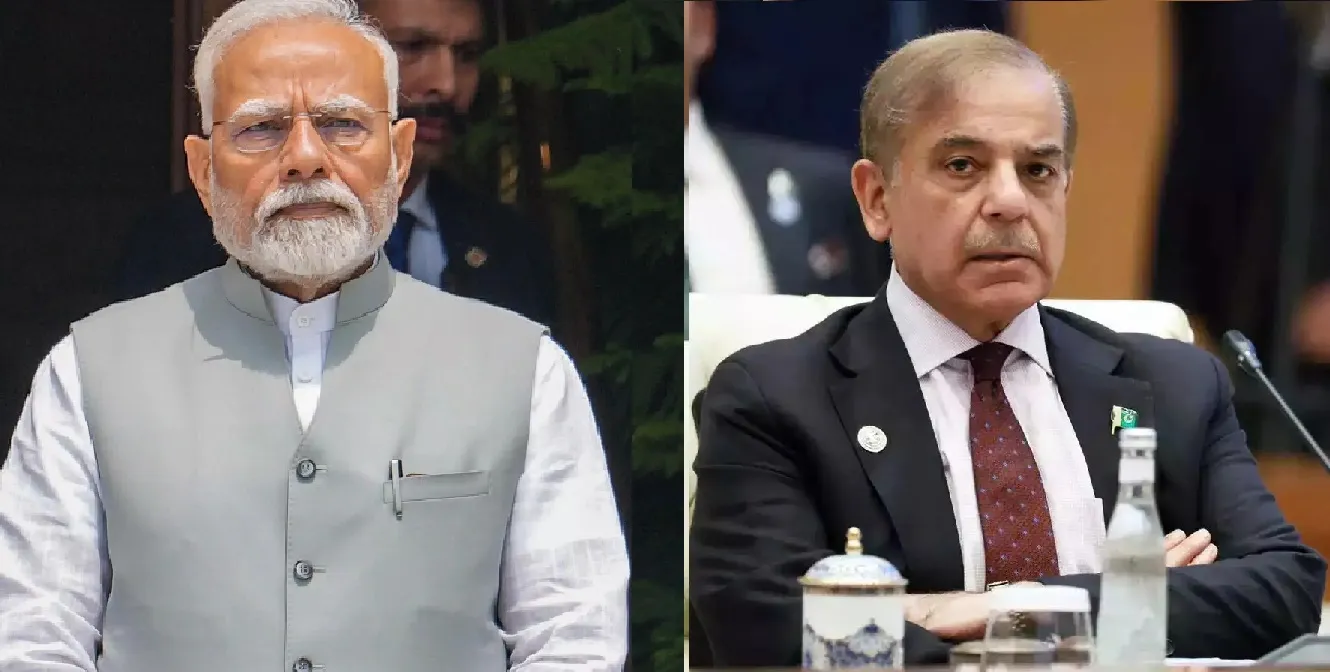

In the aftermath of Operation Sindoor, a strategic military initiative launched by India, all Indian Air Force pilots and fighter jets have reportedly returned safely to their bases. This development comes amid heightened tensions between India and Pakistan, following a series of air strikes targeting terrorist infrastructure in Pakistan and Pakistan-administered Kashmir.
Operation Sindoor: A Calculated Response
Operation Sindoor was initiated by India as a direct response to the Pahalgam terror attack, which claimed the lives of 26 civilians, including women and children. The Indian government attributed the attack to Pakistan-based militant groups and authorized a series of air strikes aimed at dismantling terrorist training camps and infrastructure. The operation was executed with precision, utilizing advanced weaponry and intelligence to minimize collateral damage while delivering a strong message against terrorism.
Pakistan’s Initial Claims and Subsequent Retraction
Following the Indian air strikes, Pakistan's Defense Minister, Khawaja Asif, initially claimed that Pakistani forces had shot down multiple Indian fighter jets and taken Indian soldiers as prisoners. These assertions were widely disseminated through various media outlets, contributing to the escalating tensions between the two nations.
However, in a surprising turn of events, the Pakistani Defense Ministry later retracted these claims, stating that no Indian soldiers had been taken as prisoners. This retraction has raised questions about the accuracy of the initial reports and the communication strategies employed by the Pakistani government during the crisis.
India’s Stance and International Reactions
India has maintained that its actions were a necessary and proportionate response to the terrorist attack in Pahalgam. The Indian government emphasized that the air strikes were carefully planned to target terrorist infrastructure while avoiding civilian casualties.
The international community has expressed concern over the escalating tensions between the two nuclear-armed neighbors. Calls for restraint and dialogue have been issued by various countries and international organizations, emphasizing the need to prevent further deterioration of the situation.
Public Sentiment and Media Coverage
The developments surrounding Operation Sindoor have garnered significant attention in both Indian and Pakistani media. In India, the safe return of the pilots has been celebrated as a testament to the professionalism and preparedness of the Indian Air Force. Conversely, the retraction of earlier claims by Pakistan’s Defense Minister has led to criticism and scrutiny within Pakistan regarding the government’s handling of the situation.
Looking Ahead: The Path to De-escalation
As tensions continue to simmer, the path to de-escalation remains uncertain. Diplomatic efforts must be intensified to bring both parties to the negotiating table. Confidence-building measures, transparent communication, and mutual respect for sovereignty are essential to prevent further escalation. The international community’s role in facilitating dialogue and supporting conflict resolution initiatives is more crucial than ever.