

“El Niño” threatens to worsen the global humanitarian crisis; UN prepares up to $100 million to respond
The return of the El Niño phenomenon is a threat that intensifies extreme heat, causes relentless droughts and massive floods
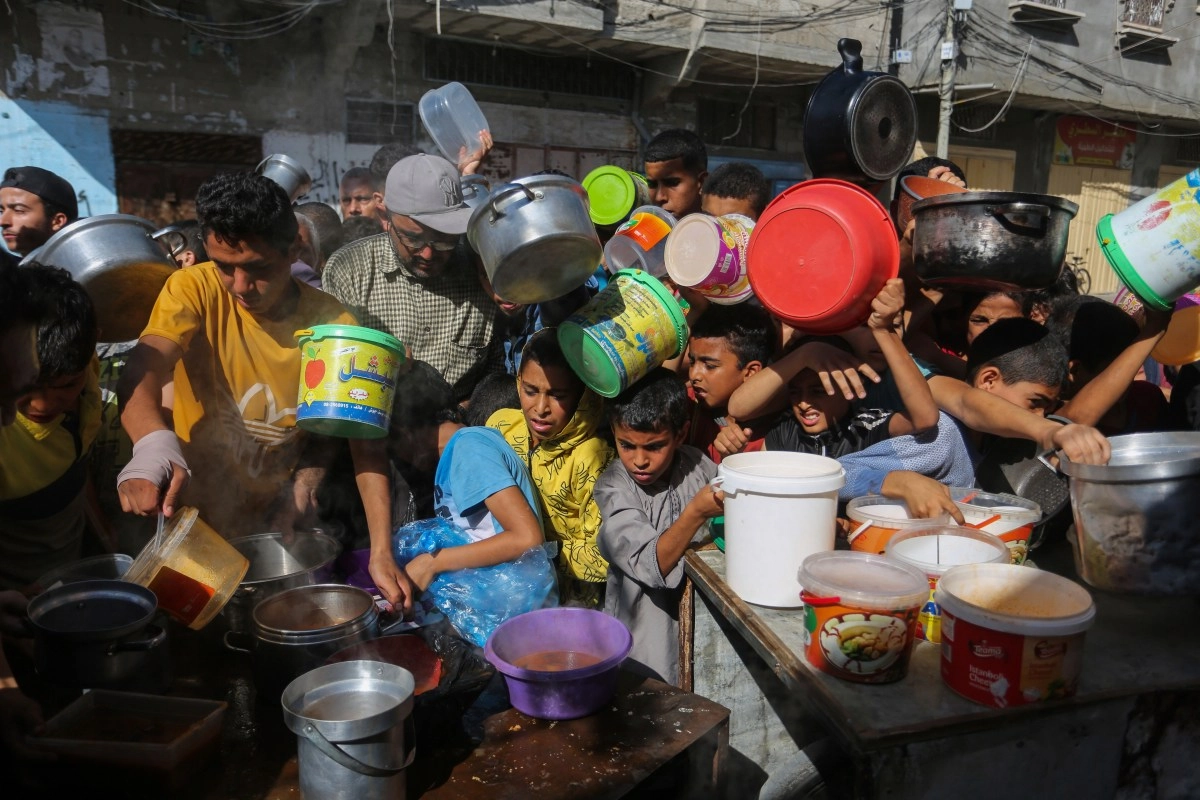

The United Nations (UN) warned that the strengthening of the El Niño climate phenomenon could trigger a new wave of humanitarian emergencies in different regions of the world and announced that it is ready to release up to 100 million dollars from its Central Emergency Response Fund (CERF) with the aim of financing preventive measures before disasters reach their most critical point.
The UN Assistant Secretary General for Humanitarian Affairs, Tom Fletcher, warned that the most recent forecasts point to an episode that could exceed in intensity the one recorded between 2023 and 2024, when tens of millions of people required urgent assistance due to the loss of crops, scarcity of drinking water, food insecurity and damage to basic services.
According to the official, projections indicate that extreme heat, prolonged droughts and floods will once again strongly affect countries in Latin America, eastern and southern Africa, Asia and the Pacific Islands, regions where millions of people already face conditions of high vulnerability due to armed conflicts, displacement and economic difficulties.
A climate emergency in the midst of multiple crises
The warning comes at a particularly delicate time for the international humanitarian system. The UN pointed out that the increase in conflicts, the growth in the number of displaced people and the increase in the prices of fuel, fertilizers and food further complicate the response capacity of governments and international organizations.
Added to this scenario are budget cuts that have reduced the resources available to respond to emergencies around the world, limiting assistance to communities that already face critical conditions.
Fletcher explained that the UN has allocated more than $20 million in anticipatory actions in six countries, using increasingly accurate weather models to intervene before the worst impacts occur. These measures include protecting livelihoods, strengthening essential services, preparing for floods and droughts, as well as supporting small agricultural producers.
The humanitarian official insisted that investing before a catastrophe represents a more efficient and less costly strategy than responding when the damage has already occurred.
The WMO predicts a strong episode between July and September
The World Meteorological Organization (WMO) confirmed that current conditions in the tropical Pacific Ocean are rapidly evolving towards a strong El Niño episode between July and September, considerably increasing the probability of extreme weather events in much of the planet.
According to the specialized UN agency, the anomalous warming of the waters of the equatorial Pacific will modify global rainfall and temperature patterns. Climate models show a high level of agreement and anticipate that sea surface temperature anomalies could exceed two degrees Celsius in key monitoring areas.
Forecasts point to above-average rainfall in the equatorial Pacific, while regions such as the Caribbean, part of Central America, northwestern South America, Australia and parts of the Indian Ocean could face below-normal rainfall. In contrast, the southwestern United States would have wetter than average conditions. Peru has already declared a state of emergency in nearly 800 municipalities due to the risk of intense rains, floods and landslides associated with the phenomenon.
Authorities in that country estimate that more than 9.3 million people are exposed to a very high risk.
Against this backdrop, the UN reiterated the call to governments and major international donors to increase financing for prevention and strengthen climate adaptation policies. Fletcher maintained that the international community faces a decisive decision: wait for disasters to occur or invest now in resilience to reduce the human and economic impact of one of the most severe climate phenomena expected in the coming months.