

Migration redefines football in the 2026 World Cup, despite experiencing a crisis with thousands of deaths
Historical links between continents and changes in citizenship policies are changing the map of international football, according to research
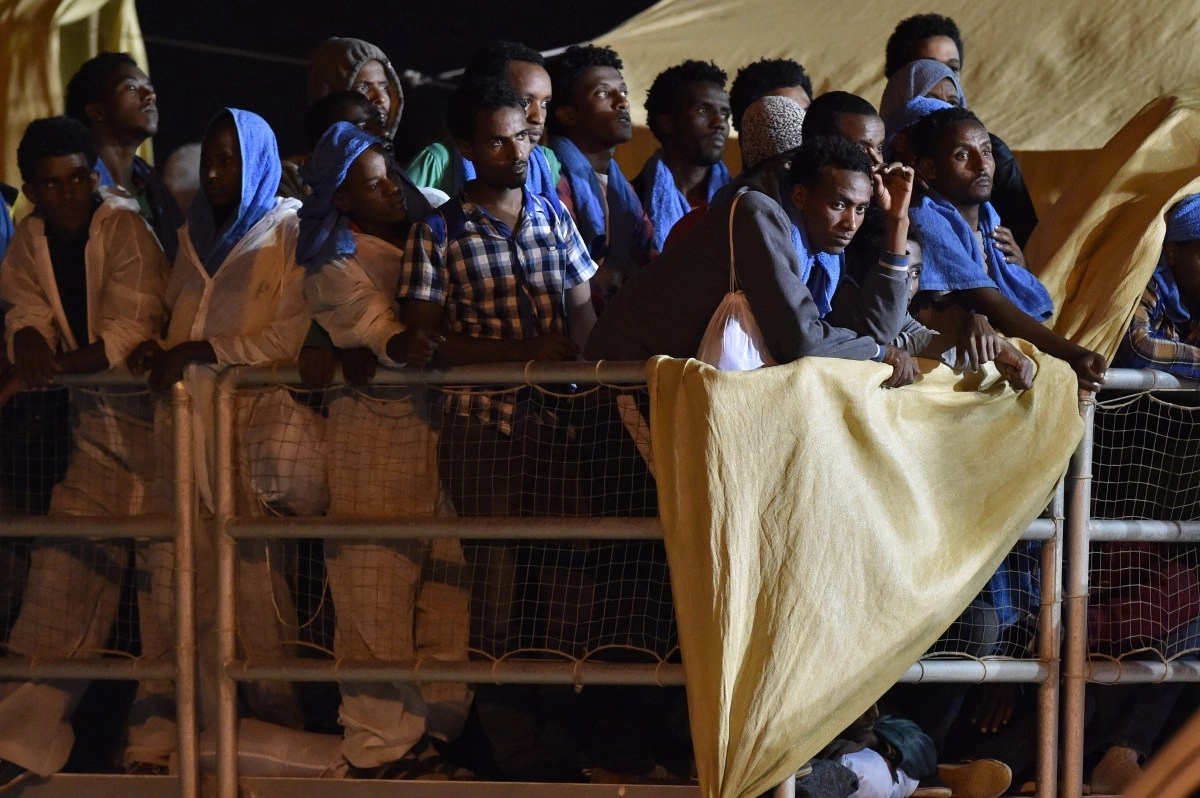

While Europe tightens its immigration policies and thousands of people continue to die or disappear in their attempt to cross the Mediterranean or the Atlantic, a less visible consequence of this phenomenon is transforming international soccer. The main European teams have more and more players born in Africa or descendants of African migrants, a reality that reflects decades of human mobility, colonial ties and demographic changes.
According to the International Organization for Migration (IOM), 2024 was the deadliest year for migrants since international records began, with at least 8,938 dead or missing on the world's migration routes. In the Mediterranean alone, considered the deadliest migratory corridor on the planet, more than 31,000 people have lost their lives or disappeared since 2014, while the Atlantic route to the Canary Islands also registers a constant increase in victims. The International Organization for Migration also warns that the real figures could be considerably higher due to the numerous shipwrecks and disappearances that are never documented.
At the same time as this humanitarian crisis, Europe is experiencing a demographic transformation driven by decades of African migration. Many of the children and grandchildren of those who arrived as workers, refugees or asylum seekers today represent countries such as France, England, Belgium, the Netherlands and Spain in major international competitions.
José Luis Gázquez Iglesias, an academic at the University Program for Studies on Asia, Africa and Oceania (PUEAAO) of the National Autonomous University of Mexico (UNAM), explains that during the last five years the incorporation of footballers born in Africa and descendants of African migrants into European football has been strengthened, favored by processes of human mobility and legislation that facilitated access to citizenship.
“The composition of some teams such as France, England, Netherlands, Belgium and Spain has been reinforced with these athletes,” he stated.
But the phenomenon cannot be understood solely from sport.
According to UNHCR, at the end of 2025 there were 117.3 million forcibly displaced people in the world, of which more than 41 million were refugees. Africa has some of the most severe displacement due to armed conflict in Sudan, the Democratic Republic of the Congo, the Sahel and the Horn of Africa, in addition to the effects of climate change and food insecurity.
The UNAM researcher recalls that the colonial relations between France, the United Kingdom and various African countries explain a good part of this presence in the European teams. However, the tightening of migration policies has modified traditional destinations and turned countries like Spain into one of the main recipients of African migrants.
This process has also transferred social tensions about identity and migration to football.
However, the episodes of racism recorded in European leagues and international competitions show that sporting success has not eliminated discrimination. Organizations such as FIFA and UEFA have reinforced their campaigns against racism in recent years, while various human rights organizations warn about the growth of xenophobic discourse in Europe.