

2026 Ford Escape: Why It Won't Be Sold in Six States
The model will not be available in six key US states due to stricter environmental regulations. The decision responds to several regulations
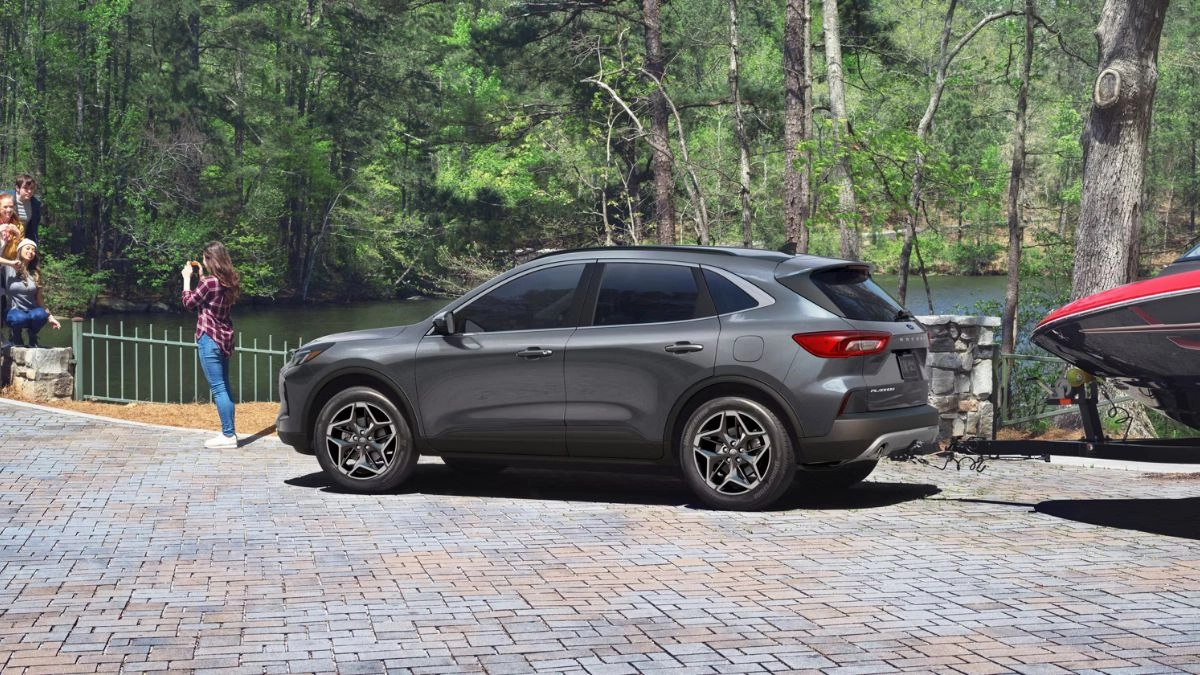

Ford's 2026 launch schedule includes a notable absence. The Ford Escape, one of the brand's most recognized compact SUVs, will not be sold in several states that are traditionally strong markets for this type of vehicle. This isn't a demand problem or a one-off technical failure, but a direct clash with state environmental regulations that go a step beyond what's required at the federal level.
This situation marks a turning point for the Escape, which for years has been a balanced option in terms of price, efficiency, and practicality.
For many buyers, especially on the West Coast and in the Northeast, the model will simply disappear from dealerships in its 2026 model year.
The six states where it won't be sold
The 2026 Ford Escape will not be available in California, New York, Massachusetts, Vermont, Oregon, and Washington. These territories are part of the so-called “Section 177” states, which adopt emissions regulations defined by the California Air Resources Board (CARB), rather than adhering solely to federal standards. For the 2026 model year, these states will begin more rigorously enforcing the Advanced Clean Cars II (ACC II) program, a regulation that tightens exhaust emission limits and raises requirements for electrified vehicles. In practice, this means that many models with combustion engines, including hybrids, will automatically be excluded if they do not meet specific thresholds. What the new environmental standards require: The ACC II program, which will run from 2026 to 2035, aims not only to reduce polluting emissions but also to force an accelerated transition to zero-emission vehicles. Key points include: Although the Escape offers EcoBoost engines, Hybrid versions and a plug-in hybrid variant with up to 37 miles of electric range are not enough to meet all the parameters imposed by CARB starting in 2026. The result: the model only complies with the federal emissions system, not the Californian standard. Ford was clear on this point,stating that "the 2026 Escape meets requirements in all states except these six that imposed additional requirements," a phrase that summarizes the conflict between regulations and commercial viability. Costs, Strategy, and the Future of the Model: Adapting the 2026 Ford Escape exclusively to CARB standards would involve technical redesigns, higher production costs, and a more complex supply chain. All of this is happening at a time when the model's future beyond 2026 is already raising questions within the industry. From a strategic point of view, Ford prefers to concentrate resources on fully electric vehicles or platforms with greater long-term potential. This explains why the brand didn't opt ??for a specific version of the Escape for these six states, even though they represent nearly 23% of the US population.
Direct Impact on Buyers
For consumers living in the affected states, the options are drastically reduced. Those who want an Escape will have to look for 2025 model year vehicles or consider alternatives within the competitive compact SUV segment.
The Escape has been praised for its overall balance and a starting price of around $31,705, which keeps it an attractive proposition compared to direct rivals.
Their withdrawal from these markets could tip the scales toward models that do comply with CARB regulations, such as the Toyota RAV4, Honda CR-V, or Hyundai Tucson, especially in their hybrid variants.
Alternatives within and outside of Ford
In regions like California or New York, buyers looking for a compact SUV with an eco-friendly focus will have to scrutinize emissions certifications. CARB-certified hybrids are gaining prominence, while pure electric vehicles continue to expand their market share.
Within Ford's own lineup, models like the Mustang Mach-E appear as the logical alternative for those who want to stay with the brand and comply with all state regulations. Other Ford SUVs, such as the Explorer or Bronco Sport, are still available depending on the version and configuration.
In 44 states, the Escape will remain part of Ford's catalog. In the other six, its departure marks the closing of an important chapter for one of the brand's most popular compact SUVs. These figures are not enough to meet all the parameters imposed by CARB starting in 2026. The result: the model only complies with the federal emissions system, not the Californian standard. Ford was clear on this point, stating that "the 2026 Escape meets requirements in all states except these six that imposed additional requirements," a phrase that summarizes the conflict between regulations and commercial viability. Costs, Strategy, and the Future of the Model: Adapting the 2026 Ford Escape exclusively to CARB standards would involve technical redesigns, higher production costs,and a more complex supply chain. All of this is happening at a time when the future of the model beyond 2026 is already raising questions within the industry. From a strategic point of view, Ford prefers to concentrate resources on fully electric vehicles or platforms with greater long-term potential. This explains why the brand didn't opt ??for a specific version of the Escape for these six states, even though they represent nearly 23% of the US population.
Direct Impact on Buyers
For consumers living in the affected states, the options are drastically reduced. Those who want an Escape will have to look for 2025 model year vehicles or consider alternatives within the competitive compact SUV segment.
The Escape has been praised for its overall balance and a starting price of around $31,705, which keeps it an attractive proposition compared to direct rivals.
Their withdrawal from these markets could tip the scales toward models that do comply with CARB regulations, such as the Toyota RAV4, Honda CR-V, or Hyundai Tucson, especially in their hybrid variants.
Alternatives within and outside of Ford
In regions like California or New York, buyers looking for a compact SUV with an eco-friendly focus will have to scrutinize emissions certifications. CARB-certified hybrids are gaining prominence, while pure electric vehicles continue to expand their market share.
Within Ford's own lineup, models like the Mustang Mach-E appear as the logical alternative for those who want to stay with the brand and comply with all state regulations. Other Ford SUVs, such as the Explorer or Bronco Sport, are still available depending on the version and configuration.
In 44 states, the Escape will remain part of Ford's catalog. In the other six, its departure marks the closing of an important chapter for one of the brand's most popular compact SUVs. These figures are not enough to meet all the parameters imposed by CARB starting in 2026. The result: the model only complies with the federal emissions system, not the Californian standard. Ford was clear on this point, stating that "the 2026 Escape meets requirements in all states except these six that imposed additional requirements," a phrase that summarizes the conflict between regulations and commercial viability. Costs, Strategy, and the Future of the Model: Adapting the 2026 Ford Escape exclusively to CARB standards would involve technical redesigns, higher production costs, and a more complex supply chain. All of this is happening at a time when the future of the model beyond 2026 is already raising questions within the industry. From a strategic point of view, Ford prefers to concentrate resources on fully electric vehicles or platforms with greater long-term potential.This explains why the brand didn't opt ??for a specific version of the Escape for these six states, even though they represent nearly 23% of the US population.
Direct Impact on Buyers
For consumers living in the affected states, the options are drastically reduced. Those who want an Escape will have to look for 2025 model year vehicles or consider alternatives within the competitive compact SUV segment.
The Escape has been praised for its overall balance and a starting price of around $31,705, which keeps it an attractive proposition compared to direct rivals.
Their withdrawal from these markets could tip the scales toward models that do comply with CARB regulations, such as the Toyota RAV4, Honda CR-V, or Hyundai Tucson, especially in their hybrid variants.
Alternatives within and outside of Ford
In regions like California or New York, buyers looking for a compact SUV with an eco-friendly focus will have to scrutinize emissions certifications. CARB-certified hybrids are gaining prominence, while pure electric vehicles continue to expand their market share.
Within Ford's own lineup, models like the Mustang Mach-E appear as the logical alternative for those who want to stay with the brand and comply with all state regulations. Other Ford SUVs, such as the Explorer or Bronco Sport, are still available depending on the version and configuration.
In 44 states, the Escape will remain part of Ford's catalog. In the other six, its departure marks the closing of an important chapter for one of the brand's most popular compact SUVs. The model only complies with the federal emissions system, not the Californian standard.
Ford was clear on this point, stating that “the 2026 Escape meets requirements in all states except these six that imposed additional requirements,” a phrase that summarizes the conflict between regulations and commercial viability.
Costs, Strategy, and the Future of the Model
Adapting the 2026 Ford Escape exclusively to CARB standards would involve technical redesigns, higher production costs, and a more complex supply chain. All of this is happening at a time when the future of the model beyond 2026 is already raising questions within the industry.
From a strategic point of view, Ford prefers to concentrate resources on fully electric vehicles or platforms with greater long-term potential. This explains why the brand didn't opt ??for a specific version of the Escape for these six states, even though they represent nearly 23% of the US population.
Direct Impact on Buyers
For consumers living in the affected states, the options are drastically reduced.Those who want an Escape will have to look for 2025 model year vehicles or consider alternatives within the competitive compact SUV segment.
The Escape has been praised for its overall balance and a starting price of around $31,705, which keeps it an attractive proposition compared to direct rivals.
Their withdrawal from these markets could tip the scales toward models that do comply with CARB regulations, such as the Toyota RAV4, Honda CR-V, or Hyundai Tucson, especially in their hybrid variants.
Alternatives within and outside of Ford
In regions like California or New York, buyers looking for a compact SUV with an eco-friendly focus will have to scrutinize emissions certifications. CARB-certified hybrids are gaining prominence, while pure electric vehicles continue to expand their market share.
Within Ford's own lineup, models like the Mustang Mach-E appear as the logical alternative for those who want to stay with the brand and comply with all state regulations. Other Ford SUVs, such as the Explorer or Bronco Sport, are still available depending on the version and configuration.
In 44 states, the Escape will remain part of Ford's catalog. In the other six, its departure marks the closing of an important chapter for one of the brand's most popular compact SUVs. The model only complies with the federal emissions system, not the Californian standard.
Ford was clear on this point, stating that “the 2026 Escape meets requirements in all states except these six that imposed additional requirements,” a phrase that summarizes the conflict between regulations and commercial viability.
Costs, Strategy, and the Future of the Model
Adapting the 2026 Ford Escape exclusively to CARB standards would involve technical redesigns, higher production costs, and a more complex supply chain. All of this is happening at a time when the future of the model beyond 2026 is already raising questions within the industry.
From a strategic point of view, Ford prefers to concentrate resources on fully electric vehicles or platforms with greater long-term potential. This explains why the brand didn't opt ??for a specific version of the Escape for these six states, even though they represent nearly 23% of the US population.
Direct Impact on Buyers
For consumers living in the affected states, the options are drastically reduced. Those who want an Escape will have to look for 2025 model year vehicles or consider alternatives within the competitive compact SUV segment.
The Escape has been praised for its overall balance and a starting price of around $31,705, which keeps it an attractive proposition compared to direct rivals.
Their withdrawal from these markets could tip the scales toward models that do comply with CARB regulations, such as the Toyota RAV4, Honda CR-V, or Hyundai Tucson, especially in their hybrid variants.
Alternatives within and outside of Ford
In regions like California or New York, buyers looking for a compact SUV with an eco-friendly focus will have to scrutinize emissions certifications. CARB-certified hybrids are gaining prominence, while pure electric vehicles continue to expand their market share.
Within Ford's own lineup, models like the Mustang Mach-E appear as the logical alternative for those who want to stay with the brand and comply with all state regulations. Other Ford SUVs, such as the Explorer or Bronco Sport, are still available depending on the version and configuration.
In 44 states, the Escape will remain part of Ford's catalog. In the other six, its departure marks the closing of an important chapter for one of the brand's most popular compact SUVs. Ford was clear on this point, stating that “the 2026 Escape meets requirements in all states except these six that imposed additional requirements,” a phrase that summarizes the conflict between regulations and commercial viability. Costs, Strategy, and the Future of the Model: Adapting the 2026 Ford Escape exclusively to CARB standards would involve technical redesigns, higher production costs, and a more complex supply chain. All of this is happening at a time when the future of the model beyond 2026 is already raising questions within the industry. From a strategic point of view, Ford prefers to concentrate resources on fully electric vehicles or platforms with greater long-term potential. This explains why the brand didn't opt ??for a specific version of the Escape for these six states, even though they represent nearly 23% of the US population.
Direct Impact on Buyers
For consumers living in the affected states, the options are drastically reduced. Those who want an Escape will have to look for 2025 model year vehicles or consider alternatives within the competitive compact SUV segment.
The Escape has been praised for its overall balance and a starting price of around $31,705, which keeps it an attractive proposition compared to direct rivals.
Their withdrawal from these markets could tip the scales toward models that do comply with CARB regulations, such as the Toyota RAV4, Honda CR-V, or Hyundai Tucson, especially in their hybrid variants.
Alternatives within and outside of Ford
In regions like California or New York, buyers looking for a compact SUV with an eco-friendly focus will have to scrutinize emissions certifications. CARB-certified hybrids are gaining prominence, while pure electric vehicles continue to expand their market share.
Within Ford's own lineup, models like the Mustang Mach-E appear as the logical alternative for those who want to stay with the brand and comply with all state regulations. Other Ford SUVs, such as the Explorer or Bronco Sport, are still available depending on the version and configuration.
In 44 states, the Escape will remain part of Ford's catalog. In the other six, its departure marks the closing of an important chapter for one of the brand's most popular compact SUVs. Ford was clear on this point, stating that “the 2026 Escape meets requirements in all states except these six that imposed additional requirements,” a phrase that summarizes the conflict between regulations and commercial viability. Costs, Strategy, and the Future of the Model: Adapting the 2026 Ford Escape exclusively to CARB standards would involve technical redesigns, higher production costs, and a more complex supply chain. All of this is happening at a time when the future of the model beyond 2026 is already raising questions within the industry. From a strategic point of view, Ford prefers to concentrate resources on fully electric vehicles or platforms with greater long-term potential. This explains why the brand didn't opt ??for a specific version of the Escape for these six states, even though they represent nearly 23% of the US population.
Direct Impact on Buyers
For consumers living in the affected states, the options are drastically reduced. Those who want an Escape will have to look for 2025 model year vehicles or consider alternatives within the competitive compact SUV segment.
The Escape has been praised for its overall balance and a starting price of around $31,705, which keeps it an attractive proposition compared to direct rivals.
Their withdrawal from these markets could tip the scales toward models that do comply with CARB regulations, such as the Toyota RAV4, Honda CR-V, or Hyundai Tucson, especially in their hybrid variants.
Alternatives within and outside of Ford
In regions like California or New York, buyers looking for a compact SUV with an eco-friendly focus will have to scrutinize emissions certifications. CARB-certified hybrids are gaining prominence, while pure electric vehicles continue to expand their market share.
Within Ford's own lineup, models like the Mustang Mach-E appear as the logical alternative for those who want to stay with the brand and comply with all state regulations. Other Ford SUVs, such as the Explorer or Bronco Sport, are still available depending on the version and configuration.
In 44 states, the Escape will remain part of Ford's catalog. In the other six, its departure marks the closing of an important chapter for one of the brand's most popular compact SUVs. Higher production costs and a more complex supply chain.All of this is happening at a time when the future of the model beyond 2026 is already raising questions within the industry. From a strategic point of view, Ford prefers to concentrate resources on fully electric vehicles or platforms with greater long-term potential. This explains why the brand did not opt ??for a specific version of the Escape for these six states, even though they represent about 23% of the US population. Direct Impact on Buyers: For consumers living in the affected states, the options are drastically reduced. Those who want an Escape will have to look for 2025 model year units or consider alternatives within the competitive compact SUV segment. The Escape has been valued for its overall balance and a starting price of around $31,705, which keeps it an attractive proposition compared to direct rivals. Their withdrawal from these markets could tip the scales toward models that do comply with CARB regulations, such as the Toyota RAV4, Honda CR-V, or Hyundai Tucson, especially in their hybrid variants.
Alternatives within and outside of Ford
In regions like California or New York, buyers looking for a compact SUV with an eco-friendly focus will have to scrutinize emissions certifications. CARB-certified hybrids are gaining prominence, while pure electric vehicles continue to expand their market share.
Within Ford's own lineup, models like the Mustang Mach-E appear as the logical alternative for those who want to stay with the brand and comply with all state regulations. Other Ford SUVs, such as the Explorer or Bronco Sport, are still available depending on the version and configuration.
In 44 states, the Escape will remain part of Ford's catalog. In the other six, its departure marks the closing of an important chapter for one of the brand's most popular compact SUVs. Higher production costs and a more complex supply chain. All of this is happening at a time when the future of the model beyond 2026 is already raising questions within the industry. From a strategic point of view, Ford prefers to concentrate resources on fully electric vehicles or platforms with greater long-term potential. This explains why the brand did not opt ??for a specific version of the Escape for these six states, even though they represent about 23% of the US population. Direct Impact on Buyers: For consumers living in the affected states, the options are drastically reduced. Those who want an Escape will have to look for 2025 model year units or consider alternatives within the competitive compact SUV segment. The Escape has been valued for its overall balance and a starting price of around $31,705, which keeps it an attractive proposition compared to direct rivals. Their withdrawal from these markets could tip the scales toward models that do comply with CARB regulations, such as the Toyota RAV4, Honda CR-V, or Hyundai Tucson, especially in their hybrid variants.
Alternatives within and outside of Ford
In regions like California or New York, buyers looking for a compact SUV with an eco-friendly focus will have to scrutinize emissions certifications. CARB-certified hybrids are gaining prominence, while pure electric vehicles continue to expand their market share.
Within Ford's own lineup, models like the Mustang Mach-E appear as the logical alternative for those who want to stay with the brand and comply with all state regulations. Other Ford SUVs, such as the Explorer or Bronco Sport, are still available depending on the version and configuration.
In 44 states, the Escape will remain part of Ford's catalog. In the other six, its departure marks the closing of an important chapter for one of the brand's most popular compact SUVs. Those wanting an Escape will have to look for 2025 model year vehicles or consider alternatives within the competitive compact SUV segment. The Escape has been praised for its overall balance and a starting price of around $31,705, which keeps it an attractive proposition against direct rivals. Its withdrawal from these markets could tip the scales toward models that do comply with CARB regulations, such as the Toyota RAV4, Honda CR-V, or Hyundai Tucson, especially their hybrid variants. Alternatives within and outside of Ford: In regions like California or New York, buyers looking for an eco-conscious compact SUV will have to scrutinize emissions certifications. CARB-certified hybrids are gaining prominence, while pure electric vehicles continue to expand their market share. Within Ford's own lineup, models like the Mustang Mach-E appear as the logical alternative for those who want to stay with the brand and comply with all state regulations. Other Ford SUVs, such as the Explorer or Bronco Sport, are still available depending on the version and configuration. In 44 states, the Escape will remain part of Ford's lineup. In the other six, its departure marks the end of an important chapter for one of the brand's most popular compact SUVs. Those wanting an Escape will have to look for 2025 model year vehicles or consider alternatives within the competitive compact SUV segment. The Escape has been praised for its overall balance and a starting price of around $31,705, which keeps it an attractive proposition against direct rivals. Its withdrawal from these markets could tip the scales toward models that do comply with CARB regulations, such as the Toyota RAV4, Honda CR-V, or Hyundai Tucson, especially their hybrid variants. Alternatives within and outside of Ford: In regions like California or New York, buyers looking for an eco-conscious compact SUV will have to scrutinize emissions certifications. CARB-certified hybrids are gaining prominence, while pure electric vehicles continue to expand their market share. Within Ford's own lineup,models like the Mustang Mach-E appear as the logical alternative for those who want to stay with the brand and comply with all state regulations. Other Ford SUVs, such as the Explorer or Bronco Sport, are still available depending on the version and configuration. In 44 states, the Escape will remain part of Ford's lineup. In the other six, its departure marks the end of an important chapter for one of the brand's most popular compact SUVs.