

Blue Origin continues making history with its 13th manned suborbital flight
Blue Origin wants to consolidate itself as a company capable of taking passengers on suborbital flights
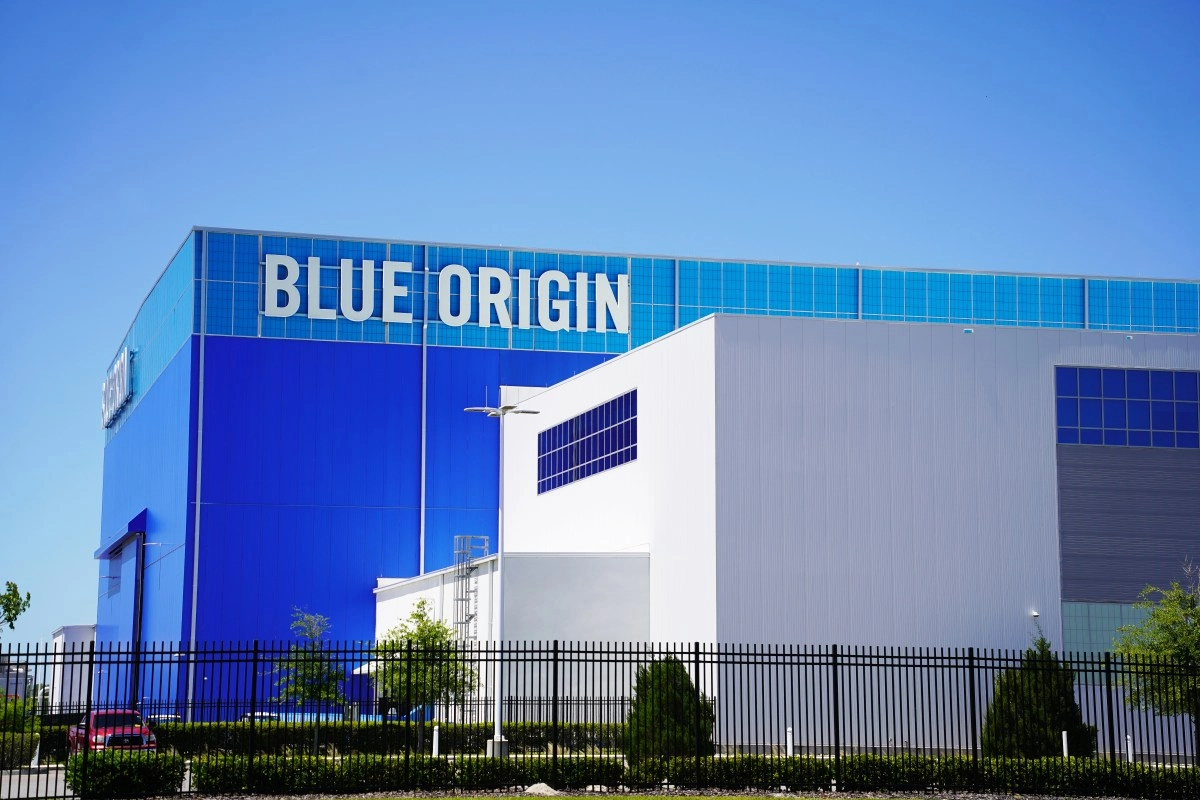

Blue Origin has done it again. The aerospace company founded by Jeff Bezos successfully completed its thirteenth manned suborbital flight, further consolidating its position in the exclusive club of companies capable of taking humans to the edge of space. This new milestone was achieved with the NS-25 mission, which took off from West Texas and marked another significant step toward the company's long-term space tourism plans.
The New Shepard spacecraft once again demonstrated its reliability by reaching the Kármán Line—the accepted limit of space, approximately 100 km high—with a crew of six on board. All passengers returned safely after a brief but intense experience of microgravity and spectacular views of Earth.
A space luxury reserved for the very few
Although the flight was a technical and human success, space tourism remains a privilege reserved for the ultra-rich. Each seat on a mission like this is estimated to cost upwards of $500,000, a figure that puts such an experience far beyond the reach of the average citizen.
This raises a key question about the future of commercial suborbital exploration: When—and if ever—will such journeys be accessible to a wider audience? For now, it appears Blue Origin will continue to focus on improving safety, repeating its launches more frequently, and fine-tuning its business model before considering a massive expansion.
Jeff Bezos has reiterated on more than one occasion that his long-term vision is for millions of people to be able to live and work in space, but for now, that dream remains in its infancy, with short, expensive flights that function more as technological showcases and symbolic gestures than as part of a robust, sustainable space economy.
What’s next for Blue Origin after this new milestone?
The NS-25 mission is more than a public relations victory. For Blue Origin, each successful flight is a validation of New Shepard's reusable design and an opportunity to refine the process for future missions.While competition with Elon Musk’s SpaceX is inevitable, the two companies are targeting different niches for now: Blue Origin is betting big on suborbital tourism, while SpaceX is focusing on orbital flights and long-duration crewed missions.
The company is also developing its New Glenn orbital rocket, which it aims to enter service in the coming years. It’s also part of the team selected by NASA to develop a lunar lander, indicating its ambitions extend far beyond 11 minutes of suborbital flight.
With each mission, Blue Origin is building its path toward a future where commercial space travel can be a part of our lives, even if for now only a select few can afford to climb aboard.