

Desperate? Elos Musk wants to produce 7,500 Teslas per week
Elon Musk's brand will increase the production of its plant in Germany to strengthen its recovery in the European market
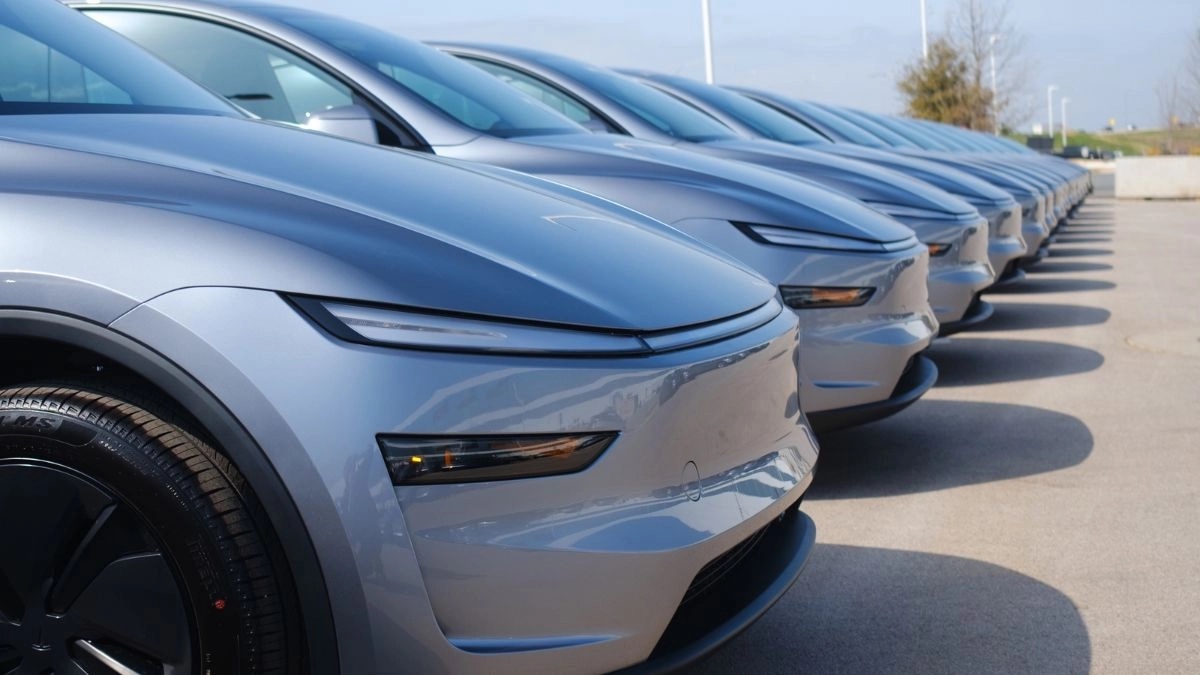

After a period marked by slowing sales, Tesla is preparing a change of pace in Europe. The company wants to put complicated months behind it and has already defined the strategy with which it hopes to once again strengthen its presence in one of the most competitive markets for electric vehicles.
Read also: Hyundai wants a more aggressive and powerful Elantra N
The centerpiece of that plan will be the Gigafactory located in Grünheide, near Berlin. From there, the company intends to considerably increase production volume to respond to a demand that is beginning to show signs of recovery and recover part of the ground lost to its competitors.
You can read: The new Mitsubishi Montero rescues a super classic 4×4
If everything goes according to plan, the factory will reach a capacity of 7,500 vehicles per week from October 2026, a goal that will also be accompanied by new hiring and a reorganization of production.
A key factory for the European strategy
The Grünheide plant is the only car manufacturing center that Tesla currently has in Europe. For this reason, any change in its production capacity has a direct impact on the brand's offer on the continent.
The expected growth will be supported mainly by the Tesla Model Y, the electric SUV that continues to be the company's most important model in the region and which concentrates a good part of its sales.
The decision comes after a complex period for Tesla. In recent years, the company has lost momentum in several European markets due to increased competition, especially from Chinese manufacturers such as BYD, in addition to the growth in the offering of electric models by traditional brands.
Production will grow in stages
The increase in capacity will not be done immediately. Tesla divided the project into two phases to facilitate the adaptation of the plant.
The first began in July, when weekly production went from about 6,000 units to approximately 6,200 vehicles. Subsequently, in October 2026, the factory will reach the final goal of 7,500 cars per week.
If this pace is maintained throughout the year, the plant could manufacture close to 375,000 vehicles annually, a figure that represents an increase of close to 25% compared to the previous volume.
More workers to sustain growth
The increase in production will also force the workforce to expand. Tesla plans to hire around 1,000 new employees to reinforce the assembly lines, which currently operate with more than 12,000 workers.
The company also confirmed that around 500 temporary employees will be placed on permanent contracts, a move that reflects the company's confidence in the recovery of its European operation.
With the new production target, a car will have to leave the assembly line approximately every 81 seconds. That equates to about 44 units per hour and more than 1,000 vehicles per day.
Although that figure is still below the initial goal of producing 500,000 vehicles per year that Tesla set when it opened the factory in 2022, it represents an important step for a company that seeks to reverse the decline in its sales and strengthen its position in the face of increasingly intense competition in the European electric vehicle market.