

Tesla Model Y or Toyota bZ: Which offers more for less?
Tesla and Toyota compete in the electric SUV segment with similar proposals in price, but very different in technology and handling
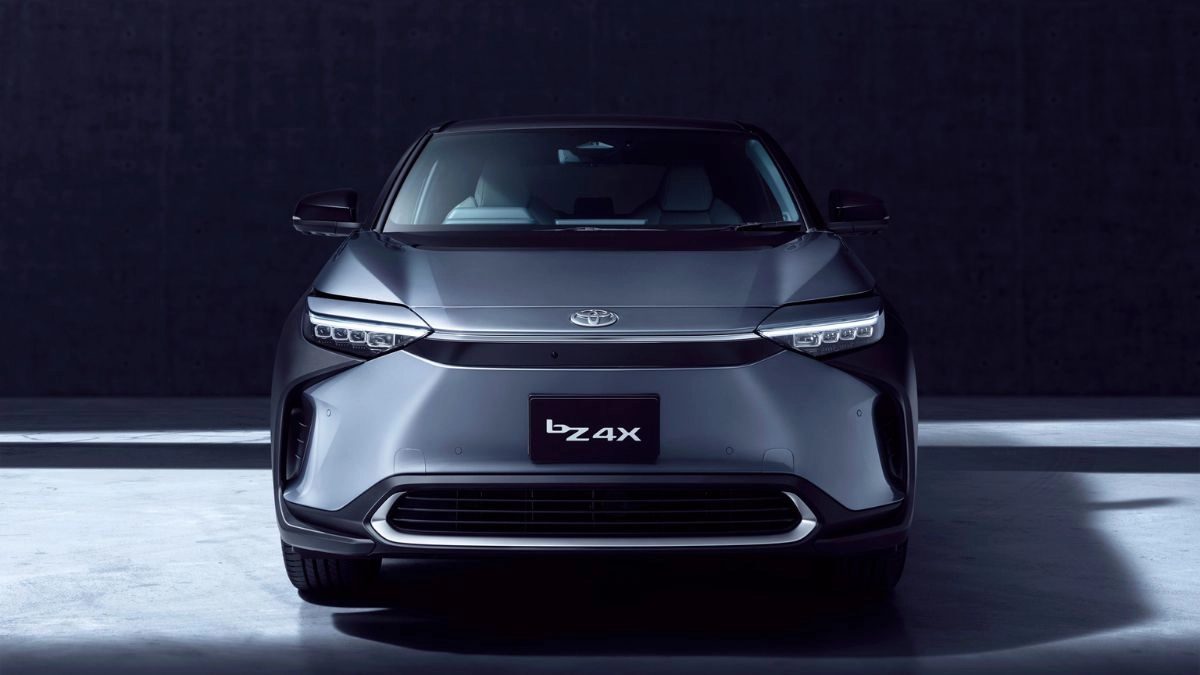

Making the jump to an electric SUV no longer means spending a fortune. In 2026, two models appear among the most striking alternatives for those looking for a vehicle of this type without exceeding the barrier of $45 thousand dollars. These are the renewed Tesla Model Y with rear-wheel drive and the updated Toyota bZ XLE Plus.
Read also: Polestar says goodbye to the new car market in the US.
Although both target the same type of buyer, the experience they offer is quite different. Tesla maintains its commitment to technology and performance, while Toyota prioritizes comfort, practicality and a more familiar drive.
You can read: Honda would rescue the Element with a new hybrid generation
The price difference is also small. The Tesla Model Y RWD starts around $41,630 in the United States, while the Toyota bZ XLE Plus starts around $40,769 with some additional equipment included.
Two completely different philosophies
At first glance it is clear that each manufacturer followed a different path. Tesla maintains a clean and minimalist design, with few customization options and a discreet appearance in this entry-level version, which dispenses with some aesthetic elements present in higher finishes.
Toyota, for its part, is committed to an image with more personality. The front inspired by the “hammerhead” language and the marked lines of the body allow it to stand out without falling into excess.
Important differences also appear inside the cabin. The Model Y concentrates practically all functions on a 15.4-inch central screen, reducing the presence of physical buttons to a minimum. The bZ prefers a more conventional layout, with traditional controls and a 14-inch multimedia screen wirelessly compatible with Android Auto and Apple CarPlay.
Benefits and autonomy
In the mechanical section, the Tesla takes advantage. Its rear motor develops around 300 horsepower and works together with a 70 kWh battery. The Toyota responds with a 221-horsepower front motor and a battery pack estimated at 67 kWh.
That difference is also reflected in performance. The Model Y accelerates from 0 to 60 mph in 5.9 seconds, while the bZ needs 6.2 seconds to complete the same test. In addition, the Tesla SUV offers more agile handling thanks to quick steering and a higher level of grip.
In autonomy, both present competitive figures. The Tesla advertises about 321 miles under the EPA cycle and is expected to be around 260 miles in real-world conditions. The Toyota has 314 EPA miles and in road tests it got approximately 250 miles.
Charging and driving experience
Toyota manages to recover energy more quickly. The bZ needs about 35 minutes to go from 10 to 90% battery via fast charging, while the Tesla requires about 44 minutes to reach the same level.
Of course, both models can use the Tesla Supercharger network thanks to the incorporation of the NACS connector in the Toyota SUV.
At the wheel, the differences are once again noticeable. The Model Y conveys a sportier drive, with forceful acceleration and an efficient regenerative braking system that facilitates single-pedal driving. Its least favorable point is a more rigid suspension, which can reduce comfort on uneven pavements.
The Toyota bZ opts for a much smoother ride. The suspension better absorbs road imperfections and offers a relaxed ride, although without the dynamic character that distinguishes the Tesla.
What is the best purchase?
The choice depends largely on the driver's profile. The Toyota bZ XLE Plus is very attractive to those who value comfort, a more traditional interface and a simple experience for daily use.
On the other hand, those looking for better performance, more entertaining driving and a more advanced technological ecosystem will find a more complete proposal in the Tesla Model Y RWD.
Both represent excellent options within the segment, but each interprets electric mobility from a very different perspective.