

Toyota collapses in China and BYD expands its lead
Toyota posted sharp sales decline in China as BYD and Geely continue to gain ground in world's largest auto market
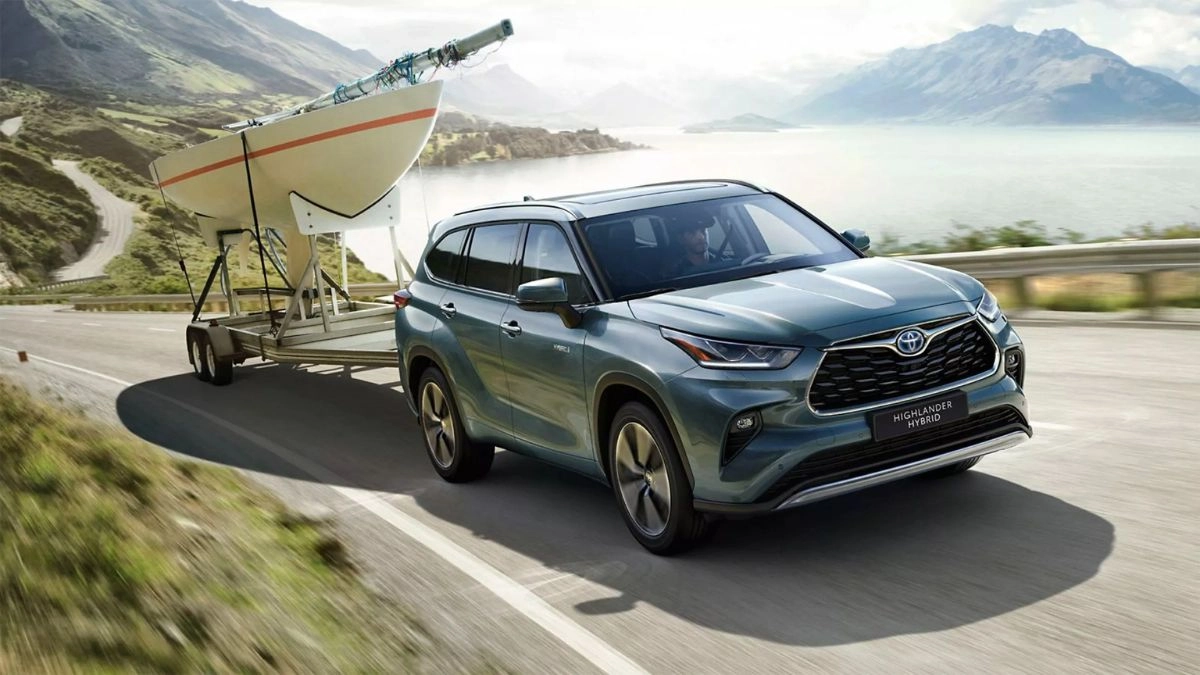

The Chinese market is becoming the biggest challenge for Toyota. The Japanese brand, which maintains world leadership in sales thanks to its wide range of hybrid models, is going through a complicated situation in the Asian country, where local competition continues to gain strength.
Read also: Polestar says goodbye to the new car market in the US.
The most recent data show that the company has been experiencing several months of declines and has just posted one of the worst results in its recent history in China. The growth of manufacturers such as BYD and Geely is changing the balance of a market that increasingly favors national brands.
You can read: Honda would rescue the Element with a new hybrid generation
Although Toyota remains one of the giants of the industry, the speed with which Chinese manufacturers evolve is beginning to be clearly reflected in the sales figures.
China sets the course for the fall
Toyota's overall results began to deteriorate in March, when the company recorded its first sales decline of the year. However, the situation worsened as the months went by.
In May, the manufacturer's global deliveries fell 7.4%, with a total of 885,207 vehicles sold. Much of this decline has its origins in China, a market that is undergoing a transformation driven by the rapid adoption of electrified vehicles developed by local brands.
The blow was especially hard during May. Toyota, including Lexus sales, delivered just 102,990 vehicles in China, which represented a 31.7% drop from the same period last year. This is one of the steepest declines that the company has experienced in that market.
BYD and Geely continue to gain ground
While Toyota loses share, BYD maintains a completely opposite trend. In May alone, the Chinese manufacturer reached 222,809 sales of electric and plug-in hybrid vehicles within China, a figure that also ended a streak of eight consecutive months of slowdown.
Geely also continues to strengthen its position. The company recorded 152,493 units sold during the same month, confirming that competition between Chinese manufacturers is increasingly intense and that the domestic market no longer depends on traditional brands to boost its sales.
This scenario explains why Toyota faces greater difficulties in maintaining its leadership, even with a solid reputation in the hybrid segment.
Hybrids are no longer enough
Toyota's strategy has been supported for years by the success of its hybrid technology. However, the Chinese consumer seems to be increasingly leaning towards electric and plug-in hybrid vehicles developed by domestic manufacturers, which also tend to offer very competitive prices and a high level of equipment.
Not even the arrival of new electric models such as the bZ3X and bZ7 has managed to reverse the trend. Both seek to strengthen Toyota's presence in China, but for now they have not managed to stop the advance of their main rivals.
Everything indicates that the Japanese brand will have to accelerate its electrification strategy if it wants to regain ground in the largest automotive market on the planet. The pressure from BYD and Geely continues to increase and recent figures show that the competition is entering a new stage where the speed of adaptation will be as important as the trajectory of each manufacturer.