

Florida spends millions on an unexpected invasion already seen in streets and gardens: what to do if it arrives at your
Florida faces an iguana invasion that has already cost more than a million dollars and is affecting cities, gardens, and public spaces.
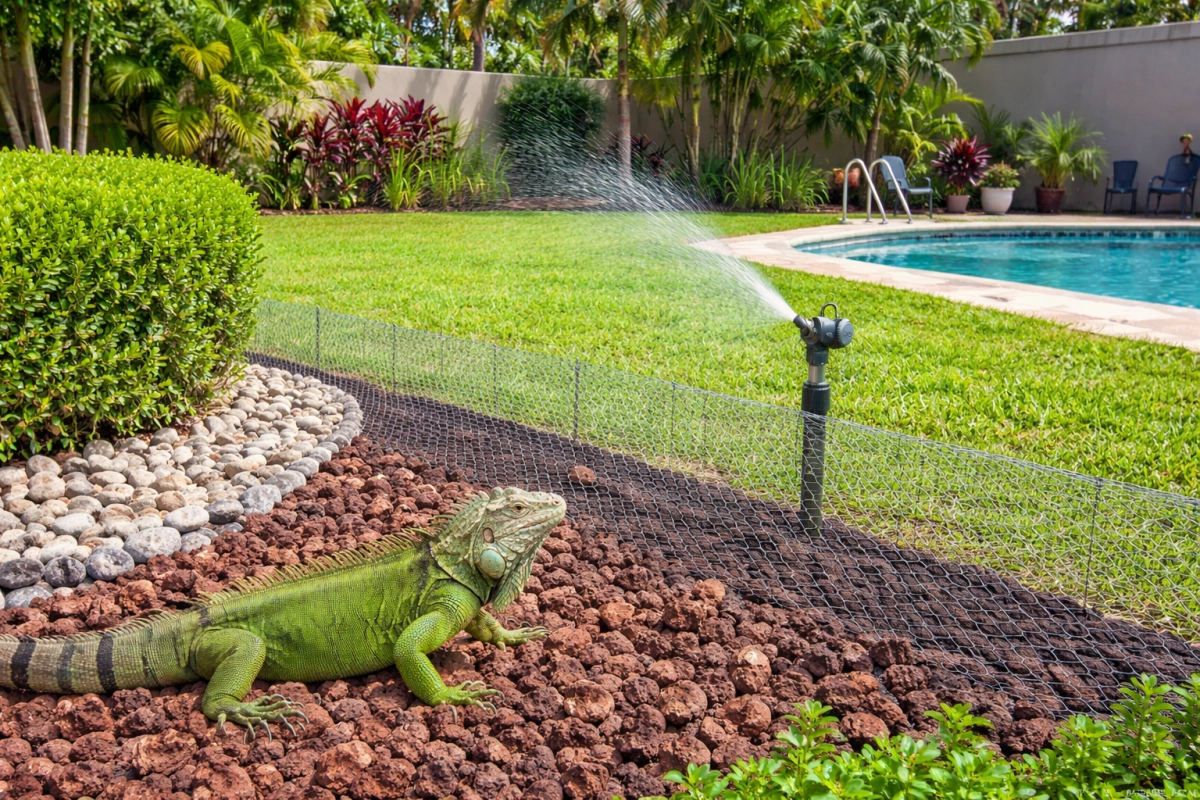

Florida faces a silent invasion advancing through yards, parks, and urban canals: millions of green iguanas are multiplying uncontrollably and have already forced the state to spend more than a million dollars just on capture and control efforts. Although these reptiles seem harmless or even exotic to many tourists, authorities consider them an invasive species with a high environmental, economic, and health impact. The problem grows year after year and is no longer limited to natural areas: today, iguanas are part of the urban landscape in several cities in South Florida. Why are green iguanas a problem? The origin of the phenomenon dates back decades, when iguanas arrived as exotic pets or through the illegal trade and were later released or escaped. Florida's warm climate, the absence of natural predators, and the abundance of food did the rest. Currently, it is estimated that there are millions of iguanas scattered throughout the state, especially in Miami-Dade, Broward, and Palm Beach counties. Their presence causes damage to gardens, infrastructure, levees, and drainage systems, in addition to risks from the transmission of bacteria such as salmonella. Faced with this scenario, Florida has implemented specific programs to control the population. The expenditure exceeds one million dollars and includes contracts with licensed hunters, monitoring in sensitive areas, and awareness campaigns. Unlike other protected species, green iguanas can be legally captured on private land (with the owner's permission) and in designated public spaces, always under strict animal welfare regulations. Authorities insist that the goal is not to eradicate them completely, but to reduce their impact and curb their spread. The iguana population's advance is also generating debate among residents. While some neighbors celebrate the measures due to the damage they cause to homes and vehicles, others question the method and call for less aggressive alternatives. The truth is that the problem is already structural and will continue to grow if a constant control policy is not maintained. In parallel,The state recommends not feeding them, not releasing them into the wild, and reporting unusual concentrations. Beyond the economic impact, the iguana case reveals a greater challenge for Florida: how to manage invasive species in a context of climate change, accelerated urbanization, and mass tourism. What began as an exotic curiosity has transformed into an environmental emergency that today demands resources, planning, and difficult decisions. And everything indicates that, for now, the iguanas are here to stay. How to get rid of green iguanas from your house (step by step) What not to do: what doesn't help and can cause problems Effective removal is not a one-off event: it's prevention plus constant deterrence. If your house stops being attractive, the iguanas will leave on their own and won't return.
What risks do you run after an animal bite?
The phenomenon that explains why iguanas fall from trees when it's cold in South Florida
Cockroach toxins represent a strong risk factor for childhood asthma