

How often should I have my car inspected? Everything you need to know
Vehicle technical inspection is not just a mandatory procedure, it's key to preventing accidents, avoiding penalties, and keeping your car in good condition
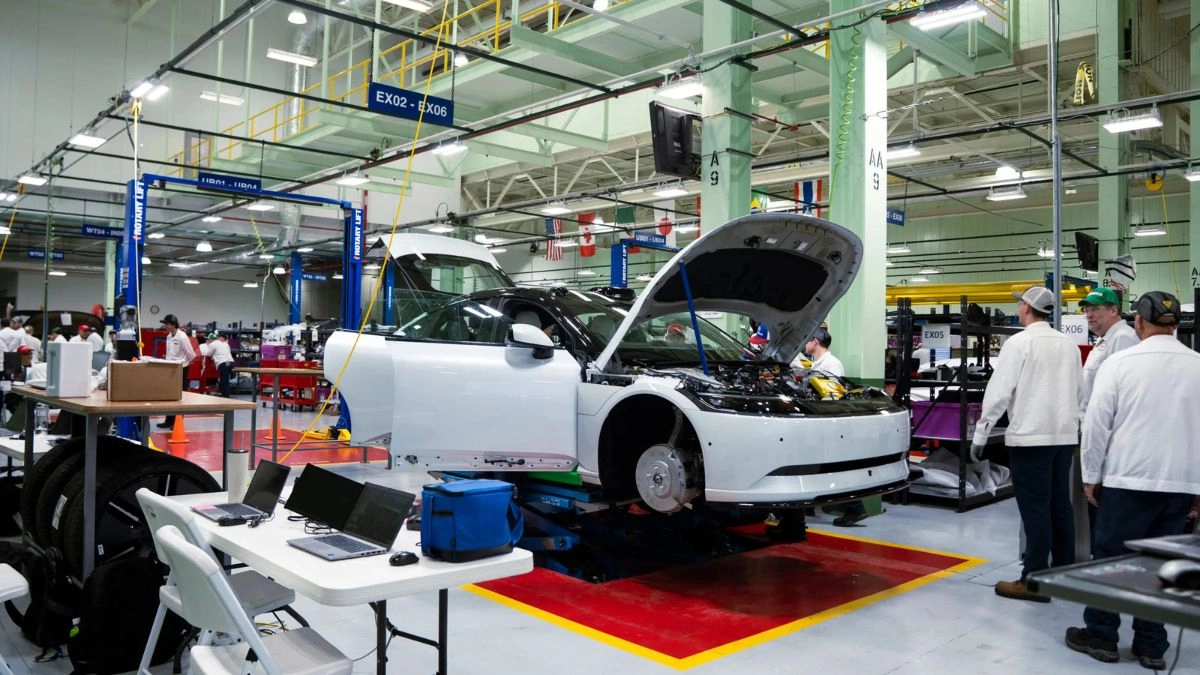

For many drivers, vehicle technical inspection only comes up when a fine arrives, when the insurance company objects, or when the document renewal process is held up without explanation. However, this periodic inspection serves a much deeper purpose than a simple administrative requirement.
Read also: 2026 Subaru Outback Wilderness, robust and effective
It is an evaluation designed to confirm that the car can be driven without endangering the driver, passengers, or other road users. Furthermore, it seeks to limit the environmental impact of vehicles, especially in cities where air pollution already represents a serious public health problem.
You can read: Not even they believe it: Jaguar workers doubt their future
Knowing when it's due, what elements are checked, and how to prepare can save time, money, and more than one headache.
What exactly is a vehicle technical inspection?
A vehicle technical inspection, also known as a vehicle inspection or mandatory mechanical inspection depending on the country, is a check carried out by authorized centers to verify that the car meets minimum safety and emissions standards.
During the procedure, certified technicians examine essential components of the vehicle, from the braking system to the condition of the tires, the lighting, and the levels of gases coming from the exhaust. In many places, if a car fails the test, it is legally prohibited from being driven until the necessary repairs are carried out. Beyond the legal obligation, this check serves as a preventative diagnostic tool. Detecting a problem with the steering, suspension, or braking system early can prevent much more expensive repairs or serious accidents in the future. Each country has its own schedule: here's how the periodicity works. There is no single global rule for determining when the inspection should be done. The frequency depends on the country and even the region or state. In the United States, for example, several states require annual safety inspections. New York, Texas, and Virginia are among the strictest in this regard. In others,Such as California, the inspection focuses primarily on emissions and is carried out every two years, usually coinciding with vehicle registration renewal. There are also special cases: when a car changes ownership, some states require a mandatory inspection before completing the transfer. In contrast, territories like Florida do not require periodic technical inspections for private vehicles. In Latin America, the system is usually different. In Colombia, for example, the technical-mechanical inspection is carried out annually after the first few years of the vehicle's life and is organized according to the license plate number. Although the details vary, the principle is the same: to verify that the car is still roadworthy.
What parts of the car are checked in more detail?
Although each authorized center has its own protocol, most inspections focus on the same critical points.
An important detail is that, in many centers, if the “Check Engine” light is on, the vehicle automatically fails, as it indicates an active fault in the engine control or emissions system.
Documents and preparation before going to the inspection center
Arriving prepared makes the difference between a quick process and a waste of time. The following are usually required:
In addition, it is advisable to check the condition of the lights, tire pressure, and fluid levels beforehand. Cleaning the car, removing loose objects from the interior, and verifying that the tinted windows comply with legal limits also helps avoid unnecessary failures.
How much does the vehicle inspection cost?
The price varies depending on the location, the type of vehicle, and whether the inspection includes only safety or also emissions.
Heavy or commercial vehicles usually pay higher fees. If the car fails, it needs to be repaired and the inspection repeated. Some workshops offer a discounted second attempt if you return within a few days.
Real benefits beyond complying with the law
Keeping your vehicle inspection up to date not only avoids fines or delays in administrative procedures.
Some new vehicles are exempt during their first few years, while classic cars may have special regulations. Therefore, it is best to periodically check local regulations and note the expiration date on a calendar or your phone.