

Kevin Warsh is appointed the new president of the Federal Reserve, approved by the Senate
The Senate confirmed Kevin Warsh as new chairman of the Federal Reserve (Fed), at a time of high pressure over interest rates
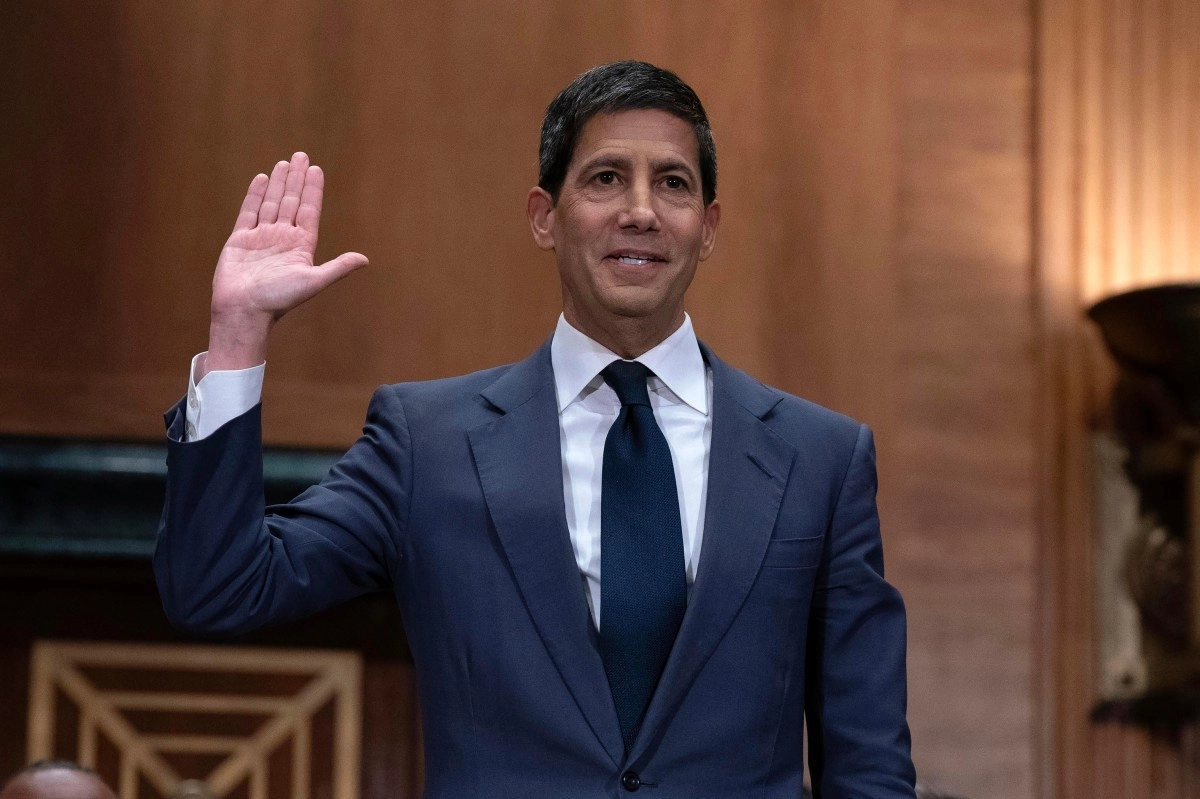

The Senate of the United States made a decision and confirmed Kevin Warsh as the new chairman of the Federal Reserve (Fed). This is expected to mark a new direction in the financial system ro of the country, in a challenging context where inflation risen again and interest rates have maintained without major changes, despite pressures from President Donald Trump.
Warsh obtained final approval this Wednesday with 54 votes in favor and 45 against, in one of the most divided votes recorded for this car go. The backing came primarily from Republican lawmakers, along with a single Democratic vote, that of Senator John Fetterman of Pennsylvania.
The new president of the Fed is a lawyer, financial and had already held a position as governor of the institution between 2006 and 2011. His return occurs after a payroll process complex action, promoted by President Donald Trump, who has maintained constant differences with the monetary policy of the body, currently led by Jerome Powell.
During his confirmation hearing, Warsh avoided answering some key questions about the economy and the recent political scene. He was even questioned on whether he recognized Trump's defeat in the 2020 elections against Joe Biden, a topic that he dodged without a clear answer, which increased doubts about his independence.
The new Fed leader will take office on Friday, just as Jerome Powell's term as chairman ends. Powell leaves the post after years marked by decision s criticisms, including the management of the economy during the COVID-19 pandemic and its firm stance in the face of pressures from the White House to reduce interest rates.
The Justice Department's efforts to investigate Powell generated tension in the Senate. The investigation was finally dropped in April, allowing Warsh's confirmation to be unblocked.
Also, for months, President Trump publicly pressured Powell with direct criticism, calling him terms like “dumb” and “too slow” for not reducing rates more aggressively. There were also attempts to open legal investigations related to the central bank, which increased concerns about the institution's independence.
Warsh becomes the presidency in a complex economic context. Inflation in the United States has remained above the Fed's 2% target, and in rec months ients reached levels close to 3.8%, driven mainly by the increase in energy prices due to international tensions and the conflict in Iran.
The new president has publicly defended the need for a change in the approach of the central bank, a “regime change” in monetary policy, with a more conservative strategy, possible reduction in interest rates It is and a review of the size of the Fed's balance sheet. It has also raised greater coordination with the Department of the Treasury, a stance that generates debate among analysts about the limits of institutional independence.
“Independence in monetary policy is essential,” Warsh declared during his Senate confirmation hearing last month, as a way to dodge questions about his closeness to the Trump administration.
Although Warsh assumes the leadership of the institution, his power is not absolute, since interest rate decisions depend on a committee of 12 members, where governors designated by different governments and regional presidents of the Fed coexist.
Warsh's leadership will be watched closely by markets, analysts and legislators, as the United States enters a new monetary policy cycle with decisions that could directly impact the pockets of millions of families.