

Trump is seeking to suspend the federal gasoline tax, but experts say that will not solve the problem
Since 1993 a flat tax 18.4 cents per gallon for gasoline and gasohol and 24.3 cents per gallon for diesel has been maintained
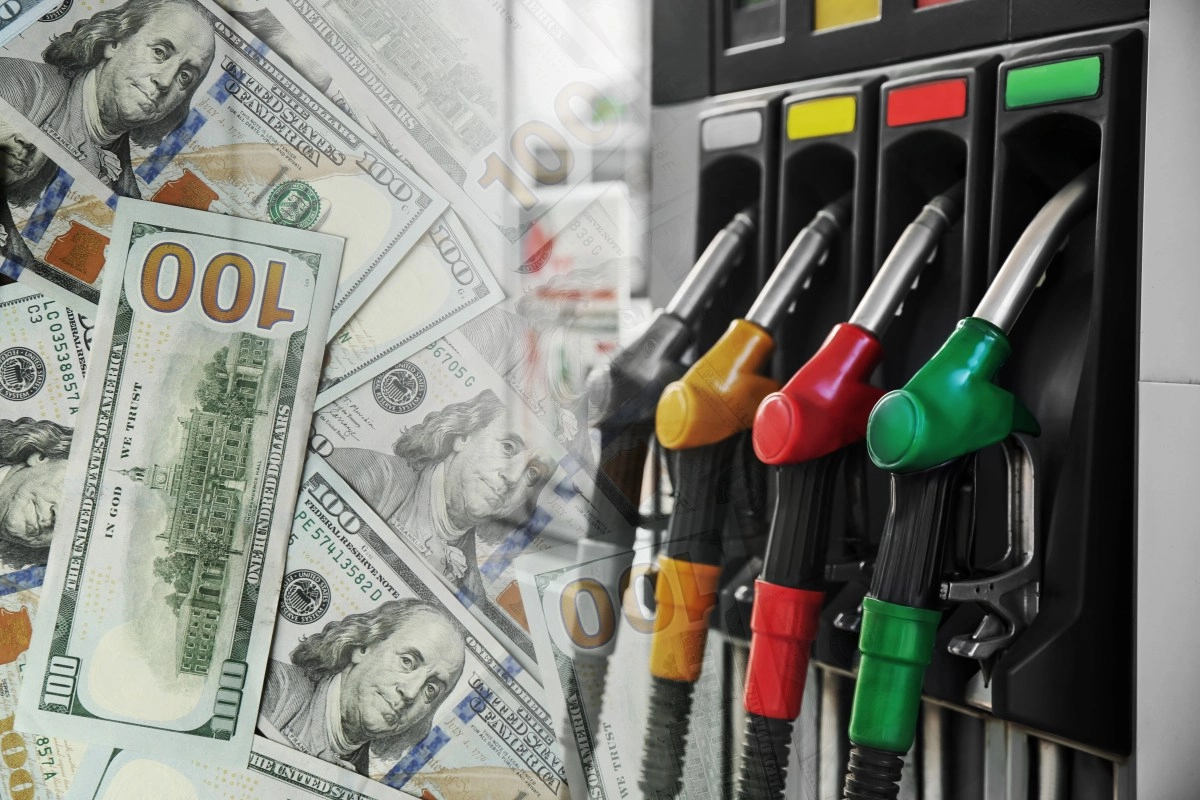

In recent months, gasoline in the United States has skyrocketed to reaching more than $4.50 per gallon, and in an attempt to generate relief to consumers' pockets, this Monday in Evista CBS President Donald Trump expressed that his next goal will be to suspend the federal gasoline tax for a time, but will this be a solution to the problem of the increase in fuel?
The federal gasoline tax has been in force in the United States since 1993, with a fixed tax since of 18.4 cents per gallon for gasoline and gasohol and 24, 3 cents per gallon for diesel, and the collection finances the Highway Trust Fund, which goes to road infrastructure and other public transportation projects.
And although the Executive seeks to suspend the tax after an order, its interruption for a time requires approval by Congress; in addition, this suspension could cost the federal government hundreds of millions of dollars.
Given Trump's proposal, some analysts and experts consider that it will not be the solution to the problem of gasoline's increase. For Kyle Pomerleau, principal researcher at the American Enterprise Instit ute, a conservative leaning organization, the federal gasoline tax hasn't been increased in years, so suspending it at this time will only aggravate existing and persistent deficits.
Even specialists like Patrick De Haan, chief of oil analysis at GasBuddy, have commented that in the coming weeks,many states could experience a strong round of gasoline price increases.
In this regard, Kenneth Kim, senior economist at KPMG LLP, considers that the high cost of fuel is another negative aspect for the consumer in regards to the cumulative inflation they have experienced. deal. Last year was tariffs and this year is high energy costs. The consumer is under pressure, and low income consumers are suffering the consequences,” he told USA Today.
For his part, Rob Thummel, senior portfolio manager at Tortoise Capital, proposes a more logical and effective way to improve the affordability problem, and that includes reaching an agreement with Iran and opening the Strait of Hormuz.
“If global oil markets regain confidence that oil and refined products can circulate freely, crude prices could fall, which probably would reduce gasoline and diesel prices in the United States by a significantly greater amount than the 18.4 cent federal gasoline tax,” he said.
Finally, an analysis developed by the Bipartisan Policy Center in mid-April indicated that the suspension of this menu tax The five months would generate a revenue loss of $17 billion dollars and increase the federal deficit to $12 billion dollars.