

Mistakes to make when signing a rental agreement for the first time
When you sign a rental agreement in the United States for the first time, you might be making some mistakes. We tell you what not to do to protect yourself
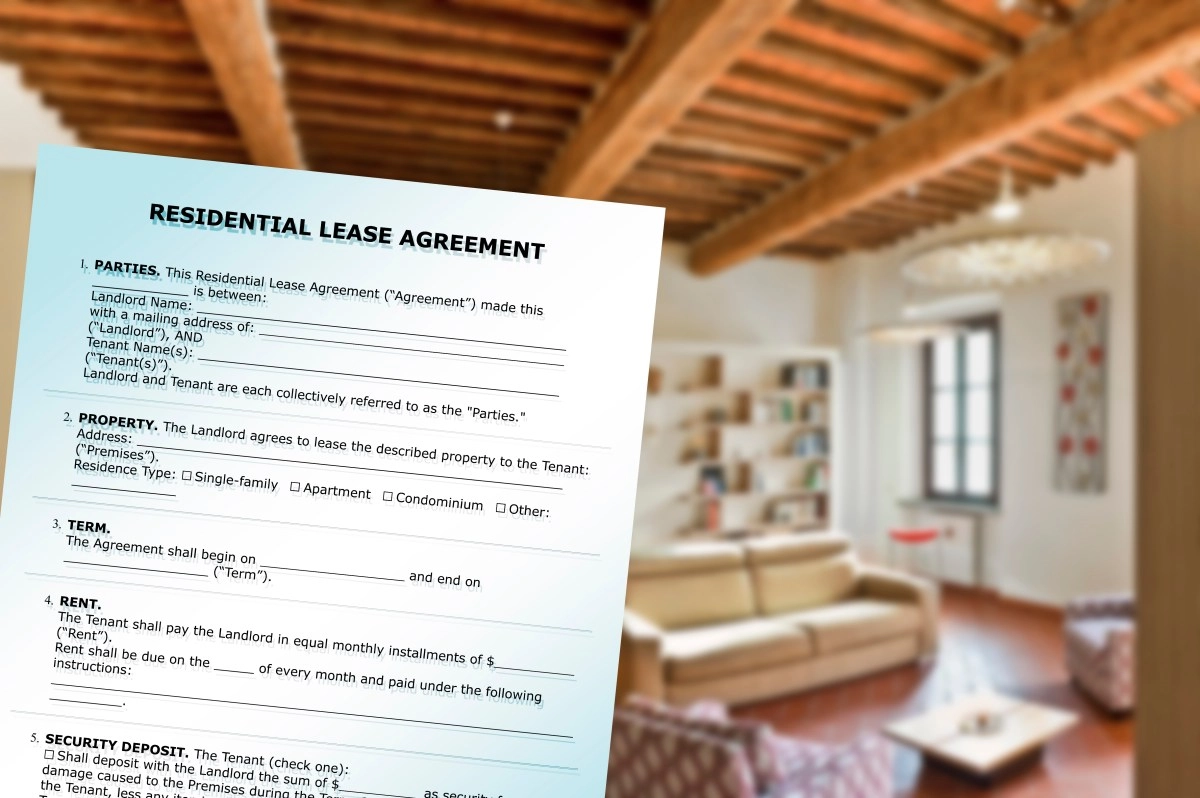

Signing a rental agreement for the first time in the United States can be overwhelming, especially for those unfamiliar with local housing laws. Many mistakes occur due to a lack of knowledge and can lead to legal disputes, unexpected expenses, or even evictions. Identifying such pitfalls before signing is key to protecting your rights as a tenant. In this article, we explain the most common mistakes and how to avoid them. 1. Not checking if the contract complies with state and local laws. In the United States, rental rules are not the same across the country. Each state, and even some cities, have specific laws regarding deposits, evictions, rent increases, and minimum housing conditions. A common mistake is assuming that any clause is valid simply because it is written in the contract. Before signing, it is important to verify that the document does not contradict the laws of your state or city, as illegal clauses are not always obvious to first-time renters. 2. Relying solely on verbal agreements. Many tenants accept promises made by the landlord, such as future repairs or flexible payments, without these being put in writing. In the United States, anything not included in the contract is often difficult to enforce legally.
Any additional agreements should be clearly included in the signed document to avoid misunderstandings or breaches.
3. Not understanding the early termination conditions
Another common mistake is not reviewing what happens if you need to move out before the contract ends. Some contracts stipulate high penalties, an obligation to pay several months' rent, or total loss of the deposit.
Knowing these conditions from the beginning allows you to assess whether the commitment is realistic given your employment or family situation.
4. Overlooking the rules on maintenance and repairs
In the United States,The landlord has an obligation to maintain the property in habitable condition, but many contracts attempt to shift responsibility to the tenant. Signing without reviewing this section can mean assuming repair costs that aren't your responsibility. It's important to distinguish between basic maintenance and structural repairs, and to verify that the contract respects the landlord's legal obligations. 5. Not documenting the condition of the property upon moving in. Signing a contract without recording the initial condition of the apartment or house is a mistake that directly affects the security deposit. Without proof, the landlord can claim damages that already existed. Taking photos, videos, and completing a written inventory before moving in is a recommended practice to protect your money. 6. Not knowing the security deposit rules. Each state in the United States regulates how the security deposit should be handled, including the maximum amount, the timeframe for its return, and valid reasons for deductions. Many tenants sign without knowing these rules.
Not reviewing this information can make it difficult to recover your deposit at the end of the lease.
7. Not reviewing the policies on visitors and subletting
Some leases limit who can live in the property, how long visitors can stay, or whether subletting is allowed. Ignoring these rules can lead to warnings or even termination of the lease.
Reading this section prevents unintentional violations of the agreement.
Signing without requesting a signed copy of the lease
A basic but common mistake is not keeping a copy of the lease signed by both parties.
In case of a dispute, this document is essential to assert your rights as a tenant. Keeping a physical or digital copy is an indispensable protective measure. Avoiding these mistakes when signing a rental agreement for the first time in the United States allows you to make informed decisions, reduce legal risks, and begin your rental experience with greater security and peace of mind. You may also be interested in: · Most families in the U.S. cannot afford childcare: study · Buy now and pay rent later? This is how this service would work · CHIRLA denounces attack on immigrant helplines in Los Angelesand verify that the contract respects the landlord's legal obligations.
5. Not documenting the condition of the property upon moving in
Signing a contract without documenting the initial condition of the apartment or house is a mistake that directly affects the security deposit. Without proof, the landlord can claim damages that already existed.
Taking photos, videos, and completing a written inventory before moving in is a recommended practice to protect your money.
6. Being unaware of the security deposit rules
Each state in the United States regulates how the security deposit should be handled, including the maximum amount, the timeframe for its return, and valid reasons for making deductions. Many tenants sign without knowing these rules.
Not reviewing this information can make it difficult to recover the deposit at the end of the contract.
7. Not reviewing the policies on visits and subletting
Some contracts limit who can live on the property, how long visitors can stay, or whether subletting is allowed. Ignoring these rules can result in warnings or even termination of the contract.
Reading this section prevents unintentional violations of the agreement.
Signing without requesting a signed copy of the contract
A basic but common mistake is not keeping a copy of the contract signed by both parties. In case of a dispute, this document is essential to assert your rights as a tenant. Keeping a physical or digital copy is an indispensable protective measure. Avoiding these mistakes when signing a rental agreement for the first time in the United States allows you to make informed decisions, reduce legal risks, and begin your rental experience with greater security and peace of mind. You may also be interested in: · Most families in the U.S. cannot afford childcare: study · Buy now and pay rent later? This is how this service would work · CHIRLA denounces attack on immigrant helplines in Los Angelesand verify that the contract respects the landlord's legal obligations.
5. Not documenting the condition of the property upon moving in
Signing a contract without documenting the initial condition of the apartment or house is a mistake that directly affects the security deposit. Without proof, the landlord can claim damages that already existed.
Taking photos, videos, and completing a written inventory before moving in is a recommended practice to protect your money.
6. Being unaware of the security deposit rules
Each state in the United States regulates how the security deposit should be handled, including the maximum amount, the timeframe for its return, and valid reasons for making deductions. Many tenants sign without knowing these rules.
Not reviewing this information can make it difficult to recover the deposit at the end of the contract.
7. Not reviewing the policies on visits and subletting
Some contracts limit who can live on the property, how long visitors can stay, or whether subletting is allowed. Ignoring these rules can result in warnings or even termination of the contract.
Reading this section prevents unintentional violations of the agreement.
Signing without requesting a signed copy of the contract
A basic but common mistake is not keeping a copy of the contract signed by both parties. In case of a dispute, this document is essential to assert your rights as a tenant. Keeping a physical or digital copy is an indispensable protective measure. Avoiding these mistakes when signing a rental agreement for the first time in the United States allows you to make informed decisions, reduce legal risks, and begin your rental experience with greater security and peace of mind. You may also be interested in: · Most families in the U.S. cannot afford childcare: study · Buy now and pay rent later? This is how this service would work · CHIRLA denounces attack on immigrant helplines in Los Angelesincluding the maximum amount, the repayment period, and valid reasons for deductions. Many tenants sign without knowing these rules.
Not reviewing this information can make it difficult to recover the deposit at the end of the lease.
7. Not reviewing policies on visitors and subletting
Some leases limit who can live on the property, how long visitors can stay, or whether subletting is allowed. Ignoring these rules can lead to warnings or even termination of the lease.
Reading this section prevents unintentional violations of the agreement.
Signing without requesting a signed copy of the lease
A basic but common mistake is not keeping a copy of the lease signed by both parties.
In case of a dispute, this document is essential to assert your rights as a tenant. Keeping a physical or digital copy is an indispensable protective measure. Avoiding these mistakes when signing a rental agreement for the first time in the United States allows you to make informed decisions, reduce legal risks, and begin your rental experience with greater security and peace of mind. You may also be interested in: · Most families in the U.S. cannot afford childcare: study · Buy now and pay rent later? This is how this service would work · CHIRLA denounces attack on immigrant helplines in Los Angelesincluding the maximum amount, the repayment period, and valid reasons for deductions. Many tenants sign without knowing these rules.
Not reviewing this information can make it difficult to recover the deposit at the end of the lease.
7. Not reviewing policies on visitors and subletting
Some leases limit who can live on the property, how long visitors can stay, or whether subletting is allowed. Ignoring these rules can lead to warnings or even termination of the lease.
Reading this section prevents unintentional violations of the agreement.
Signing without requesting a signed copy of the lease
A basic but common mistake is not keeping a copy of the lease signed by both parties.
In case of a dispute, this document is essential to assert your rights as a tenant. Keeping a physical or digital copy is an indispensable protective measure. Avoiding these mistakes when signing a rental agreement for the first time in the United States allows you to make informed decisions, reduce legal risks, and begin your rental experience with greater security and peace of mind. You may also be interested in: · Most families in the U.S. cannot afford childcare: study · Buy now and pay rent later? This is how this service would work · CHIRLA denounces attack on immigrant helplines in Los AngelesUS can't afford childcare: study· Buy now, pay rent later? Here's how this service would work· CHIRLA denounces attack on immigrant helplines in Los Angeles