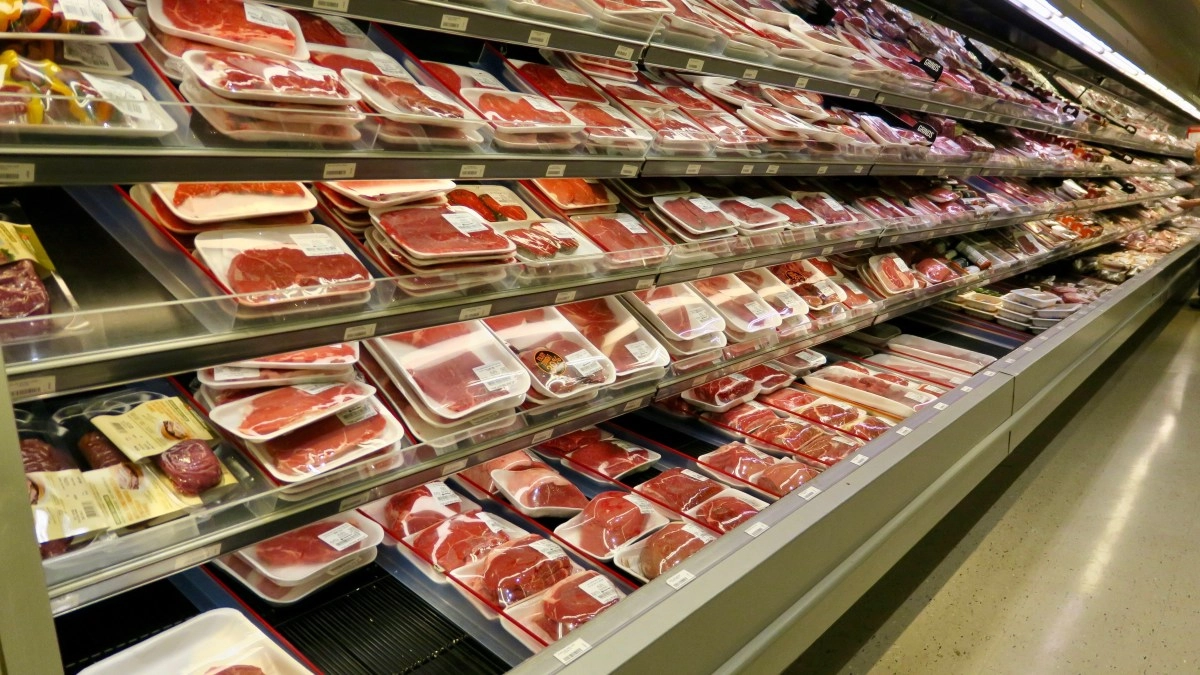

According to data recently published by the Bureau of Labor Statistics (BLS) on the consumer price index (CPI), in the last year the price of beef in the United States has increased by 11.8%, one of the highest costs amid high demand and low supply.
The reason for this increase is due to several factors, mainly the scarcity of livestock; Currently, bovine production is at one of its lowest levels. Many production regions have been affected by severe droughts, which has led many ranchers to liquidate their livestock.
But producers are not only facing strong climate change, but also high inflation in terms of costs of equipment, machinery, fuel and labor.
Although importation has emerged as a response to the problem, concerns about diseases affecting livestock and the high costs of tariffs have restricted the market.
The BLS report also detailed that ground beef prices were up 12.4% compared to last year, steaks were up 11.4%, and roasts were up 13.8%. This has led many companies in the sector, such as Tyson Foods, to operate with losses of up to $138 million dollars with a drop in sales of 15.9%.
Earlier this year, the United States Department of Agriculture (USDA) predicted that the price of beef could increase between 10% and 18%, indicating that the main factor would be the reduction of cattle herds due to high meat consumption.
For his part, David Ortega, a food economist at Michigan State University, commented that he expects prices to not only remain high this year, but also next year, adding that “the increase in the price of diesel will affect the costs of the entire agri-food supply chain, from the operation of the combine to the transportation of the grain needed by ranchers, to the transportation of processed meat products to the store,” he said.