

The 6 common mistakes when using automatic payment
Automatic payment can be your best ally if you use it correctly; but if you make a mistake, that can be a serious financial problem: what to avoid doing
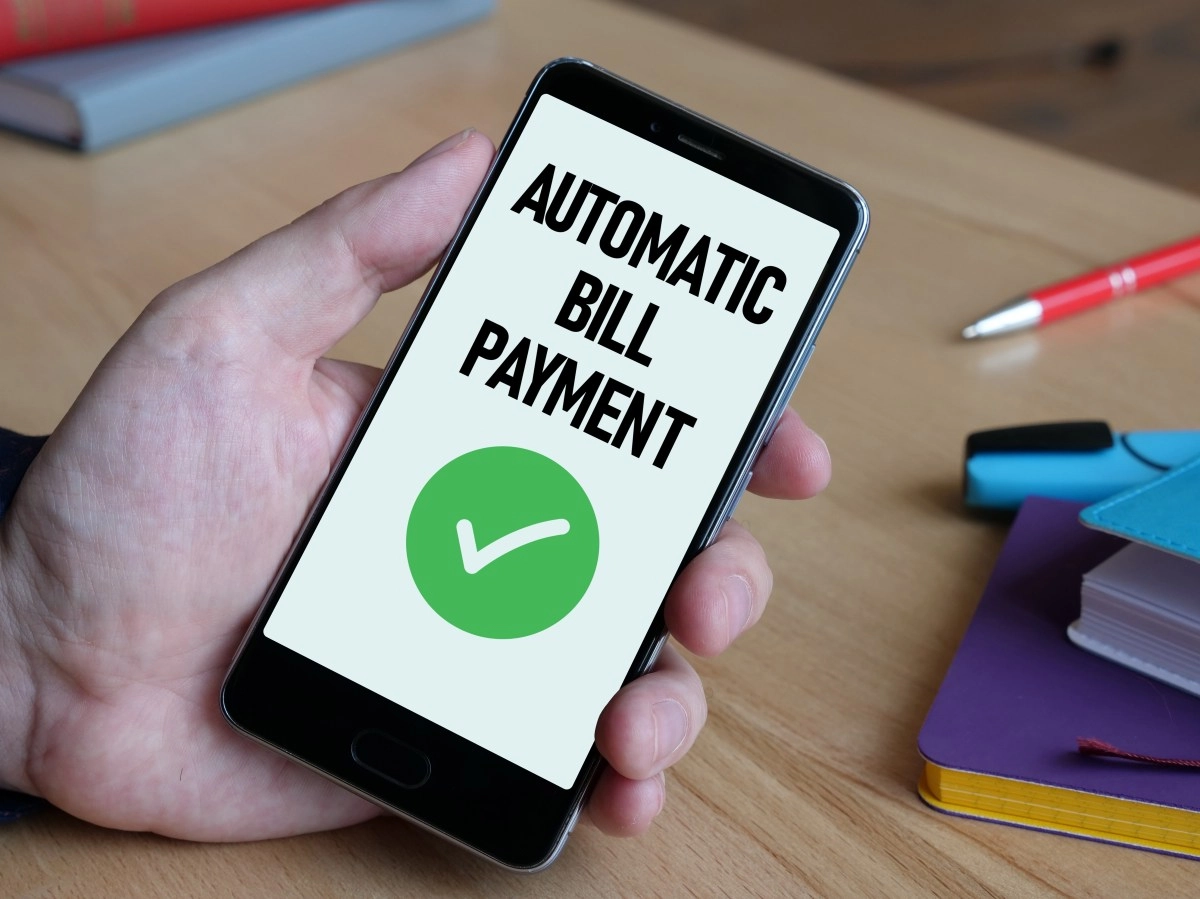

Automatic payment is a functionality that banks and different services provide you that help you not worry about making important payments during the month. With this facility, delays, late fees and even overdrafts are put to an end. However, this convenience also has its dark side and here we are going to detail the common errors when using this configuration, which more than benefiting you, could affect your finances.
1. Not having enough funds to cover the bills
Autopay only works if you have enough money available in your linked bank or credit account. And it is good to make this clarification, because having a credit card does not guarantee that you will have enough money to make your payments if you consume your entire line. In those cases, you will most likely trust that the charge was made and not realize that it was not, which could result in your service being cut off or incurring late fees.
But when we talk about your automatic payments being linked to your personal bank account, the issue can be more complicated. Not realizing a missed payment may be the least of your evils, however, if your account does not have overdraft protections, the automatic charge may result in higher costs with your bank.
The solution: Check your balances periodically to confirm you have enough money to cover your automatic payments.
2. Don't set payment reminders
Setting reminders about services that are on automatic payment will help you avoid mistake one: that a charge is not made in a timely manner or that you may cause an overdraft on your account.
Additionally, these alerts help you detect problems before you have them, such as low balance. It is also functional in the sense that you could do a service check; Many people pay for things they no longer use or don't realize have already gone up.
3. Use a single account for all your automatic payments
Linking all of your automatic payments into a single bank account or credit card may seem like the most convenient thing to do for your financial organization, however, the risks multiply.
Let's return to the scenario of not having sufficient funds or credit: by having your payments in a single account, you would not only fail to transfer one service, but also all or the vast majority of those that you have linked to it on very close dates.
To reduce this risk, it is advisable to distribute automatic payments between different accounts whenever possible. Even using different financial companies could give you more security in the event of claims or clarifications.
4. Add services in automatic payment that you shouldn't
Automatic payment works at its best when you have bills that have a fixed charge, such as rent, mortgage, personal or auto loans, or some subscriptions. However, it is not advisable to add variable invoices such as utilities and medical expenses in the automation.
Tip: It is preferable to pay your variable billing services manually, because it helps you have better control of your money and more attention to your consumption that can affect certain bills, such as electricity.
5. Stop updating payment methods
If you have an overdue credit card or bank account that you had automatic payments set up on, your service charges will fail. Whenever you change banks or credit issuers, you should immediately update your automatic payments to avoid problems.
Tip: Just as we recommend setting alerts for your automatic payments, do the same in the days or weeks prior to the expiration date of your account or credit card.
6. Stop checking your bills regularly
As you have seen, automatic payment can be your best ally, but carelessness can turn it into your worst financial enemy. Letting a service charge for itself does not mean you forget about your bills. If you don't review them, you'll ignore incorrect charges and unexpected increases that could throw your budget out of balance. Even this omission would allow charges for subscriptions that you no longer use.