

Does the engine consume oil? These are the most common causes
A reduction in the oil level does not always indicate a breakdown. Engine heat and wear can have more influence than you imagine.
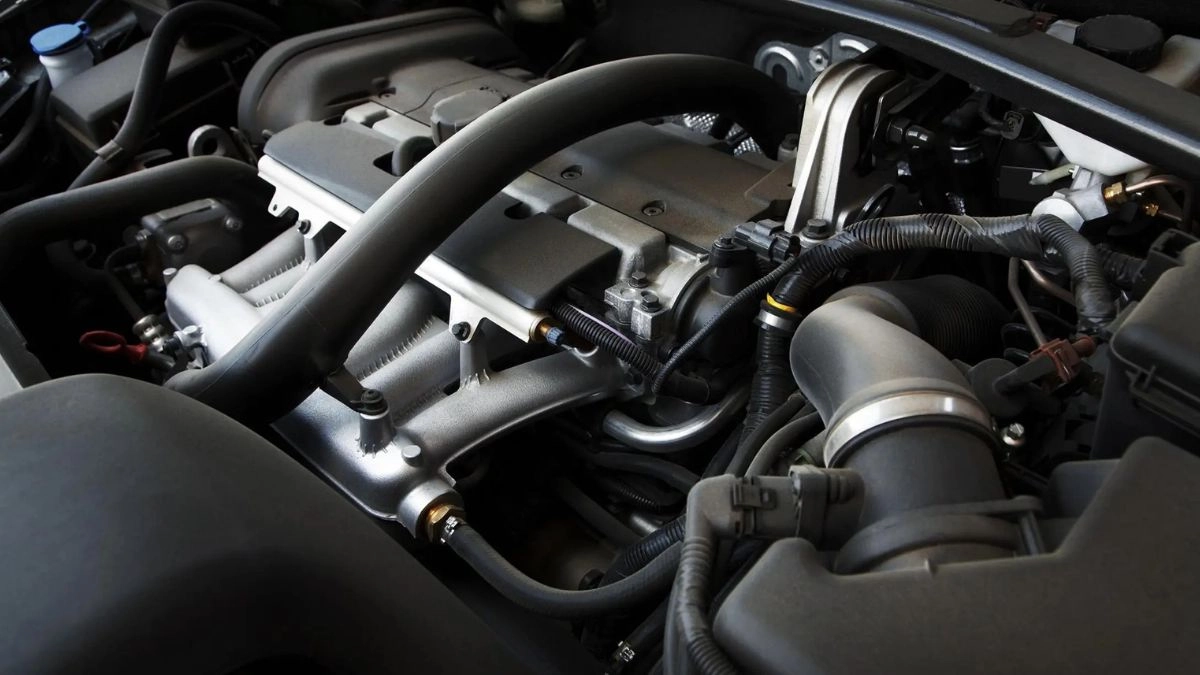

Checking the oil level and discovering that it is lower than expected usually sets off alarms. The first thing many drivers think is that there is a leak or a major breakdown, but that is not always the explanation.
Read also: Hyundai wants a more aggressive and powerful Elantra N
There is a belief that engine oil simply “evaporates” like water does when exposed to heat. The reality is a little more complex. Although modern lubricants are designed to withstand very high temperatures, a small part of their components can be lost during normal vehicle use.
You can read: The new Mitsubishi Montero rescues a super classic 4×4
That does not mean that the oil disappears completely due to heat, but rather that some of its lighter elements can gradually volatilize when the engine works under demanding conditions.
Heat influences, but it is not the only one responsible
Today's oils are formulated to lubricate, clean and protect internal engine parts even when temperatures are very high. However, no lubricant is completely immune to the passage of time and constant effort.
Long journeys, very hot environments, prolonged climbs or driving for a long time at high revs favor the volatilization of certain compounds in the oil. This is a slow process that usually goes unnoticed and, in itself, does not represent a mechanical problem.
For this reason, a slight decrease in the level between oil changes may be within what is considered normal by manufacturers.
Not every oil loss means a breakdown.
Many manufacturers accept as normal a consumption of up to half a quart of oil for every 1,000 to 1,500 miles driven. That figure can vary depending on engine design, type of driving, mileage accumulated and vehicle technology.
Turbocharged or high-performance engines can even consume a slightly higher amount without any failure.
The picture changes when the level drops rapidly or it is necessary to constantly add oil. In these cases, it is advisable to carry out a review to find the source of the problem.
Other causes may explain the consumption
Evaporation accounts for only part of the oil loss. A much more important cause is internal engine consumption, which occurs when the lubricant reaches the combustion chamber and ends up burning along with the air-fuel mixture.
Among the most common symptoms are blue smoke coming out of the exhaust and the smell of burning oil. Both can indicate that lubricant is getting where it shouldn't.
It is also possible that there are worn piston rings, a condition that reduces internal sealing and facilitates the passage of oil towards combustion. This fault usually requires a more complex repair.
Another possibility is deteriorated seals or gaskets. Although they do not always leave visible stains under the vehicle, they can cause a progressive loss of lubricant.
Checking the level is still the best prevention
Exposure to the sun or ultraviolet radiation does not cause the oil to evaporate inside the engine. The really important thing is to periodically check its level and use a lubricant that meets the specifications recommended by the manufacturer.
If the level drops before the scheduled oil change interval, it is advisable to fill it with the appropriate product and observe if consumption continues to increase.
When this decrease becomes frequent, a mechanical inspection will determine whether it is normal behavior or the first sign of a failure that should be resolved as soon as possible.