

Volvo bets on an AI that observes the road
Volvo tests a feature that will allow Gemini to analyze the environment using the EX60's camera without compromising privacy
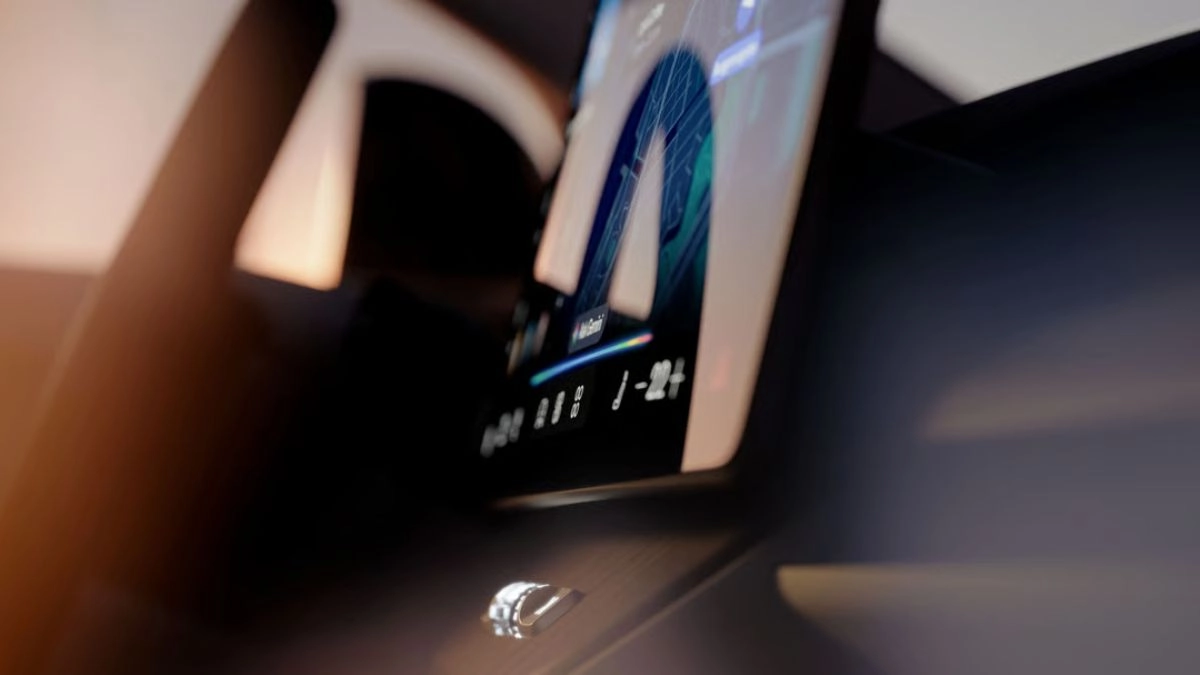

Talking to the car will no longer be the only way to interact with artificial intelligence. Volvo and Google are working on a feature that promises to change that relationship by allowing Gemini to interpret what's happening around the vehicle using the front camera, a capability that few brands are willing to enable.
Read also: More than 740,000 Fords must undergo inspection in the US.
The project features the future Volvo EX60, an electric SUV that is being used as a testing platform for this technology. The idea is simple, but very ambitious.
You can read: Polestar offers record discounts before leaving the US.
The driver will be able to ask Gemini what he is seeing in front of the vehicle and receive a response based on the analysis of the images captured at that moment.
The camera is only activated when the driver requests it.
One of the aspects that draws the most attention is the focus on privacy. According to Volvo, artificial intelligence will not have permanent access to the vehicle's camera.
When the user makes a query, the system will activate the front camera, analyze the scene and answer the question. Once this process is completed, the image transmission will be interrupted immediately, preventing Gemini from continuously observing the environment.
Sameer Samat, director of the Android ecosystem, explained the concept behind this innovation: “We wanted to discover what would be possible if Gemini, with your permission, could see the world as you experience it when driving.”
Google and Volvo strengthen their alliance
The collaboration between both companies is not new. Volvo has been using Android Automotive as the basis of its multimedia system for some time, especially in its range of electric vehicles, a relationship that now serves to develop much more advanced functions.
The proposal seeks to go beyond traditional voice control. Gemini would not only answer questions about the vehicle, but could also interpret what is happening on the road and offer useful information in real time.
A future with more driving assistance
Google has already demonstrated some of that potential in other developments. Polestar models feature immersive Google Maps navigation with real-time lane assistance, a system that uses the front camera to identify the vehicle's position and provide more precise directions while driving.
The company is also studying other possibilities for Gemini. Among them is the translation of traffic signs when the driver travels through a country with another language, a function that could facilitate international travel.
BMW is also working on assistants powered by artificial intelligence for its new electric models, although for now its developments focus mainly on control using voice and gestures and do not yet offer a system with a level of integration similar to the one that Google is testing together with Volvo.
Google's intention is to begin incorporating these new capabilities before the end of the year. However, it is still unclear whether the first units of the Volvo EX60 will arrive with this feature fully completed or whether it will initially be available as a technology under development.