

Why big tech companies like Amazon are laying off thousands of workers
Jeff Bezos's company and other large companies are cutting their workforces, justifying their decisions with new technology. The reality is more complicated.
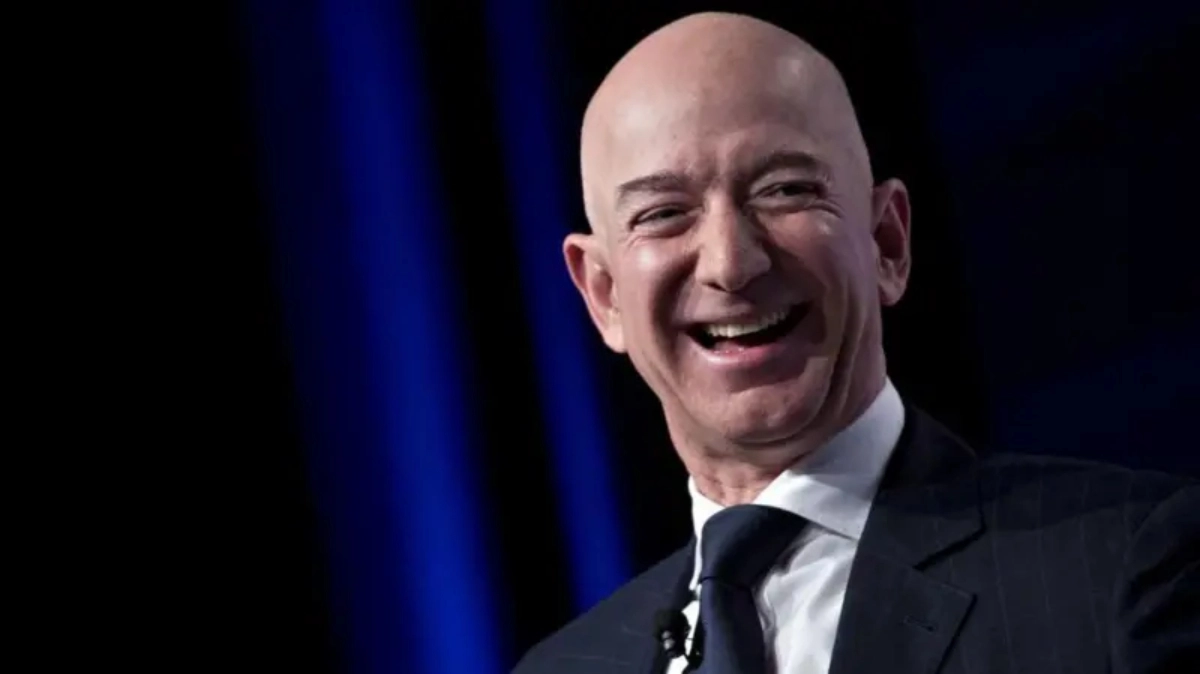

Amazon's announcement that it will cut thousands of jobs has raised concerns about the impact of artificial intelligence (AI) and its use to replace workers.
The tech giant joined a growing list this week of US companies that have cited AI technology as one of the reasons behind their plans to layoffs.
Chegg, the online education company, cited the “new realities” of AI when announcing a 45% reduction in its workforce on Monday. When Salesforce cut 4,000 customer service jobs last month, its chief executive said AI agents were doing the work. And UPS said Tuesday it has cut 48,000 jobs since last year, a reduction the package-delivery company's chief executive has partly attributed to machine learning. But some question whether AI is solely to blame and have expressed skepticism that the recent layoffs at high-profile companies are truly a consequence of technology's effect on employment. Martha Gimbel, executive director of the Budget Lab at Yale University, said drawing conclusions from executives' comments about the cuts is "possibly the worst way" to determine AI's effects on employment. She cautions that company-specific dynamics often come into play in each case. "Because everyone is so scared about the potential future impact of AI “In the labor market, there is a real tendency to overreact to announcements from individual companies,” Gimbel said. Certain sectors of the workforce, such as recent college graduates and data center employees, are particularly vulnerable to the adoption of this technology. A recent study by the Federal Reserve Bank of St. Louis found a correlation between occupations with a higher prevalence of AI and increased unemployment since 2022. But Morgan Frank, an assistant professor at the University of Pittsburgh, has studied unemployment risk by occupation and found that the only workers affected by the launch of ChatGPT in November 2022 were those in the administrative and office support sector Frank said the likelihood of these workers filing for unemployment benefits skyrocketed in early 2023,immediately after the arrival of the chatbot developed by the company OpenAI. But for computer science and math-related jobs, “there is no discernible change in the trend,” he said. “Both tech and administrative workers are in a tougher job market than they were a couple of years ago,” Frank said. “However, I would be skeptical that AI is the reason for everything,” he added. Amazon and many of its rivals in the tech sector hired at an accelerated pace in the years leading up to the Covid pandemic. and in the first few months of this period, when the US Federal Reserve cut interest rates to near zero.
According to experts, this hiring paved the way for eventual staff reductions at these companies, a dynamic separate from the generative AI boom of the last three years.
Hiring and Firing Cycles
Another factor that influenced this was the Federal Reserve's interest rate hike around the time ChatGPT launched.
“People perceive a lot of this conversation very differently because the term 'AI' is involved,” said Gimbel of the Budget Lab.
“But nothing I've seen so far is different from typical corporate hiring and firing patterns, particularly at this point in an economic cycle.”
A big question, he added, is what hiring patterns will look like when the economy returns to a period of solid growth.
In the long run, he said Gimbel, it will be crucial to distinguish between cyclical job losses. and those driven by AI. If the US economy were to fall into a recession, human resources and marketing positions would likely be the hardest hit. But those jobs are also exposed to AI, which complicates the task of identifying whether the cuts are the result of macroeconomic conditions, technology adoption, or both. Greater impact on tech companies: Amazon confirmed this week its plans to cut approximately 14,000 jobs and said it needs to become “more austere” to take advantage of the opportunity presented by artificial intelligence. The company has fared well. In July, it reported quarterly results that exceeded Wall Street expectations in several aspects, including a 13% year-over-year increase in sales, which reached $167.7 billion.
Enrico Moretti, an economics professor at the University of California, Berkeley, said that large technology companies like Amazon stand out in AI-related job cuts, “in part because they are both producers and consumers of AI.” company's latest round of layoffs may also have been a correction following strong hiring during the pandemic.
Amazon is likely able to automate jobs faster than most of its rivals because of its scale, said Lawrence Schmidt, an associate professor of finance at MIT's Sloan School of Management.
“It's not unreasonable to think that Amazon might want to get rid of certain types of positions, or refrain from hiring additional staff for certain roles, if they can "to be automated quickly," Schmidt said.
The expert points out that "regardless of what happens with the total number of jobs, a reassignment (of staff) would be expected."