

“Death by organ donation”, a new proposal that raises concern: medical vultures hunting corpses?
The proposal challenges the Dead Donor Rule. It would allow surgeons to extract organs from patients even when they are alive
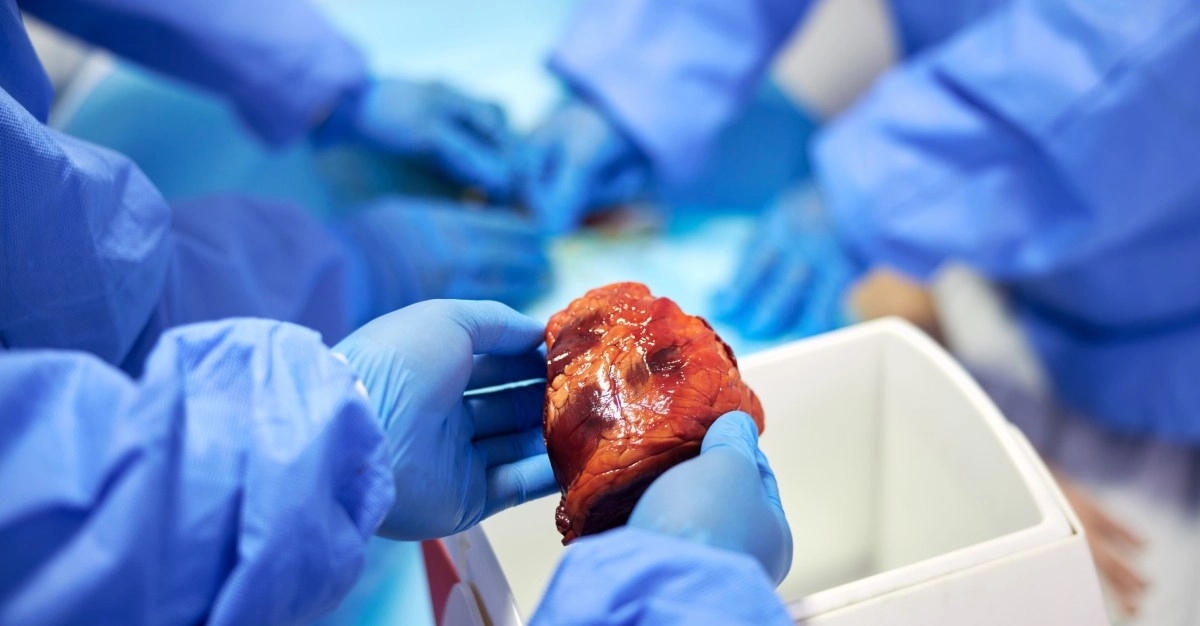

“Death by Organ Donation” proposes that patients who choose euthanasia can donate organs while they are still alive, thus increasing the viability of transplants. However, it would also cause their death.
This approach has been advocated by some doctors, such as Dr. Robert Truog, a physician and bioethicist at Harvard Medical School, who co-authored an article on death by organ donation published in the New England Journal of Medicine, reported by National Public Radio (NPR). Truog suggests that this practice could be altruistic and beneficial to others. “With great generosity, they have asked themselves: How could my death help other people?”
However, the proposal challenges the Dead Donor Rule, which stipulates that death must be confirmed before organ harvesting.
Currently, the hearts, lungs, livers and kidneys of euthanasia patients can only be removed after they have received a lethal dose of drugs, making their organs, especially their hearts, much less useful for transplant, recalls NPR.
The discussion revolves around the definition of death and current methods for procuring organs after euthanasia, generating tensions between medical ethics and the patient's desire.
For and against
Some bioethicists, such as Ruth Faden, argue that respect for patients' autonomy justifies this option. They believe that allowing dying patients to contribute to organ donation could be a valid ethical decision, as long as safeguards are in place to protect informed consent.
On the other hand, critics such as Lainie Friedman Ross consider that the act of causing death to remove organs amounts to murder.
It is considered that this change could even change the philosophy of euthanasia. Now, instead of a doctor administering a lethal medication to a patient, the patient's life would be ended by anesthetizing him or her and removing his or her organs while they were still functioning.
There are concerns then about how this practice could undermine confidence in the organ donation system and end-of-life care, as well as raising fears of abuse.
Future implications
Defenders of “Death by Organ Donation” argue that a dialogue must be opened about the ethical implications of this practice.
As regulations on euthanasia and organ donation evolve, it is essential to evaluate how the changes may affect both patients and healthcare professionals.
To top it off, NPR includes strong statements from Lori Andrews, a bioethicist and professor emeritus at the Chicago-Kent School of Law: "You could be causing real damage to both the physician-assisted suicide system and the organ donation system. It could give the impression that these are vultures that no longer wait for you to die before attacking. Images of body snatchers from previous centuries are certainly fading."
You may also be interested in:
· How to differentiate viral and bacterial infections to guide treatment · Learn 5 natural anti-allergy drugs before resorting to drugs · Millions of Americans look abroad for less expensive dental care