

Mexico insists that the US has not provided evidence to arrest officials related to drug trafficking
The SRE of Mexico made diplomatic communications public, defining a clear position based on respect for national sovereignty and due process
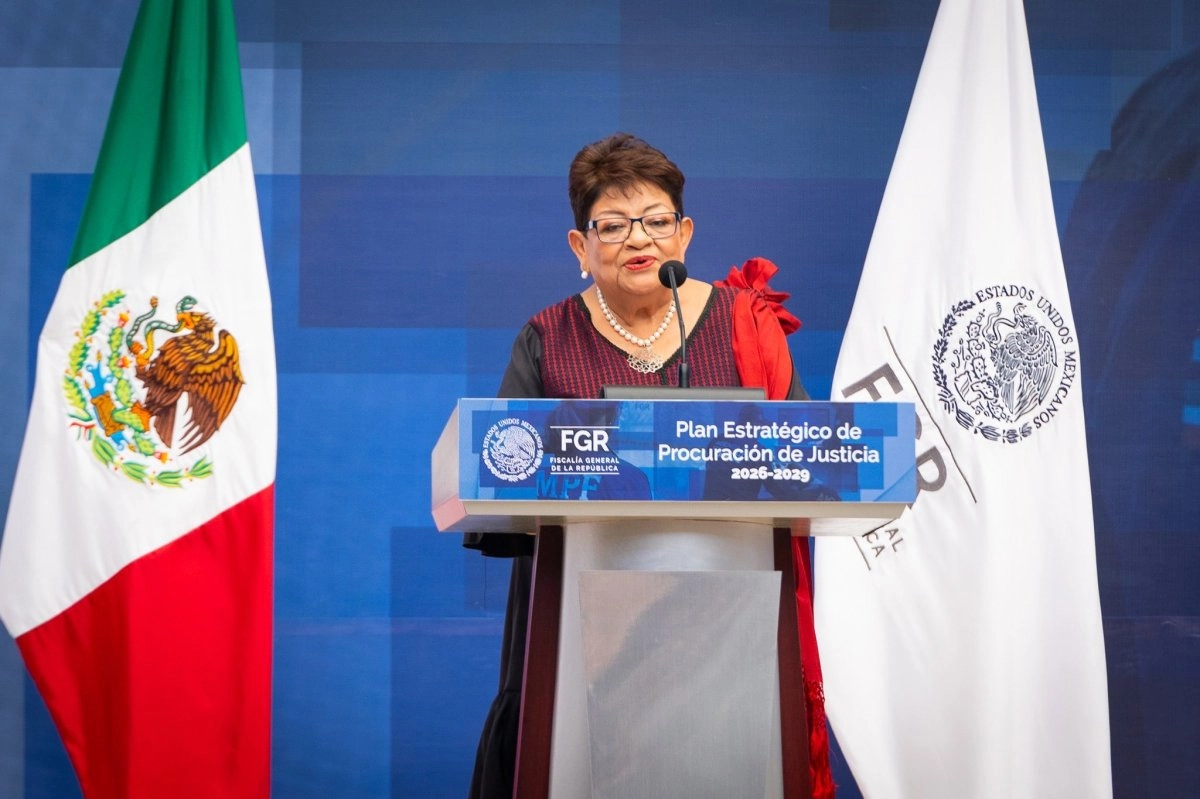

The Government of Mexico reiterated that the United States authorities have not yet presented the necessary evidence to support the request for provisional detention for the purposes of extradition of the licensed governor of Sinaloa, Rubén Rocha Moya, and other Mexican officials identified for alleged links to drug trafficking.
During a press conference, officials from the Attorney General's Office (FGR) reported that the investigations continue, but stressed that, in accordance with the Mexican legal framework, there are not sufficient evidentiary elements to execute the orders requested by the United States Department of Justice.
David Boone, head of the Specialized Regional Control Prosecutor's Office, explained that the Mexican authorities have interviewed Governor Rocha Moya and other public servants mentioned in the US indictment, including Senator Enrique Inzunza Cázarez and the mayor of Culiacán, Juan de Dios Gámez Mendívil.
The official noted that bilateral cooperation continues, but emphasized that any decision must adhere to the evidentiary standard required by Mexican legislation and respect for due process.
FGR keeps the investigation open while requesting greater support from Washington
The accusations arose after the Federal Prosecutor's Office of the Southern District of New York presented, on April 29, a formal accusation against ten current and former officials of Sinaloa, whom it claims to have collaborated for years with the Los Chapitos faction of the Sinaloa Cartel.
According to the US indictment, those accused would have facilitated the trafficking of fentanyl, heroin, cocaine and methamphetamine to the United States, in addition to using their public positions to provide institutional protection to members of the criminal organization, prevent operations, leak confidential information and favor their illicit activities.
The charges also include conspiracy to possess machine guns and destructive devices. In the case of former police commander Juan Valenzuela Millán, the accusation also includes crimes related to kidnapping resulting in death.
Attorney General Ernestina Godoy explained that the Mexican investigation is limited to the crimes indicated in the US petition and that until now it has not been expanded to other possible illicit conduct. He added that the Mexican authorities asked the United States to explain why they consider the arrest of the accused urgent and to provide more evidence to support that request.
Foreign Affairs defends sovereignty and due process
On instructions from President Claudia Sheinbaum, the Ministry of Foreign Affairs (SRE) released the official communications exchanged with Washington regarding the extradition requests. In these documents, the Mexican government maintains that any judicial action must be supported by clear, verifiable evidence compatible with national legislation. Likewise, it reaffirms that all requests were channeled to the FGR, the institution in charge of determining the legal course of the procedure in accordance with the rule of law.
The Foreign Ministry also reiterated that Mexico maintains cooperation with the United States in matters of security and the fight against organized crime, but stressed that it will not allow external interference in decisions that are exclusively the responsibility of national authorities.
Furthermore, he expressed his disagreement with the public dissemination of information related to extradition requests before the corresponding judicial procedures are carried out, considering that this may affect the right to due process of the indicated persons.
While investigations progress in both countries, US authorities have specified that the accusations constitute formal accusations and that all those involved retain the presumption of innocence until a court determines their responsibility.